



Olivia Nuzzi: A Journalist’s Public Struggle Amid Personal Controversy
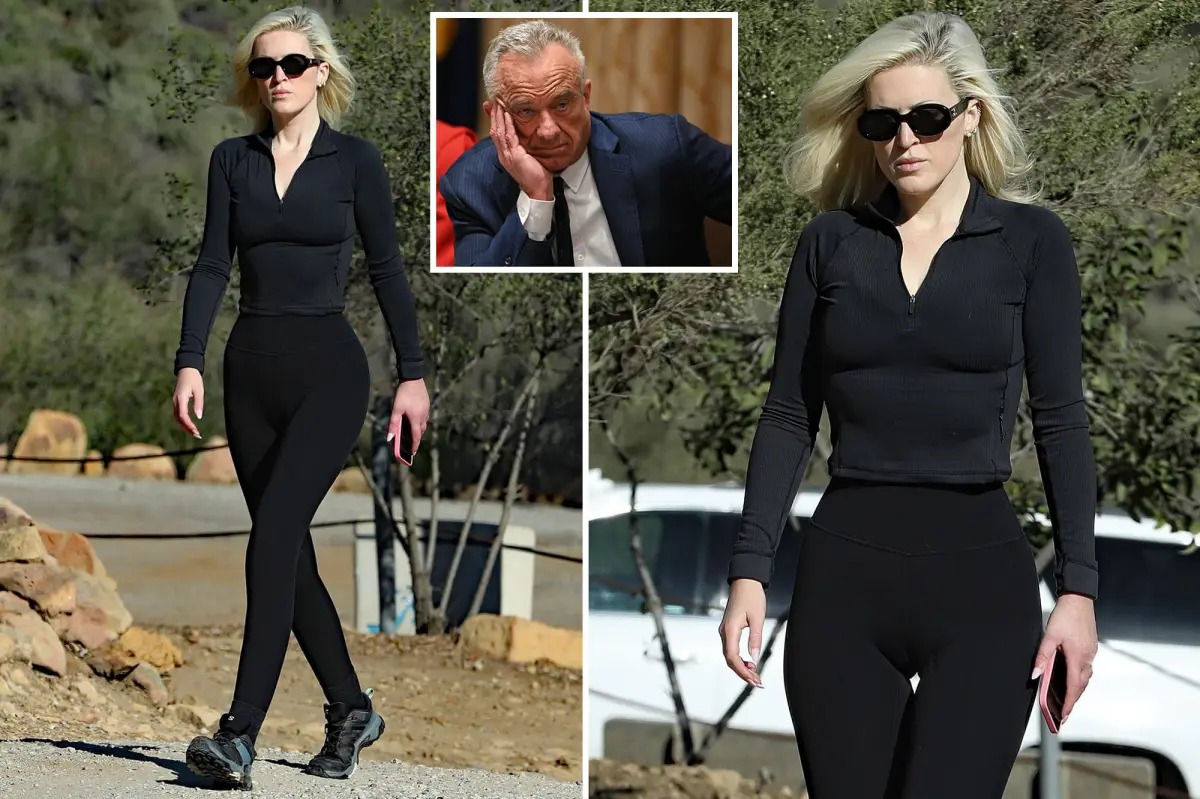
In an ironic twist that highlights the complicated relationship between public figures and media scrutiny, former New York magazine reporter Olivia Nuzzi was photographed hiking in Los Angeles on Tuesday—the same day she published criticisms of paparazzi for invading her privacy. The 32-year-old journalist, dressed in form-fitting black activewear, appeared to participate in a photoshoot during her hike, creating a striking contrast with her written complaints about privacy violations. In her piece for the business newsletter Feed Me, Nuzzi had reflected on the challenges of her book launch, quoting a paparazzo who ominously told her, “This never ends”—a sentiment that takes on new meaning given her apparent willingness to be photographed later that same day. This contradiction comes at a pivotal moment in Nuzzi’s career as she navigates the fallout from a scandal that dramatically altered her professional trajectory and public perception.
Nuzzi’s newly released memoir, “American Canto,” has become a lightning rod for criticism, with reviewers disparaging it as “aggressively awful” and criticizing both its literary style and content. Many readers expressed disappointment that the book didn’t provide more details about her controversial relationship with Robert F. Kennedy Jr., which ultimately led to her departure from New York magazine. The memoir, which some critics argue unsuccessfully attempts to channel the voice of celebrated essayist Joan Didion, chronicles Nuzzi’s digital relationship with the 71-year-old Kennedy (whom she refers to only as “the politician”) following an article she wrote about him during his 2024 presidential campaign. Despite the sensational nature of the affair, Nuzzi maintains that the relationship was never physically consummated, though this assertion has been challenged by her former fiancé, creating a public he-said-she-said that has captivated media observers and political insiders alike.
The unfolding drama took on new dimensions when Nuzzi’s ex-fiancé, political journalist Ryan Lizza, began publishing his version of events through his Substack newsletter. Lizza’s accounts paint a more damaging picture of the situation, suggesting that Nuzzi crossed ethical lines by becoming a “political operative” for Kennedy during their relationship. He has made several explosive claims, including allegations that Nuzzi had planned to “consummate” her relationship with Kennedy and that she previously had an affair with former South Carolina Governor Mark Sanford. These revelations have not only created personal turmoil but have raised serious questions about journalistic ethics and the boundaries between reporters and their subjects—questions that strike at the heart of media credibility at a time when trust in journalism continues to erode.
Nuzzi has forcefully pushed back against Lizza’s characterizations, describing his published accounts as “obsessive and violating fan fiction-slash-revenge porn” that would fail to meet the editorial standards of any reputable publication. This bitter public exchange between two formerly engaged political journalists has transformed what might have remained a private breakup into a media spectacle that touches on issues of professional ethics, privacy, and the blurring lines between personal and professional lives in the digital age. The saga illustrates how quickly a respected journalist’s reputation can unravel and how personal relationships can become inextricably entangled with professional considerations, particularly in the high-stakes world of political reporting where access and credibility are paramount.
The controversy has had tangible professional consequences for Nuzzi, who lost her position at New York magazine when news of the scandal first broke. Though she has since secured employment with Condé Nast’s Vanity Fair, reports suggest that even this opportunity may be in jeopardy as the publisher reviews her hiring in light of Lizza’s allegations. The ongoing uncertainty surrounding Nuzzi’s career highlights the precarious nature of media employment in an era of intense public scrutiny and social media amplification, where personal indiscretions or ethical lapses can rapidly escalate from private matters to public controversies with lasting professional implications. For Nuzzi, a journalist once considered a rising star in political reporting, the scandal has transformed her from observer to subject, from questioner to questioned.
As this story continues to develop, it serves as a cautionary tale about the complex intersection of personal choices, professional ethics, and public persona in contemporary journalism. Nuzzi’s experience demonstrates how quickly the tables can turn, placing a journalist under the same microscope they typically direct at others. The apparent contradiction between her criticism of paparazzi invasion and her participation in a photoshoot the same day further complicates the narrative, suggesting the challenging navigation of public attention that is simultaneously desired and resented. Whether Nuzzi can rebuild her credibility and continue her career in political journalism remains to be seen, but her story illustrates the increasingly blurred boundaries between personal and professional lives in an age where privacy seems increasingly elusive, even for those who once made their living reporting on the private lives of others.