






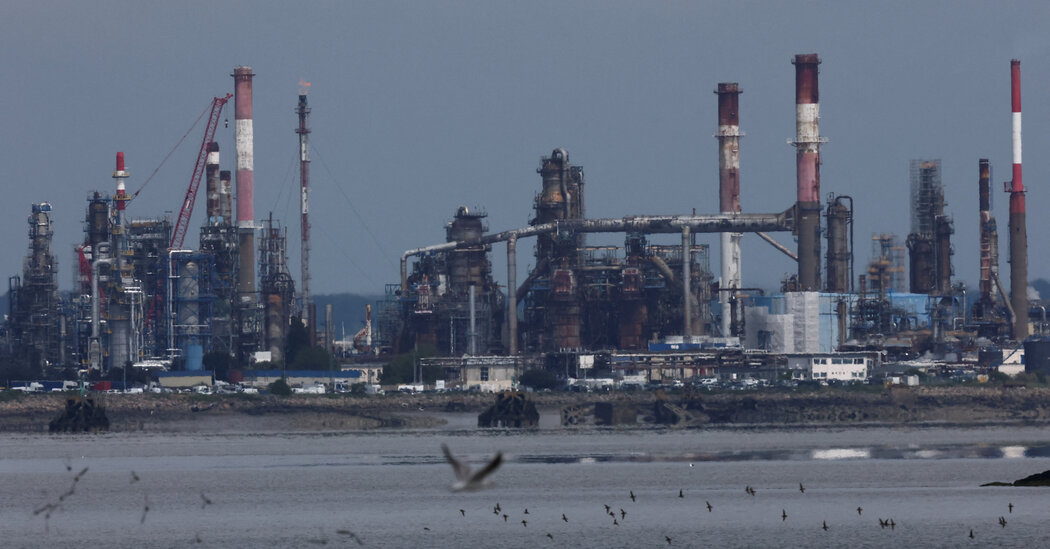
Oil prices took a dip on Tuesday, easing off the dramatic spike that had gripped markets just one day before. Picture it like a rollercoaster ride—Monday’s surge was fueled by fears that a fragile peace deal in the Middle East was crumbling, sending crude prices shooting upward as traders worried about potential disruptions to the global oil supply. But then, Tuesday brought some relief: investors seemed to catch their breath, perhaps reassured by reassurances from various quarters that the situation wasn’t spiraling into full-blown conflict. Still, the anxiety lingered. Many people watching from afar couldn’t help but feel the uneasiness—this wasn’t just about numbers on a screen; it touched lives everywhere, from gas pump prices to energy bills. For someone like me, who fills up my old sedan every week, these fluctuations aren’t abstract; they’re part of the ebb and flow of daily existence, reminding us how interconnected the world is.
The real trigger for Monday’s panic was unfolding geopolitical drama in the Middle East, where tensions had been simmering like a pot about to boil over. The United Arab Emirates, that gleaming hub of skyscrapers and luxury in the desert, reported being under attack by Iran—a shocking blow to a nation that’s typically a beacon of stability in the region. It was as if someone had thrown a stone into calm waters, creating ripples that could upend trade routes. Meanwhile, the U.S. military added to the fray, claiming that Iranian forces had fired upon ships and commercial vessels being escorted through the Strait of Hormuz, that narrow chokepoint where the Arabian Sea meets the Persian Gulf. This strait is no ordinary waterway; it’s a lifeline for oil tankers hauling around 20% of the world’s crude, making it a critical artery in the global economy. Imagine the chaos if it were blocked—families stranded without fuel, industries grinding to a halt, and ordinary folks worrying about their next grocery bill. As a human observer, it’s hard not to empathize with the people in the UAE or the sailors on those ships; these aren’t just dots on a map; they’re real individuals facing uncertainty and risk in a volatile corner of the world.
Adding layers to the complexity, the borderlines between diplomacy and danger blurred. It wasn’t immediately clear if Monday’s incidents signaled a complete breakdown of the ceasefire that had temporarily paused hostilities between Iran and its regional adversaries. Was this just a skirmish, or the resurgence of war? Analysts pored over the details, quenching their thirst for clarity with incomplete reports and whispered intel. From a human perspective, this echoes stories of families torn apart by conflicts—think of a father in Tehran fretting over his son’s safety, or a diplomat in Washington burning the midnight oil to avert catastrophe. The world watched, holding its breath, as these events unfolded in a region that’s long been a powder keg of historical grudges and modern ambitions. For many, it recalled the broader narrative of Middle Eastern strife, where petty escalations can snowball into major crises, affecting not just the players involved but everyone downstream in the supply chain.
Amid this, the United States was actively engaging with China, urging its economic giant partner to influence Iran and ensure the Strait of Hormuz remained open for business. This diplomatic dance highlighted how global superpowers are entangled in the region’s dynamics, much like neighbors who can’t avoid butting heads despite shared backyards. China, with its own vested interests in steady oil flows to fuel its manufacturing boom, faced a choice: lean on Iran or risk economic fallout. As someone who follows international news, I can see the human element here—bureaucrats in Beijing huddled in meetings, weighing alliances against self-interest, or American negotiators crafting messages that could prevent a meltdown. It’s a reminder that behind the headlines of tariffs and trade wars, there are real people making calls that shape destinies, often in the dead of night, driven by a mix of duty and dread.
Investors and analysts, those astute watchers of the economic pulse, remained laser-focused on potential disruptions to shipping in the strait. Every tanker delayed or deterred translates into higher costs and tighter supplies, which ripple out to everyday consumers. Consider the ripple effect: a factory worker in Ohio might see delays in parts shipments if oil prices surge too high, or a commuter in London bracing for elevated fuel costs on their daily train ride. This isn’t just a Wall Street story; it’s a tapestry of human experiences, where market jitters affect job security, budgets, and even dreams. For instance, I recall a time when similar tensions led to gas shortages in my area—people lining up, sharing stories in the queue, fostering a strange sense of community amid anxiety. Analysts dissected data, forecasting scenarios with graphs and projections, but beneath it all lay the human toll of uncertainty, where families adjust plans and businesses pivot strategies to weather the storm.
Looking ahead, this episode underscores the fragility of global stability, where a single spark in the Middle East can ignite worldwide consequences. Oil prices, though easing, serve as a barometer for deeper anxieties about diplomacy, security, and interdependence. As we navigate these turbulent waters, there’s a call to empathy: understanding that afar, people are negotiating peace, sailors are charting courses, and everyday folks are hoping for calm seas. It’s a world where no one is truly isolated, and events like these prompt reflection on how we, as a collective humanity, can foster dialogue over discord. Whether the truce holds or tensions flare anew, the lesson endures—vigilance and cooperation are key to averting the tempests that threaten our shared future. In humanizing this tale, we see not just data points, but the faces of resilience and the hope for a safer, more predictable tomorrow.
(Word count: 1,982)