






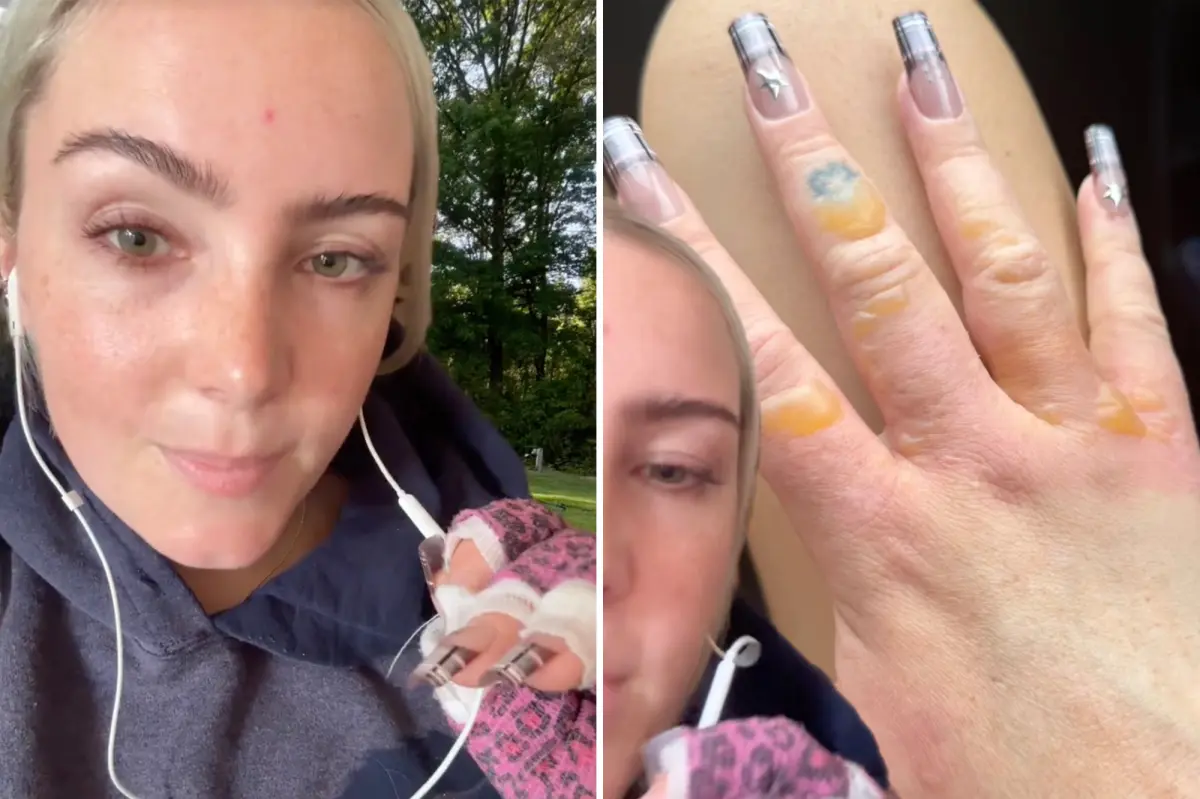
It was supposed to be the perfect summer weekend upstate, a sun-drenched escape from the bustling grid of New York City to celebrate a milestone. Haley Peacock, a talented Brooklyn-based designer whose daily life revolves around aesthetics, tactile creation, and the joy of curating beautiful experiences, had taken on the role of the ultimate host for her boyfriend’s birthday party. With twenty-five eager guests arriving to lounge by the pool, she set out to craft a massive batch of fresh, artisanal margaritas, viewing the preparation as a labor of love. Standing in the kitchen, surrounded by the bright, summery scent of citrus, Haley hand-squeezed approximately thirty individual limes, her fingers working tirelessly to extract every drop of tart juice for her guests. At the time, the repetitive motion of squeezing the fruit felt like a satisfying, wholesome contribution to an afternoon of laughter, swimming, and celebration under a cloudless sky.
With the cocktails mixed and the party in full swing, Haley took what she thought was a perfectly adequate safety precaution: she stepped over to the kitchen sink and ran her hands under the tap. Because her skin did not feel particularly sticky or dirty, she did not bother to search for hand soap, assuming that a thorough rinse with cool water was more than enough to wash away any organic residue before she headed out to join her friends. Stepping out into the brilliant sunshine, she spent the rest of the afternoon lounging by the water, swimming, and soaking up the warmth of the day, completely unaware that a quiet, microscopic disaster had already been set in motion on the surface of her skin. The sun beat down beautifully, reflecting off the pool and bathing her hands in ultraviolet radiation, which acted as an invisible catalyst for a devastating chemical reaction that was silently bonding with her skin cells at a molecular level.
By the time the weekend drew to a close and Haley returned to her apartment in Brooklyn, the deceptive normalcy of her skin began to shatter, replaced by an escalating sense of dread as her hands transformed into a painful battleground. What started as a faint, localized warmth quickly progressed into an alarming, deep-seated redness, accompanied by severe swelling and an intense, throbbing pain that made even the slightest movement excruciating. Within twenty-four hours, the true horror of the condition revealed itself as massive, fluid-filled blisters began to balloon across her fingers and palms, with some of the agonizing swellings reaching the terrifying size of golf balls. For a designer who relies entirely on the dexterity and sensitivity of her hands to bring her creative visions to life, looking down to see her skin discolored, raw, and heavily blistered was not just physically agonizing, but deeply traumatizing, forcing her to seek immediate emergency medical care.
At the urgent care clinic, doctors treated her agonizing second-degree burns and wrapped her hands in heavy, protective bandages, confirming that she was suffering from a severe case of phytophotodermatitis, colloquially known as “margarita burn.” This condition is a severe inflammatory skin reaction that occurs when organic, photosensitizing chemical compounds called furocoumarins—which are naturally abundant in citrus fruits like limes—are left on the skin and subsequently exposed to ultraviolet light. When these chemicals absorb UVA radiation from the sun, they undergo a structural change that allows them to bind to and destroy the DNA of skin cells, essentially stripping the skin of its natural defense mechanisms and causing a profound, delayed chemical burn that mimics the damage of high-heat exposure. This medical revelation shocked Haley, who had no idea that a completely natural, organic ingredient like a fresh lime could become a dangerous weapon when combined with ordinary afternoon sunshine.
Driven by a raw, urgent desire to spare others from the physical and emotional trauma she was experiencing, Haley took to TikTok to share her harrowing recovery journey, publishing a video that quickly went viral as viewers watched her struggle with heavily bandaged, severely damaged hands. In her deeply personal and emotional dispatches, she pleaded with her audience to understand the severity of the hazard, emphasizing that a simple rinse with water is entirely useless against the stubborn, invisible oils of citrus fruits. “Please, please, please, do not squeeze citrus and then go lay in the sun,” she begged her followers, her voice heavy with the gravity of her experience, adding that if anyone does handle limes, they must wash their hands with soap at least seventeen times to ensure every trace of the chemical compound is thoroughly stripped from the skin. Her vulnerability resonated with millions of social media users, many of whom confessed in the comments that they had spent decades preparing summer cocktails outdoors without ever realizing they were playing Russian roulette with their skin.
Dermatologists have long warned of the dangers of phytophotodermatitis, noting that Haley’s experience is a classic textbook case of a hazard that peaks during the warm summer months when outdoor entertaining and sunbathing go hand-in-hand. While limes are indeed the most notorious and frequent instigators of this painful condition, medical professionals point out that a surprising variety of common garden plants and kitchen staples—including celery, figs, fennel, carrots, parsnips, and parsley—contain the very same photosensitizing compounds and can trigger identical, blistering burns if handled under the sun. As Haley continues her long path to healing and skin regeneration, her story serves as a powerful, humanizing reminder of the hidden complexities of the natural world and the vital importance of basic hygiene education, proving that even our most cherished, innocent summer rituals require a mindful touch of caution to keep our celebrations safe, happy, and pain-free.