


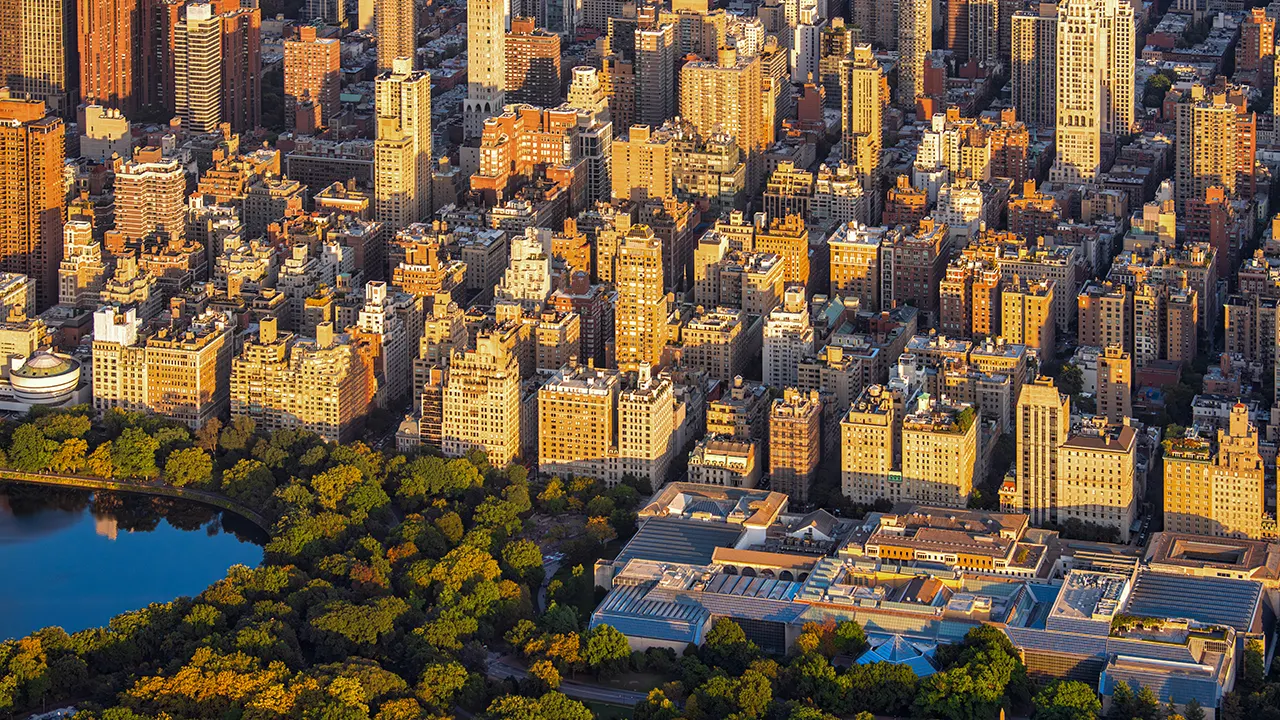
An uneasy focus has shifted to Manhattan’s affluent Upper East Side as local health officials confront a rapidly expanding outbreak of Legionnaires’ disease. Originally detected as a small cluster of just two confirmed cases, the number of infected individuals has jumped to fourteen, prompting city epidemiologists and water ecologists to work around the clock. The current investigation centers on three specific ZIP codes—10028, 10128, and 10075—which encompass busy neighborhoods like Yorkville and Carnegie Hill. Because at least one patient either lives, works, or recently traveled through the 10075 area, authorities are casting a wide net to identify anyone who might have been exposed to the bacteria. In a bid to prevent further spread, officials are urging anyone who spent time along the eastern edge of Central Park, specifically between East 76th and East 97th Streets, to remain highly vigilant.
Legionnaires’ disease is a severe and potentially life-threatening form of pneumonia caused by Legionella bacteria, which thrive in warm, stagnant water systems. Unlike common respiratory illnesses that spread through person-to-person contact, this disease is contracted when people inhale microscopic, contaminated water droplets suspended in the air. For vulnerable individuals, such as the elderly, smokers, or those with compromised immune systems, the infection can escalate rapidly and prove fatal if not treated promptly with antibiotics. Because the early indicators of the disease closely mimic a standard flu—presenting as high fevers, persistent coughs, body chills, and deep muscle aches—health officials are stressing the critical importance of seeking immediate medical evaluation if any of these symptoms arise.
At the heart of the city’s urgent investigation are massive rooftop cooling towers, which are common components of large commercial and residential building ventilation systems. These towers use water to cool buildings and can release a fine, invisible mist into the surrounding air; if a tower’s water treatment system fails, it can become a breeding ground for Legionella and disperse the bacteria over several city blocks. The New York City Health Department has mobilized teams to test every single cooling tower within the affected ZIP codes to pinpoint the exact source of the outbreak. While no specific tower has been singled out as the culprit yet, this systematic testing remains the primary focus of the city’s environmental containment strategy.
In a public statement, NYC Health Commissioner Dr. Alister F. Martin commended the dedication of the city’s public health workforce, noting that many staff members sacrificed their holiday plans to track the outbreak and keep residents safe. Dr. Martin emphasized that detecting the cluster when there were only two cases allowed the city to react swiftly, though he acknowledged that significant work remains as they analyze laboratory results and monitor for new cases. This rapid response underscores a lessons-learned approach from previous urban outbreaks, where delayed action often resulted in much larger, more difficult-to-control infection spikes across densely populated neighborhoods.
To prevent unnecessary panic, newly elected New York City Mayor Zohran Mamdani reassured residents that the outbreak is entirely independent of residential plumbing systems and individual indoor air conditioning units. Families living in the affected Upper East Side neighborhoods can continue to safely drink tap water, bathe, shower, cook, and run their home AC units without fear of exposure. The goal is to keep daily life as normal as possible for residents while health inspectors focus their efforts on the massive external industrial systems that process water on a much larger scale. Mayor Mamdani reiterated on social media that anyone who has spent time in the designated areas since late June and feels unwell should contact a healthcare provider immediately.
This current situation brings back uneasy memories for New Yorkers, who witnessed a devastating Legionnaires’ outbreak in Central Harlem just last summer that resulted in over 100 confirmed illnesses. The memory of that outbreak serves as a stark reminder of how quickly Legionella can spread through a dense urban landscape if left unchecked. As the city health department continues to collect water samples and monitor local emergency rooms for incoming respiratory patients, residents are being asked to stay informed, look out for their neighbors, and cooperate with public health guidelines to help bring this localized crisis to a swift end.