


Paragraph 1: The Dawn of Devastation in the Himalayas
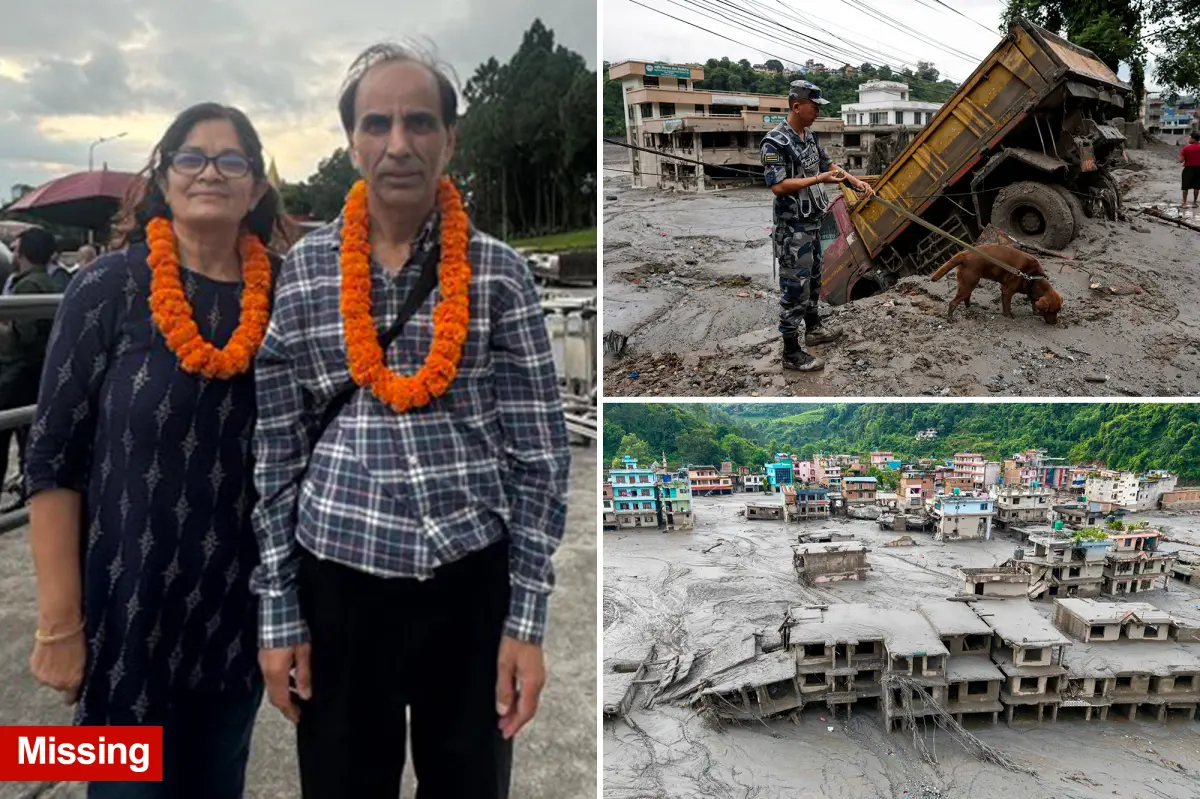
For centuries, the towering, snow-capped peaks of the Himalayas have been a place of spiritual transcendence, offering a serene path to the heavens for thousands of pilgrims and adventurers. But in the span of a few harrowing minutes last Wednesday, that legacy of divine sanctuary was violently traded for a landscape of utter ruin, as a wall of catastrophic flash floods, driven by a climate-triggered glacial collapse, barreled down the steep slopes of Nepal’s Rasuwa district. The ferocity of the event has left a stunned nation reckoning with a staggering humanitarian toll: at least 270 people are now confirmed dead, with an additional 826 counting as missing, torn away by the unrelenting torrents that swept through valleys, obliterated villages, and shredded vital infrastructure. In the heart of this sprawling statistic of grief, a deeply personal and agonizing story is emerging—that of Dr. Radhika Sharma, a New York gastroenterologist whose family has been fractured by the overwhelming unstoppable power of nature. Her words, heavy with raw panic and the clinging grasp of hope, are not just pleas for her specific parents but serve as the human synecdoche, representing the terror of hundreds of families hovering for hours, waiting for the return of the ones they love across the devastating borders of the earth.
Paragraph 2: The Pilgrimage of Faith – The couple’s decision to undertake the pilgrimage to Mount Kailash, the sacred earthly abode of him in Hindu and Buddhist traditions, was one steeped in deep devoutness. Radhika’s father, Ramesh, at 65 years old, and her mother, Neelam, 64, were experienced travelers with cautious spirit, leaving clear daily checkpoints. Their last confirmed contact with their daughter was through a text message sent just after 8:00 a.m. Wednesday, while they were crossing the border between Nepal and China, a natural gateway that would lead them directly to the black north wall of their long-coveted pilgrimage. That single digital reassurance—normally a mundane dot point in a day—has become the silent tombstone between their past and their present. Just forty minutes later, at around 8:40 a.m., the monstrous glacial collapse released its fury, transforming their idyllic route into a treacherous trap of swirling mud, ferocious currents, and displaced rock. In the subsequent tense hours, with her world upended by silence, Radhika revealed the soul-crushing void that has taken over her life, telling NBC, “It’s been probably over 24 hours, and probably been the worst 24 hours of my life, my brother’s life. We’re just waiting to hear from any source, any information, honestly.” Every passing minute hollows out the youthful bubble of certainty, leaving only a spindly thread in its place.
Paragraph 3: A Doctor’s War on an Empty Doubt – Radhika’s professional pedigree is by no means exceptional in her staggering techniques; she’s a trained healer, a woman of resilience who left the Bronx High School of Science in 2012 to pursue a Bachelor of Science in Biology at Stony Brook University, ultimately sealing her medical doctorate at Lake Erie College of Osteopathic Medicine, and sustaining an advanced fellowship in gastroenterology at the University of Florida College of Medicine in Jacksonville. Wrapping behind stethoscopes, carrying sacrifices were advanced, but in the stillness of her living room in upstate New York, wearing ‘normal’ clothes, she finds herself conferring to a data set she fails to conquer: the whereabouts of two people she loves. Standing as a beacon of hope, she recounted the crushing irony of her professional life—witness match as innovation saves others, confirms irreversible strikes her own vulnerability. To harness the global network that surrounds her, she took to fitting platforms, amplifying her wavelength especially on X. With a desperate plea, she posted: “If you have any direct contacts in Nepal, Gyirong/Tibet, local hospitals, rescue operations, government/local media, anyone on the ground – PLEASE DM/contact me immediately.” The virtual space became her lost field gun, a bright hemorrhage of digital inertia, feverishly asking everyone to help in her direction. She sits with a zeroed-out phone, closing her eyes again, but the digital lights never affirm her initial hope.
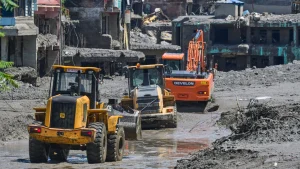
Paragraph 4: The Fury Beneath the Summit – The horrifying loss stems not from the rainfall alone, the immediate trigger of a glacier’s disintegration which turned a serene landscape into a spatial continuum of watery violence. A chunk of ice freed itself from the long-term grip of a high-alpine glacier at a height of roughly 17,000 feet, swooning into a valley floor and upon impact, gathering debris progressively in its accelerating descent. This accelerating mass struck the channel of the Lhende River, located merely a few miles from the border they had just followed. The grotesque debris initially dammed the river almost completely, creating a scumming blockage before the nature of the dam gave storm-owing to a catastrophic breach, sending a ferocious landlord to consume over 25 miles of roads with a ruthless predictability. Nineteen bridges flopped into the ravine. The river’s stage danced through 27 feet in merely half an hour—an incomprehensible rise that swallowed villages in slumber and encased tens of homes and every possession within. Survivors, in cruel alternatives, mounted. The images are harrowing of those still in the air, clinging bravely to the fragile fronds of hanging mango trees, watching their entire world the world they had know disappear under the relentless tide. The sheer graphic brutalize tests modern statistical models; the U.N. estimates that roughly ten thousand homes are now in desperate need of immediate relief, forcing a brutal scrutiny of how humanity braces for the ultimate onslaught of nature.
Paragraph 5: A Global Mosaic of Loss – The insignificance of misfortune inherently creates a common shared trauma across distant borders. As RsgNepal’s foreign minister Shishir Khanal addressed parliament, the government confirmed that the tragic numbers above the critical zone belong to not just the locals but also to a shadowed roster of tourists and international travelers—644 of whom remain listed as unaccounted for. The US stands alarmingly affected, with 65 of its citizens now missing, among them Radhika’s beloved parents. India has inherited the mantle of 178 traumatized families, searching for their loved ones amid the chaos. What began as a local weather emergency has transformed into an intricate global crisis with victims, hailing from over 30 countries, each awaiting a phone call that might rectify their catastrophic void. The compounding search for these missing individuals—descending from different languages and cultures—shows that in the realm of tragedy, the unsurpassed resounding emotion of a missing parent is the ultimate unifying thread, tightening the awareness that geography cannot protect our fragile presence from the swirling forces of earth. This universal grief is the only common ground amid the wreckage.
Paragraph 6: A Brave Response Conquering the Shadow of Waiting – In the wake of the ghastly emergency, the international community has laid down a scaffolding of assistance, laboriously trying to patch the rifts in the affected regions, even as the physical toll is relentless. The United States, mid-conflict, has extended a swift and substantial hand by deploying a disaster response advisor, and committing a generous $500,000 in disbursement, focused on providing cohabitation shelter, vital supplies, and water sanitation amid the affected communities, sparking strong diplomacy. Nepal’s southern neighbor, India, has stepped up empty-handed, having already delivered an unmatched airlift of 22,046 pounds of relief, including tents, hygiene kits, and solar lamps, while the International Federation of Red Cross and Red Crescent Societies has funneled $1.24 million into local response. The European Commission, through its President, Ursula Von der Leyen, has provocatively muscle, pledging to be ready to mobilize further European assistance. Yet, amidst the flurry of helicopters drones dropping pals and bodies searching, there are no drones that can stitch back a child’s unseen call. Radhika’s waiting, her phone still cold and marooned on the kitchen counter, leaving the truth stark—the greatest refugee is not the geometry of their mountain, but the held breath of her world. Perhaps the appeals, the thousands of messages of solidarity, the hours of hope, will somehow be the human force that breaches the gap, revealing her parents alive, a testament to the unshatterable human resilience that persists even when the terrain itself rebels.