






To understand the current political drama unfolding in Los Angeles, one must first understand the city itself—a sprawling, sundrenched metropolis of nearly four million people, defined as much by its glittering cinematic dreams as by its stark, everyday struggles with homelessness, climate change, and economic inequality. Five days after the primary election polls officially closed, the city remains suspended in a state of quiet anticipation, waiting to see who will ultimately challenge the incumbent mayor, Karen Bass, in the decisive November runoff. The democratic process in California is famously deliberate, a slow-rolling wave rather than a sudden thunderclap, with election officials meticulously counting hundreds of thousands of mail-in ballots. Currently, with the Associated Press estimating that about 80 percent of the total votes have been tallied, no official runner-up has been declared. However, a significant shift occurred over the weekend as late-arriving ballots—historically favoring more liberal and progressive candidates—began to be processed. This late surge has dramatically reshaped the narrative of the race, propelling progressive city council member Nithya Raman into second place and nudging her ahead of her polar opposite, reality television star turned conservative populist Spencer Pratt. For the residents of Los Angeles, this electoral shifts is not merely a matter of shifting numbers on a scoreboard; it is a mirrors reflecting their deeply divided anxieties, hopes, and differing visions for the future of their shared home.
At the center of this political storm stands Mayor Karen Bass, a 72-year-old titan of the local center-left political establishment, who secured her place in the November runoff with a comfortable 34.7 percent of the vote. As a former Democratic congresswoman and a veteran community organizer, Bass embodies a sense of steady, institutional governance in a city that has been battered by overlapping crises, from a persistent housing shortage to public worries about crime and economic inflation. Her supporters see her as a compassionate pragmatist who understands the levers of federal and local power, a leader capable of bringing coalitions together to solve the city’s most stubborn issues. Yet, running a city as complex as Los Angeles is a grueling endeavor, and despite her strong performance, the initial voting results show that a majority of Angelenos are eager for alternative approaches, splitting their support between the progressive left and the conservative right. Bass’s challenge in the coming months will be to convince a weary and skeptical electorate that her administration’s moderate, collaborative path is indeed the most effective route to recovery, even as she finds herself caught in the crossfire between those who believe her policies are too radical and those who argue they do not go nearly far enough.
Representing the conservative backlash to the city’s current trajectory is Spencer Pratt, the 42-year-old former reality television personality who has spent the campaign channeling the raw, visceral frustration of the city’s more affluent and conservative enclaves. A resident of the exclusive Pacific Palisades neighborhood, Pratt’s political awakening was deeply personal; he lost his own home to one of the devastating wildfires that have increasingly ravaged the Southern California landscape. Rather than retreat from the public eye, Pratt used his personal tragedy to connect with neighbors who felt abandoned by city hall, turning their shared grief and anger into a potent political weapon. For much of the week following the election, Pratt held onto a narrow second-place lead, offering a message focused heavily on law and order, fiscal conservatism, and a demand for swift, decisive action to clear the city’s visible street encampments. However, as the weekend drew to a close, his share of the vote slipped to 26.7 percent, dropping him to third place as the late-counted mail-in ballots favored his progressive rival. Pratt’s campaign, which captured the disillusionment of many residents who feel the city has lost its way, now faces the harsh reality of a dwindling path to the runoff, highlighting the limits of conservative populism in a deeply blue metropolitan area.
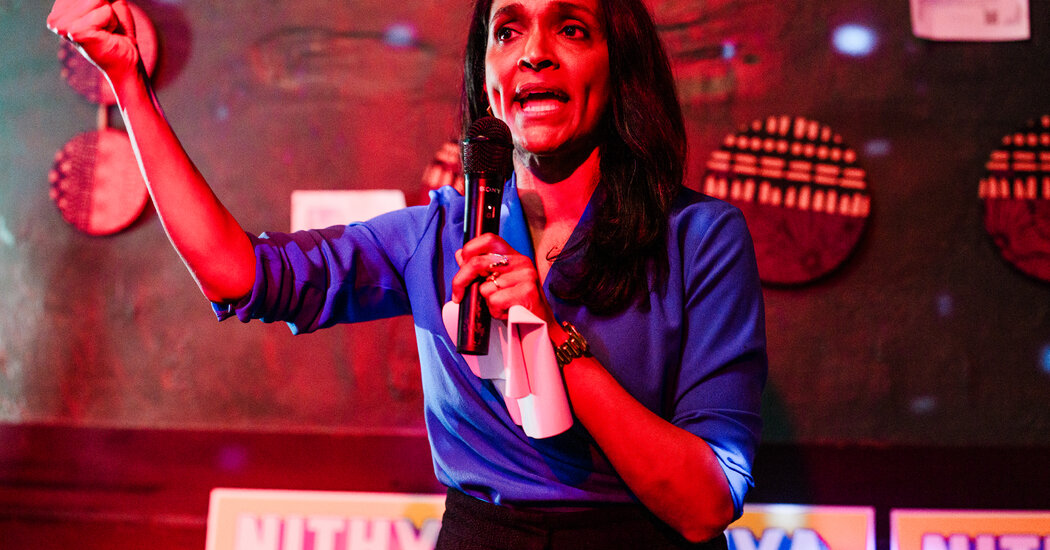
In contrast, Nithya Raman’s steady ascent in the polls represents a powerful affirmation of the city’s vibrant, youth-led progressive movement, which has sought to fundamentally redefine how Los Angeles handles its most pressing societal challenges. Raman, a 44-year-old urban planner and relative newcomer to local government, has captured 27.1 percent of the vote, putting her just over 3,000 votes ahead of Pratt. Her campaign has been fueled by a grassroots army of renters, students, and progressive activists who view housing as a human right and advocate for systemic reforms to the criminal justice system. Humanizing her campaign is her message of empathy and systemic change; she argues that the city’s systemic crises cannot be solved by simply sweeping them out of sight, but by investing in permanent housing, mental health resources, and community safety programs that do not rely solely on traditional policing. Upon learning of her surge in the polls, Raman expressed profound gratitude to the thousands of everyday Angelenos who spent their weekends knocking on doors and registering voters, framing the victory as a testament to the power of community-driven organizing. Her rise signals that, despite the prevailing voter fatigue, there remains a passionate and resilient segment of the population that is eager for bold, progressive experimentation.
The agonizingly slow nature of the vote count in Los Angeles is a direct result of California’s expansive mail-in voting laws, designed to maximize voter participation but often resulting in prolonged periods of public uncertainty. In a system where any ballot postmarked by Election Day is accepted up to several days later, the final makeup of the electorate can shift significantly over time, turning early election night victories into heartbreaking defeats as more representative samples of the public are counted. This delay has also bred political tension, exposing the fragile trust that exists within the modern electorate. Following the latest update, Spencer Pratt took to social media to cast doubt on the legitimacy of the late-surging progressive votes, suggesting without any supporting evidence that there may have been fraudulent practices involving unhoused voters. This reaction, while decried by election officials as baseless, highlights the deep partisan skepticism that has seeped into local politics, showing how the city’s struggle with homelessness has been politicized not just in terms of policy, but in terms of the very franchise of voting itself. Meanwhile, election workers continue their quiet, vital labor, verifying signatures and feeding paper ballots into scanners, ensuring that every voice—housed or unhoused—is counted.
As the dust begins to settle, the potential matchup between Karen Bass and Nithya Raman promises to be a fascinating, high-stakes debate over the ideological identity of Los Angeles. Already, the opening salvos of this potential November battle are being fired, with Bass’s campaign spokesman, Alex Stack, outlining the strategic contrast they intend to highlight. Stack wasted no time in painting Raman as ideological and out of touch, attacking her for policies that allow homeless encampments near public schools and questioning her commitment to expanding the city’s police force, while simultaneously accusing her of failing to actively protect local entertainment industry jobs or stand up effectively against federal immigration enforcement actions. This line of critique showcases the delicate balancing act Bass must perform, appealing to centrist and business-minded voters while attempting to maintain her progressive credentials. For the voters of Los Angeles, the coming months will offer a clear and compelling choice between the pragmatic, established leadership of Bass and the transformative, grassroots vision of Raman, a decision that will not only shape the physical landscape of their city but will also send a powerful message about the path forward for progressive urban politics across the nation.