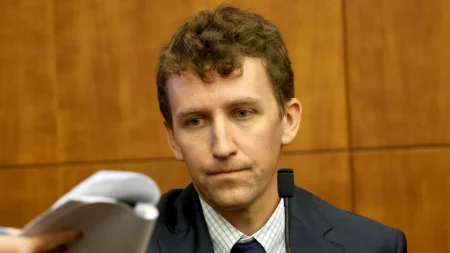






Imagine returning from a peaceful family vacation abroad only to discover that the machinery of federal law enforcement has been mobilized against you, all because of an angry email. This is the chilling reality for David Streever, a U.S. citizen and resident of Rochester, New York. Streever is currently suing the Department of Homeland Security (DHS) and Immigration and Customs Enforcement (ICE) in a Washington, D.C. federal court. Represented by the Foundation for Individual Rights and Expression (FIRE), Streever alleges that federal authorities flagrantly violated his First Amendment rights. His offense? Sending a scathing, emotionally charged email criticizing the agency’s leadership after a tragic immigration raid. The lawsuit argues that the government’s heavy-handed response was not a legitimate security measure, but rather a calculated campaign of intimidation designed to silence public dissent.
The catalyst for Streever’s outrage occurred earlier this year when an ICE agent shot and killed a U.S. citizen, Renee Nicole Good, during an immigration raid in Minneapolis. Deeply disturbed by the incident and the agency’s subsequent handling of it, Streever felt compelled to act. In January, he sent an email to Todd Lyons, the acting director of ICE at the time. In the email, Streever pulled no punches, calling Lyons a “monstrous human being” and comparing him to Reinhard Heydrich, a notorious Nazi leader. He wrote that Lyons would “never know peace” and warned that he would spend his final days tormented by the shame of his actions. While the language was undeniably harsh and dramatic, Streever’s legal team emphasizes that it contained no threats of physical violence, remaining entirely within the realm of highly protected, albeit vitriolic, political speech.
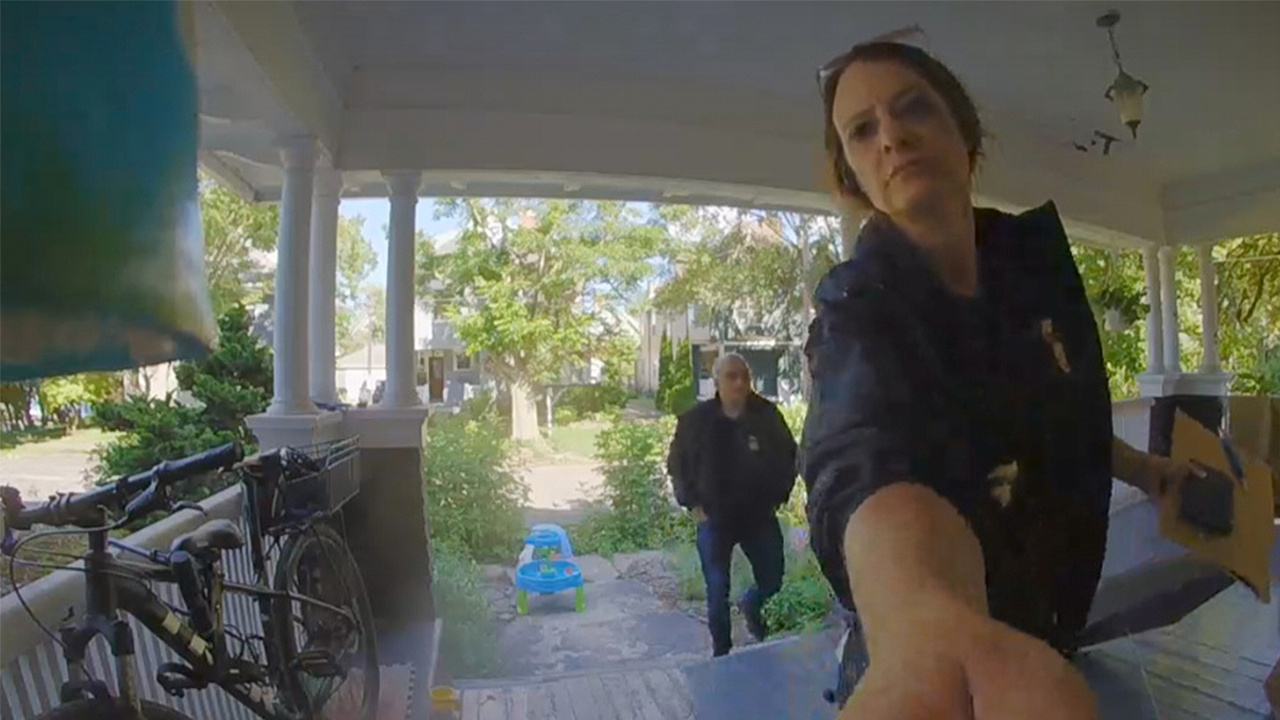
Despite the absence of any actionable threat, the federal response was intense and highly disruptive. Last month, while Streever was on a trip to Finland with his seven-year-old daughter, two federal officers arrived at his Rochester home and handed his wife a formal “warning notice.” This document asserted that Streever’s months-old email might violate federal law and urged him to immediately “discontinue” his behavior, warning that the notice would be kept on file and factored into future criminal investigations. Not content to wait for his return, federal agents tracked Streever to a New York City hotel upon his arrival back in the United States, attempting to confront him in the middle of the night before being turned away by hotel staff. The agents also placed repeated, ominous phone calls to his cell phone. The ordeal took a heavy emotional toll on Streever’s young daughter, who burst into tears on their train ride home, terrified that federal officers were coming to arrest her father.
Streever’s attorney, Adam Steinbaugh, points out a glaring logical gap in the government’s claim that the email posed a genuine security risk. Steinbaugh noted that if authorities truly believed a government official was in imminent danger, they would not have waited five long months to take action. The significant delay, followed by aggressive tracking tactics, suggests that the primary objective was to scare a private citizen into silence. Streever himself expressed profound shock that expressing his political outrage could trigger such a aggressive response. He emphasized that he spoke out because he cherished the American right to criticize the government and hoped his lawsuit would prevent other citizens from being bullied into silence for voicing peaceful, albeit passionate, dissent.
The government, however, strongly denies any wrongdoing. The lawsuit names Homeland Security Secretary Alejandro Mayorkas, whose office vehemently rejected any claims of censorship, stating that any allegations of DHS attempting to squash free speech are categorically false. Meanwhile, ICE and DHS spokespersons have defended their investigations into public communications, asserting they only intervene when activities cross the line into illegal behavior or targeted harassment. The complaint filed by Streever’s legal counsel asks the court to step in immediately, requesting a formal order to halt what they describe as “coercion and retaliation” by DHS and ICE against individuals exercising their constitutionally protected right to speak.
Alarmingly, Streever’s experience does not appear to be an isolated incident of overreach. That very same week, Paigelynne Gonyea, a poll worker from Syracuse, New York, was confronted by federal officers at a voting site during the state’s primary elections. Officers questioned her about a social media post she made regarding Jonathan Ross, the ICE agent involved in the fatal Minnesota shooting. While Gonyea believed she was being targeted simply for publicly calling for Ross’s indictment, a DHS spokesperson countered that Gonyea had crossed a legal line by posting the officer’s home address online, an act known as doxxing. As the legal battle unfolds, these back-to-back confrontations have ignited a fierce national conversation about where the boundary lies between legitimate law enforcement security investigations and the unlawful intimidation of everyday citizens criticizing the state.