


A Shaken Community: Tragedy Strikes on a Serene New Mexico Evening
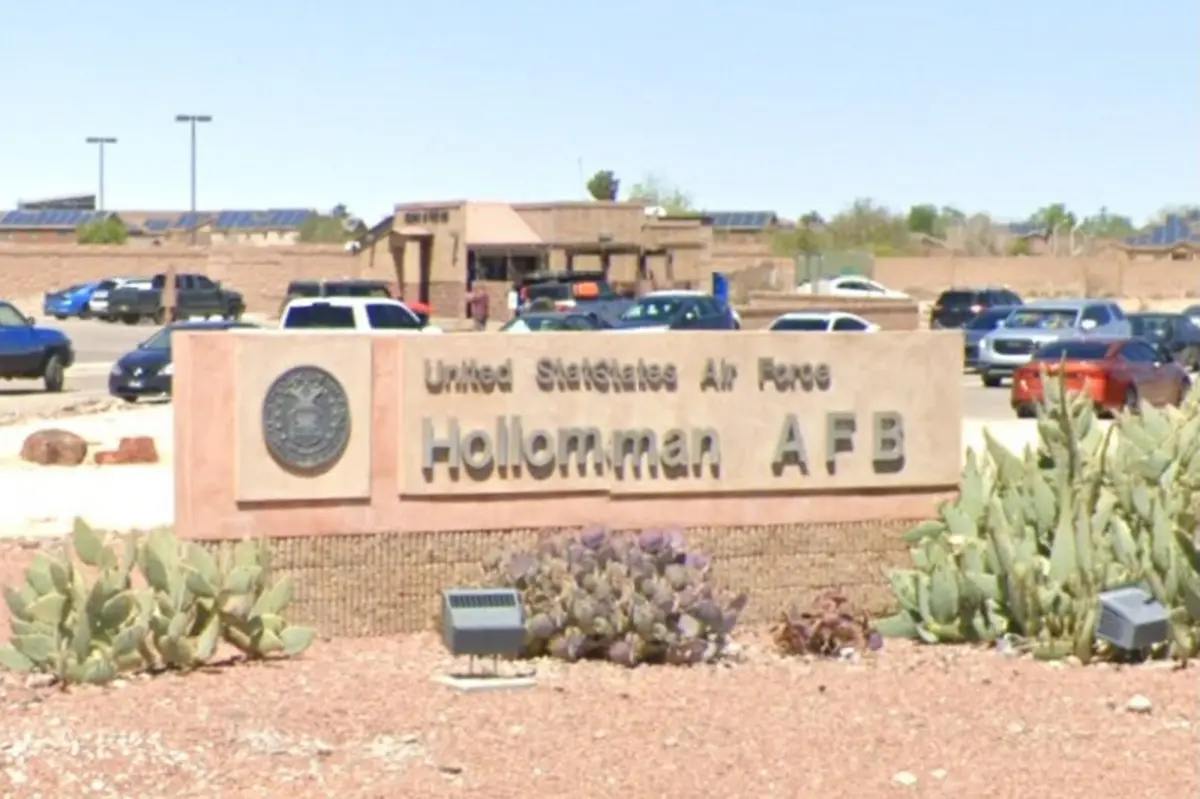
In the tranquil expanse of southeastern New Mexico, where the vast, rugged landscapes meet the disciplined rhythm of military life, Holloman Air Force Base has long stood as a bastion of national security. Stretching across 93 square miles just outside the charming town of Alamogordo, about 100 miles north of the bustling border city of El Paso, Texas, this installation is home to the 49th Wing—a vital unit comprising combat-ready airmen and space guardians dedicated to safeguarding America’s skies and beyond. The base’s day-to-day hum blends operational intensity with the quiet routines of family life, complete with housing areas, recreational facilities, and the ever-popular “shopette,” a modest convenience store that serves as a casual hub for snacks, quick meals, and friendly chats among service members, veterans, and their loved ones. On a seemingly ordinary Tuesday afternoon, however, this peaceful scene was shattered by an unimaginable act of violence, reminding everyone of the fragility of safety even in fortified environments. As the sun dipped low in the sky, casting long shadows over the base’s runways and hangars, the community was thrust into chaos, with alarms blaring and personnel scrambling for cover. The incident, a shooting that erupted around 5:30 p.m. near the shopette, echoed through the base’s corridors, leaving a deep wound on the hearts of those who call it home. Families who had built lives around the mission of protecting the nation now grappled with the harsh reality that danger could strike amid their familiar surroundings, highlighting the human cost of the pressures many in the military face—stress from deployments, personal struggles, and the lingering shadows of service that don’t fade with retirement.
The lockdown that followed was swift and intense, transforming the once-active base into a ghost town under siege. Gates sealed, flights grounded, and everyone—from seasoned airmen in their crisp uniforms to civilian contractors and families—hunkered down in secure locations, hearts pounding with uncertainty. Phone lines lit up with frantic calls, parents reassuring children separated for the evening, and colleagues checking on one another in the eerie silence. The shopette, that unassuming cornerstone of base life where airmen might grab coffee after a long shift or veterans reminisce about old missions, became the epicenter of fear. Authorities, piecing together the puzzle in real-time, described the location as a place where people from all walks of military life converged, making the violation feel all the more personal. No one could ignore the psychological toll: the base, designed for preparedness against external threats, now faced an internal horror, testing the resilience of its residents. Whispers of doubt crept in—was this an isolated slip, or a sign of deeper unrest? As hours ticked by, the community clung to the hope that order would be restored, but the initial shock lingered like smoke after an explosion. The 49th Wing, ever the steady hand, issued updates to calm nerves, while base leadership coordinated with local law enforcement to secure the perimeter. In those tense moments, the true spirit of the military family shone through—individuals reaching out across ranks and roles to offer support, sharing stories of past ordeals to fortify one another against the unknown.
At the heart of this tragedy lay the profound human stories of those directly affected, underscoring the irreplaceable loss and pain echoing through Holloman. A military veteran, once stationed at the base and now living as a civilian, was found dead at the scene—a man whose service had shaped him, perhaps leaving him with scars from foreign deployments or the quiet transitions of post-military life. Friends and former comrades mourned him not just as a name in a report, but as a brother-in-arms who had laughed through drills and lived by the code of honor. His family, grappling with grief in the immediate aftermath, faced the cruel irony of his return to the base turning fatal, a place that had once been his second home. Alongside him, an active-duty service member—yet to be publicly identified out of respect for privacy and ongoing concerns—was injured in the gunfire, highlighting the vulnerability of those still in uniform. This brave individual, now in stable condition and receiving care, represented the endurance of the airmen the base celebrates: young professionals dedicated to national defense, balancing rigorous training with personal lives. The injury, a testament to quick medical response teams, sparked waves of sympathy across the base community. Colleagues whispered prayers, while spouses and children waited anxiously for updates, reminding all how thinly the line is drawn between duty and personal safety. The incident wasn’t just statistics; it was a stark reminder of lives interrupted, dreams deferred, and the collective ache of a community reeling from the sudden erasure of one of their own.
As investigators delved deeper into the night’s events, a poignant layer emerged—not a distant crime, but a domestic confrontation that hinted at tangled personal histories. Authorities revealed that the two individuals involved weren’t married, yet the nature of their dispute suggested deep relational ties, though the exact connection remains shrouded in uncertainty. Was it longtime partners pierced by conflict? Siblings ensnared in family strife? Or former comrades whose bond had soured over time? These questions hang in the air, painting a picture of human complexity beyond the military veneer. Details on the sequence of events—who fired the shots, the eruption of gunfire, and the motives—are still elusive, leaving families and friends in a limbo of speculation and sorrow. The base’s tight-knit nature means stories like this ripple through networks of acquaintances, evoking empathy for unresolved tensions that can simmer unnoticed amid the demands of service life. Psychologists often note how the high-stress world of the military can amplify personal challenges, from PTSD to relationship strains, making incidents like this tragically relatable. In the absence of clear answers, the focus shifts to healing, with counseling resources offered through base programs, encouraging those affected to seek solace without judgment. It’s a call to compassion, reminding us that behind every uniform or veteran’s plaque are individuals with layered realities, striving for peace in a world that demands so much.
Holloman Air Force Base, integral to America’s defense apparatus, embodies a legacy of innovation and sacrifice, from missile testing to space operations, fostering a sense of purpose among its guardians. The 49th Wing’s role in supporting national security extends globally, with airmen deploying to hot zones and training for missions that protect freedoms far beyond New Mexico’s borders. Yet, within this powerhouse lies the shopette’s closure until further notice—a decision made late Tuesday via a Facebook post, reflecting the base’s cautious approach to resuming normalcy. The store, more than a business, symbolizes the base’s communal spirit, a spot where heroes and everyday folks connect over mundane joys. Its shuttering meant missed rendezvous, disrupted routines, and a palpable void in the daily fabric, underscoring how even in a lockdown’s shadow, the human need for connection persists. By Wednesday, with the threat neutralized, the lockdown was lifted, allowing a gradual return to operations, though an undercurrent of vigilance remained. Security patrols intensified, and community forums buzzed with discussions on base safety, blending policy talks with heartfelt shares of loss. Officials affirmed the shooting as isolated, no broader threat lurking, which offered some reassurance—but the emotional scars, evident in the subdued tones of returning personnel, hinted that full healing would take time. This episode, while not diminishing the base’s honor, served as a poignant lesson in vulnerability, pushing everyone to cherish the fragile bonds forged in service.
In the wake of such upheaval, the 49th Wing’s leadership offered measured guidance, urging respect and restraint as a balm for the community’s wounds. “We ask that individuals avoid speculating on social media regarding the incident out of respect for the families involved,” their statement resonated, a plea for empathy in a digital age rife with hasty judgments. The investigation continues, promising more details as facts emerge, but for now, the focus lies on supporting those grieving and ensuring the base’s ongoing strength. The base’s expansive grounds, dotted with tributes to fallen heroes, now echoed with renewed commitment to unity, with vigils and memorials planned to honor the veteran lost. Families are encouraged to lean on support networks, from chaplain services to grief counseling, transforming solitude into shared resilience. This tragedy, while heart-wrenching, might well unite Holloman more tightly, reinforcing the unspoken pact among its members to stand together through trials. As the sun rises again over the base’s arid landscape, there’s a collective resolve to emerge stronger, honoring the sacrifices of the past while safeguarding the futures ahead—proving that even in the face of sudden violence, the human spirit, much like the airmen it nurtures, endures.