

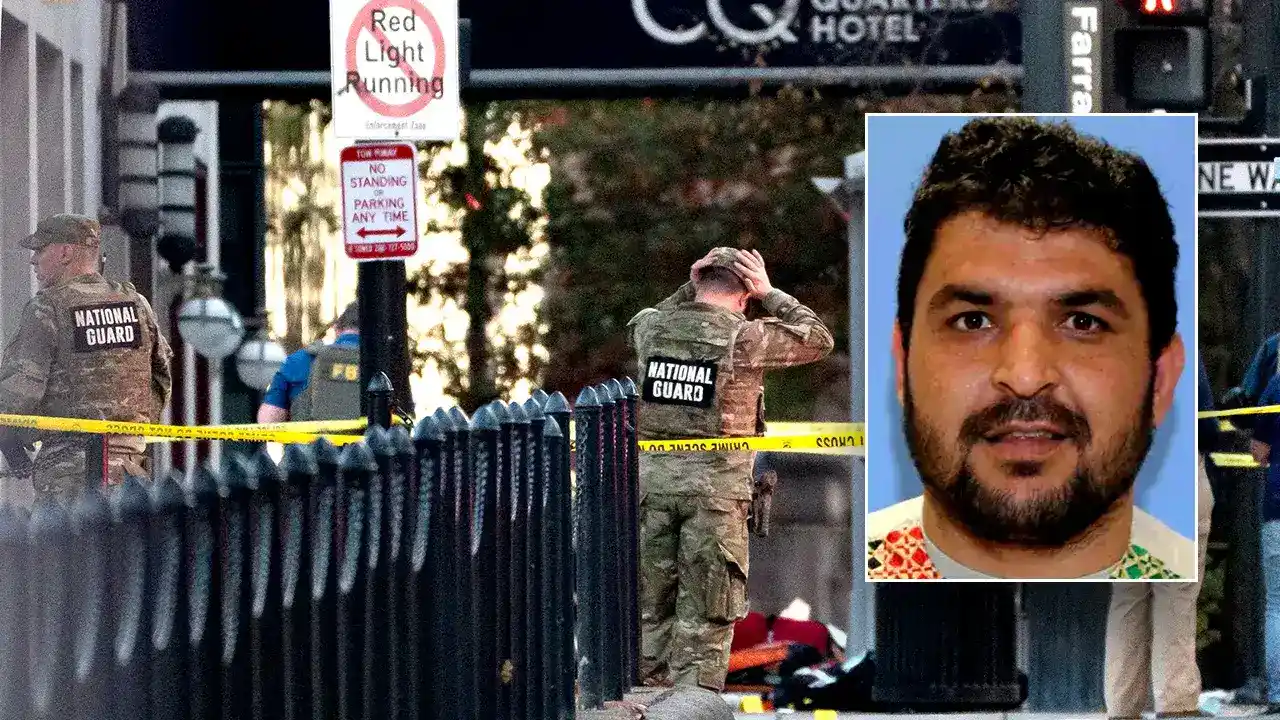
It was a tragedy that shook the nation’s capital on the eve of Thanksgiving last year, and now, the man accused of pulling the trigger is making headlines once again—this time from a hospital bed. Rahmanullah Lakanwal, a 30-year-old Afghan national, has been urgently transferred from his prison cell to a medical facility after launching a severe hunger strike. Federal prosecutors recently informed D.C. District Judge Amit Mehta that Lakanwal had to be hospitalized around midnight on Wednesday in a desperate bid to “preserve his life.” The U.S. Marshals Service had been raising the alarm since June, warning that the suspect had been refusing food and water for so long that he was facing imminent, irreversible organ damage or death. In a tense emergency hearing, Judge Mehta did not mince words, describing Lakanwal’s deteriorating physical state as “dire” and entirely “self-inflicted.”
This high-stakes medical crisis adds a bizarre and complicated layer to a capital murder case that is already deeply painful for the victims’ families. Lakanwal stands accused of executing a cold-blooded ambush on November 26, when he allegedly drove his Toyota Prius all the way from Bellingham, Washington, to the heart of Washington, D.C., armed with a stolen .357 Smith & Wesson revolver. Prosecutors state that he opened fire on unsuspecting West Virginia National Guard members near the White House, striking Specialist Sarah Beckstrom and Guardsman Andrew Wolfe in the head. While nearby Guardsmen heroically tackled and subdued Lakanwal at the scene, the damage was done. Specialist Beckstrom tragically succumbed to her injuries on Thanksgiving Day, transforming a national holiday into a time of mourning.
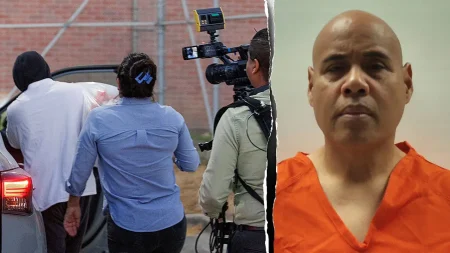
The legal battle following the shooting has been slow and fraught with tension, culminating in Lakanwal’s first public court appearance last month. Visibly weakened and confined to a wheelchair while wearing an orange prison jumpsuit, the suspect pleaded not guilty to all 17 charges against him, which include first-degree murder—a charge that leaves him eligible for the federal death penalty. The hunger strike began shortly after this court appearance, prompting a legal tug-of-war over his medical privacy. Previously, a protective order blocked the government from viewing Lakanwal’s health records. However, given the life-or-death nature of his current hospitalization, Judge Mehta ruled that prosecutors must have full access to his treatment files and healthcare providers to monitor his condition.
Behind the legal maneuvering and medical emergencies lies a profound story of loss, resilience, and honor for the victims of the attack. Specialist Sarah Beckstrom was posthumously awarded the West Virginia Distinguished Service Medal for her sacrifice, while Andrew Wolfe, who survived the horrific head wound and is still undergoing a grueling recovery process, was recently honored with the “Freedom 250: Hometown Hero Award.” In a moving ceremony this past February, President Donald Trump presented both Guardsmen with the Purple Heart, cementing their legacy of service. As investigators continue to probe Lakanwal’s potential ties to shadowy extremist organizations, the nation watches to see if the suspect will survive his self-imposed starvation long enough to face the justice the victims and their families so rightly deserve.