


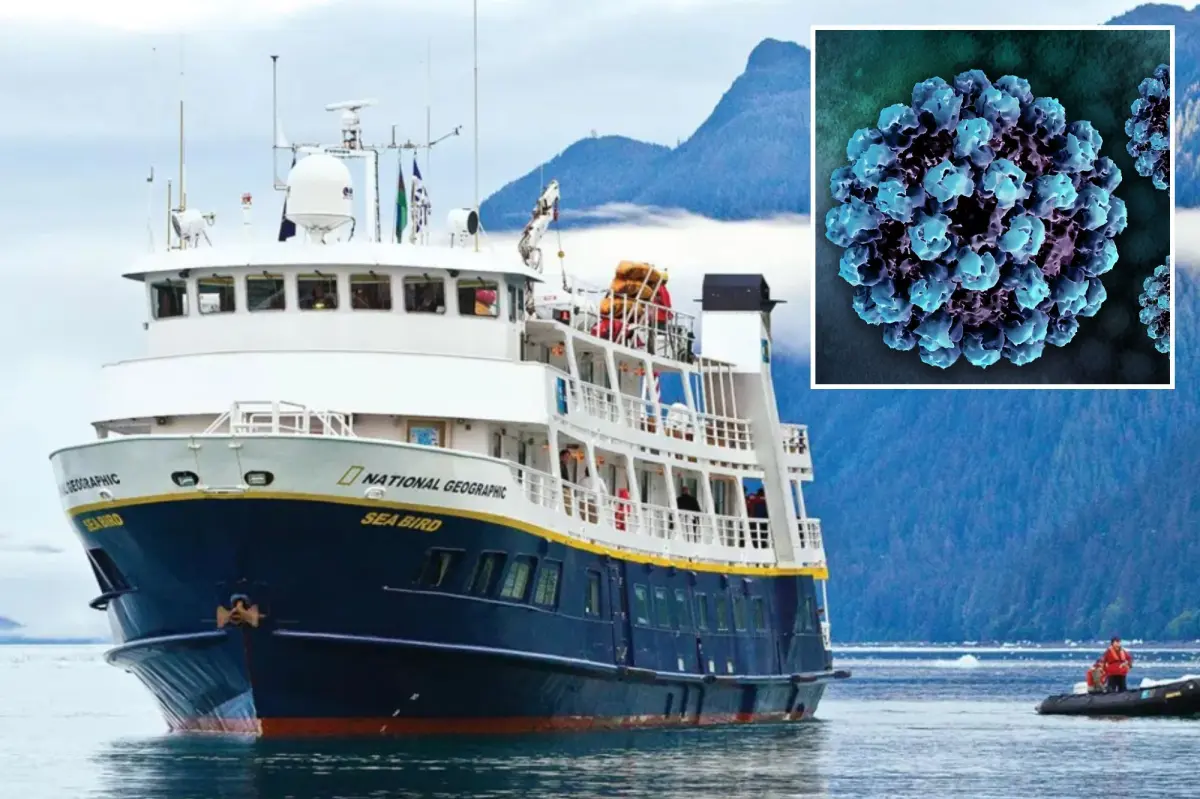
Imagine embarking on what was supposed to be a once-in-a-lifetime journey through the raw, untamed, and breathtaking beauty of the Alaskan wilderness, only to have those cherished dreams shattered by an invisible, microscopic adversary. On July 10, the National Geographic Sea Bird, a small, intimate 152-foot-long expedition vessel operated by Lindblad Expeditions, departed from Sitka, carrying eager passengers who had spent months, perhaps even years, planning their dream escape to view dramatic glaciers, breaching humpback whales, and towering pine forests. Sadly, just two days into the ocean voyage on July 12, the tranquil and joyful atmosphere aboard the ship dissolved into sheer anxiety and physical distress as a sudden, violent gastrointestinal outbreak began to sweep relentlessly through the passenger cabins. According to official reports issued by the Centers for Disease Control and Prevention’s (CDC) Vessel Sanitation Program, nearly a third of the travelers on board—specifically 18 out of the 62 passengers—were abruptly struck down by an aggressive stomach bug. Cruising through some of the world’s most beautiful landscapes, these sickened travelers were unfortunately unable to view them, instead finding themselves confined to their cramped, constantly swaying cabins, battling severe vomiting, debilitating abdominal cramps, and profound physical exhaustion. The brutal physical suffering of the illness was deeply compounded by the crushing disappointment of a ruined vacation, leaving families isolated in their rooms while the majestic Alaskan scenery floated silently past their cabin windows, frustratingly out of reach. For the ship’s dedicated crew, this sudden health crisis triggered a frantic race against time, forcing them to quickly isolate the afflicted guests and ramp up strict emergency cleaning and disinfection protocols in a desperate bid to halt the transmission of the mysterious pathogen before it could claim more victims. This stark contrast between the pristine, wild beauty of Alaska on the outside and the clinical, stress-filled crisis on the inside perfectly illustrates the sudden and volatile nature of travel health emergencies.
What makes this recent incident on the National Geographic Sea Bird particularly tragic and alarming is that it is not an isolated stroke of bad luck, but rather the continuation of a recurring, highly frustrating nightmare for the vessel’s crew, operators, and prospective travelers. The July outbreak represents the third time since late May 2026 that this specific expedition ship has been ravaged by a gastrointestinal crisis, earning it a worrisome and historic distinction among maritime health authorities. According to the data compiled by the Vessel Sanitation Program, out of all the cruise ships operating out of United States ports in 2026, the Sea Bird is the only vessel to have been hit by multiple infectious outbreaks within such a compressed and intense timeframe. The pattern of illness first manifested during a brief voyage from May 26 to May 31, when nine passengers and three crew members suddenly fell ill, casting a shadow over the start of the summer cruise season. Just weeks later, on a trip between Juneau and Ketchikan spanning June 25 to June 30, the invisible plague struck again with even greater force, infecting 20 of the 95 people on board and turning another exciting Alaskan expedition into a floating quarantine ward. For the ship’s hardworking crew members, who typically pride themselves on providing unparalleled hospitality and expert nature guidance, this relentless cycle of disease has undoubtedly been physically demanding and emotionally draining. Each new outbreak forces them to pivot instantly from their roles as hospitality professionals into hazmat-level sanitizers, spending sleepless hours scrubbing high-touch surfaces, disinfecting communal dining areas, and monitoring quarantined guests. The stubborn recurrence of these outbreaks raises deeply concerning questions about how these pathogens are managing to survive on the vessel despite rigorous cleaning, leaving future travelers wondering if the ship’s physical layout or climate control systems are harborages for contagion.
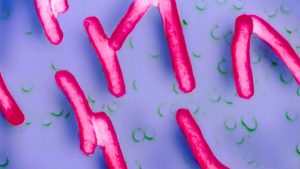
While the precise biological cause of the latest July outbreak remains officially unconfirmed as health authorities wait for lab results, the dark shadows of the previous two incidents loom large, as both of those prior disruptions were definitively linked to the notorious norovirus. Often referred to colloquially as the “stomach flu,” though it is completely unrelated to the influenza virus, norovirus is an exceptionally contagious and resilient pathogen that thrives in the close, communal environments inherent to cruise ships and expedition vessels. The virus acts with terrifying speed and violence, causing acute inflammation of the stomach and intestines that triggers sudden, explosive vomiting and watery diarrhea, which can quickly leave victims severely dehydrated and weak. In their urgent quest to identify the exact source of this latest outbreak and determine if it is indeed norovirus once again, the CDC’s Vessel Sanitation Program has requested that sickened passengers participate in the highly unpleasant, clinical process of providing stool and vomit samples for analysis. These samples are currently undergoing confirmatory testing in specialized medical laboratories to see if they match the viral strains from the previous spring and summer outbreaks. This process of remote monitoring and biological testing highlights the stark, clinical reality of managing a health crisis at sea, where epidemiologists miles away must piece together microscopic clues while distressed passengers deal with the raw, undignified reality of severe physical illness in their private quarters. The psychological toll of waiting for these test results is incredibly heavy, as passengers face both the physical violation of their comfort and the lingering anxiety of not knowing whether a contaminated water line, an asymptotic crew member, or a tainted batch of food was the spark that ignited their painful ordeal.
The ongoing health struggle aboard the National Geographic Sea Bird is emblematic of a broader, highly public series of cruise-related health scares that have cast a shadow over maritime tourism in recent years. For millions of vacationers, a cruise represents the ultimate escape—an all-inclusive bubble of luxury, relaxation, and effortless exploration—but recent events serve as a stark reminder of how quickly these self-contained vessel communities can transform into modern-day pest houses. For example, in April of this year, the global travel community was deeply shaken by a tragic and highly unusual hantavirus outbreak aboard the expedition ship MV Hondius, which was shockingly linked to the deaths of three passengers, elevating maritime health concerns from mere stomach discomfort to a matter of life and death. Shortly thereafter, in May, the massive Caribbean Princess was struck by an aggressive norovirus outbreak that sickened more than a hundred passengers, demonstrating that neither small-scale luxury expedition ships nor massive mega-resorts are immune to these biological invasions. These successive, high-profile crises have forced a philosophical reckoning among travelers, many of whom must now weigh their deep, adventurous desires for exploration against the quiet, simmering fear of confinement, infection, and quarantine. The dream of navigating icy fjords or tropical seas is now increasingly accompanied by the clinical reality of hand-sanitizer stations, pre-boarding health questionnaires, and the sudden, chilling announcement of a shipboard quarantine over the intercom. Ultimately, these incidents underscore the delicate and fragile balance between our desire to wander the earth and our inherent vulnerability to the ancient, microscopic life forms that travel alongside us on every voyage.
Yet, as frightening and frustrating as these shipboard outbreaks are, they do not exist in a vacuum, but rather reflect an increasingly fragile global food safety and public health infrastructure that affects people even when their feet are firmly planted on dry land. The norovirus struggles of the Sea Bird recently coincided with an alarming, terrestrial health crisis in the United States that transformed a routine, everyday fast-food meal into a terrifying emergency-room visit. This outbreak made national headlines when an unsuspecting customer ordered a new menu item at a local Taco Bell, only to be rushed to the hospital with explosive, painful diarrhea, leading doctors to diagnose a case of cyclosporiasis. Cyclosporiasis is a fast-spreading, painful intestinal infection caused by a microscopic parasite, and health officials were quickly able to trace the source of this culinary contamination back to iceberg lettuce produced by Taylor Farms, a massive agricultural supplier. Since that initial hospitalization, the outbreak has exploded dramatically, sickening nearly 7,000 ordinary citizens across 34 different states and resulting in 94 serious hospitalizations, although thankfully no deaths have been reported. This parallel crisis on land humanizes the dry, abstract concepts of epidemiology, showing that whether a person is paying thousands of dollars for a premium cruise in Alaska or just spending a few dollars at a fast-food drive-thru, we are all highly vulnerable and deeply connected to the invisible sanitation standards maintained by corporate supply chains. It serves as a reminder that the food we eat, the water we drink, and the air we breathe are part of a massive, interconnected system where a single sanitary lapse can have devastating consequences for thousands of lives.
Ultimately, these intersecting narratives of sickness at sea and contamination on land serve as a humbling, powerful reminder of our shared human vulnerability in an era where we often take our health and modern safety systems entirely for granted. The passengers aboard the National Geographic Sea Bird, who set off with hearts full of wonder only to find themselves battling a miserable pathogen, remind us of the incredibly thin boundary that exists between life’s greatest adventures and sudden misfortune. Yet, amidst the physical discomfort, ruined vacation plans, and medical isolation, there is also a profound story of human resilience, highlighted by the tireless, often thankless efforts of the shipboard crew members who risk their own health to care for the sick and meticulously sanitize their vessels. It also highlights the critical, quiet dedication of public health officials, lab workers, and CDC investigators who work tirelessly behind the scenes, processing samples and tracing supply chains to keep the public safe from invisible threats. As we look to the future of travel and daily life, these repeated outbreaks should not serve as a reason to hide away in fear or abandon our love for exploration, but rather as an urgent call for greater empathy, higher standards of hygiene, and a deeper appreciation for the complex networks that sustain us. In the end, the true measure of our collective humanity is how we respond to these moments of vulnerability, learning from each outbreak to better protect the dreamers who still wish to sail the seas, taste new foods, and discover the magnificent world around them.