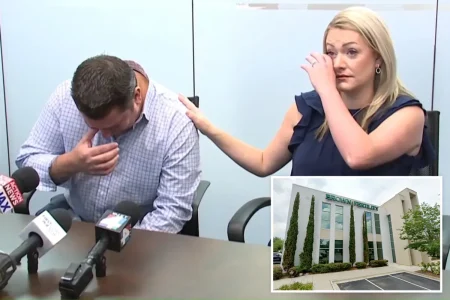






Behind every federal indictment is a human story, and the story behind the latest charges in Texas is one of grief stretched into fear. A Missouri woman, Sharifa Nicole Henderson, 34, has been federally indicted after allegedly threatening the family of Austin Metcalf, the Texas teenager whose murder trial ended with Karmelo Anthony’s conviction. Henderson was arrested in Kansas City on September 11, just two days after a federal grand jury in the Eastern District of Texas charged her with three counts of interstate threatening communications. But for the Metcalf family, the indictment is not simply a legal formality. It is another painful reminder that their son’s death has become a public spectacle, and that some strangers have chosen to turn their grief into a weapon. The family has already endured the unthinkable: losing a 17-year-old boy in a sudden, violent attack at a high school track meet. Now, they must also wonder whether the threats will ever stop, whether every ringing phone or new message could carry another promise of harm. Henderson’s alleged words were not vague expressions of anger. They were specific, graphic, and directed at people who were already drowning in sorrow. The indictment offers a chilling window into what the Metcalf family has been forced to live through in the days after the verdict, a time that should have brought some measure of closure but instead brought more terror.
According to the indictment, Henderson’s alleged campaign of intimidation began almost immediately after Anthony’s trial concluded on June 9. On June 10, she sent a Facebook Messenger message to a member of the Metcalf family, threatening to kill them and put them in a body bag. She then added, “now this is a threat take me to court [expletive],” as if daring the family to seek protection. Later that same day, Henderson allegedly called the Collin County government, the office that had prosecuted Anthony, and said she would “demolish” the Metcalf family and “strangle” one of them. The next day, June 11, she allegedly sent another Facebook Messenger message to a family member, writing, “Don’t worry I’ll kill you next,” and adding, “I will hunt you forever until I kill you…I will be there. You will always have to look over your [expletive] shoulder.” These are not the words of someone expressing a political opinion or debating the fairness of a trial. They are threats designed to instill terror, to make a grieving family feel unsafe in their own lives. If convicted on all three counts, Henderson faces up to five years in prison for each charge. But no sentence can erase the sleepless nights, the anxiety, or the moment a parent reads a message saying their child will be hunted down. The legal system can punish the crime, but it cannot undo the emotional damage.
To understand why these threats strike so deeply, one must remember the tragedy that started it all. Austin Metcalf was a 17-year-old student at Memorial High School, a young man with his whole life ahead of him. On April 2, 2025, he was at a regional high school track meet at Kuykendall Stadium in Frisco, Texas, doing what countless teenagers do every spring: competing, cheering on teammates, and enjoying the electric atmosphere of a school sporting event. Karmelo Anthony, then a student at Centennial High School, allegedly walked over to the Memorial High School team’s tent and sat down under it. Austin reportedly told Anthony to leave. According to prosecutors, Anthony provoked the confrontation that followed, and in a matter of moments, Austin was fatally stabbed in the chest. Surveillance footage later showed Anthony running from the tent. When police arrested him, he reportedly said, “I’m not alleged, I did it.” Authorities later found no evidence that the two teenagers knew each other before that day. A single, senseless moment ended a young life and shattered a family. Austin was not just a name in a headline. He was a son, a brother, a teammate, a student with dreams and friends and a future. His parents should have been watching him run, not planning his funeral. Instead, they became part of a nightmare that no parent should ever have to endure, and then the nightmare continued with threats from strangers.
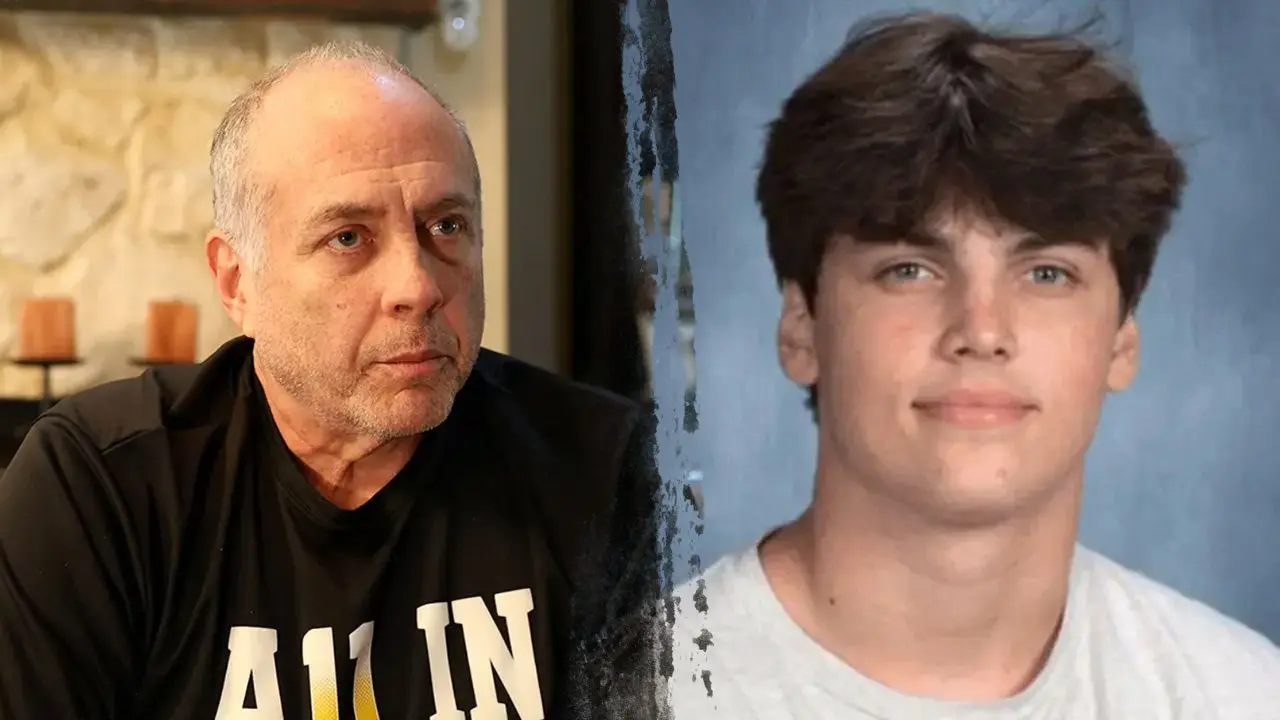
The threats against the Metcalf family did not end with Henderson. Jeff Metcalf, Austin’s father, recently told FOX 4 Dallas-Fort Worth that his family has received more than 100 threats since the murder trial concluded. More than one hundred times, someone has reached out to a family already broken by loss to add more pain. More than one hundred times, a parent has had to wonder if the person sending those messages actually means it. More than one hundred times, the family has had to think about security, about whether to answer the phone, about whether their home is safe. This is the reality of grief in the age of social media, where outrage can be directed at anyone, and where a family’s tragedy can become a target for strangers who have never met them. The Metcalf family should have been allowed to mourn in peace. Instead, they have had to look over their shoulders, to worry about the people who have latched onto their son’s death for their own reasons. The federal indictment against Henderson is a step toward accountability, but it also highlights how vulnerable victims’ families can be. They are not just dealing with the loss of a loved one; they are dealing with a world that sometimes seems determined to make that loss even harder to bear. Jeff Metcalf’s public statements reflect a father’s exhaustion, a man who just wants justice for his son and safety for his family, but who keeps finding himself in the middle of a storm he never asked for.
The case has also become a flashpoint for racial tension and online division. Anthony’s supporters criticized the lack of Black jurors on the panel and called for his acquittal, while supporters of the Metcalf family gathered outside the courthouse demanding justice. The trial drew national attention, and with that attention came a flood of commentary, speculation, and sometimes outright hostility. Jeff Metcalf has accused media pundits of trying to monetize his son’s death “for clicks,” a charge that speaks to the way tragedy can be turned into content. Every article, every social media post, every heated debate can feel like another violation of a family’s privacy. The racial dimension of the case is real and complicated, and it deserves thoughtful discussion. But for the Metcalf family, their son was not a symbol or a talking point. He was a real person, and his death was not an argument to be won. The threats Henderson allegedly made were part of this larger, toxic atmosphere, one in which people feel entitled to insert themselves into a family’s grief and use it as a weapon. Anthony was sentenced to 35 years in prison, and last month a judge denied his motion for a new trial, though his family is preparing another appeal. The legal process continues, but for the Metcalf family, the emotional process may never truly end. They will always be the parents of a boy who was taken too soon, and they will always carry the weight of that loss.
Now Henderson will have to answer for her alleged actions in a federal courtroom. The charges against her are serious, and they send a message that threatening a grieving family is not protected speech, but a crime with real consequences. The federal government’s decision to pursue the case shows that this kind of behavior will not be tolerated, especially when it targets victims’ families who have already suffered so much. But as the legal system does its work, it is worth pausing to remember what is truly at stake. Austin Metcalf’s life mattered. His family deserves to grieve without fear. They deserve to remember him without being bombarded by hatred and threats. They deserve to walk through their days without wondering if someone is coming for them. No verdict, no sentence, and no indictment can bring Austin back, but accountability can offer a small measure of protection and hope. The Metcalf family has shown incredible strength in the face of unimaginable pain, but strength should not be required of them. They should be allowed to be human, to cry, to remember, and to heal in their own time. As the case moves forward, the hope is that the family can finally find some peace, and that the memory of Austin Metcalf will be honored not with anger and threats, but with compassion, dignity, and the simple recognition that a young life was lost far too soon.