







The Unexpected Crisis on the School Bus
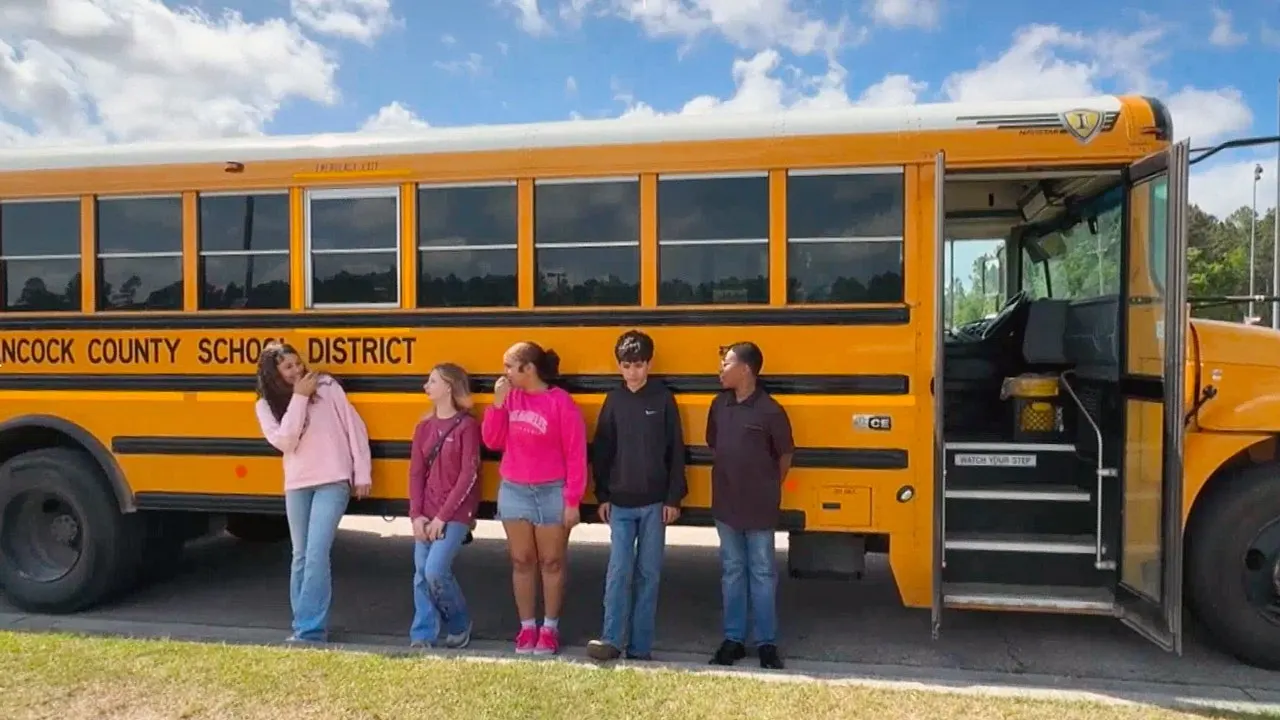
It was just another ordinary Monday afternoon at Hancock Middle School in Mississippi, where about 40 students boarded their bus after a day of classes, chatter, and the usual tween antics. The driver, Leah Taylor, a 46-year-old woman with years of experience navigating winding roads and crowded highways, seemed as reliable as ever. Taylor had been with the district for a while, known for her calm demeanor and occasional jokes that lightened the mood during long rides. But asthma, that silent predator she managed with medication, had other plans that day. As the bus pulled away from the school parking lot, heading toward its route home, Taylor felt the familiar tightness in her chest building. Little did the kids know, a life-altering moment was unfolding right before their eyes. The highway stretched ahead, a ribbon of asphalt under the late afternoon sun, vehicles zooming by in a blur of normalcy. Taylor reached for her nebulizer, her hands shaking as the attack intensified, but before she could grab it, the world went dark. She slumped over the wheel, unconscious, the bus beginning to veer erratically. Panic could have erupted, with screams and chaos turning the vehicle into a rolling disaster, but these weren’t just any middle schoolers—they were quick-thinking heroes in the making.
The bus lurched sideways, tires screeching against the pavement, and in that heartbeat of terror, sixth grader Jackson Casnave, just 12 years old, sat up from his seat behind the driver. He was a quiet kid, the type who preferred drawing comics to sports, but the sight of the bus swerving jolted him into action. “I didn’t have time to process my emotions,” he later recalled, his voice steady despite the adrenaline coursing through him like lightning. Jackson lunged forward, his small hands gripping the wheel to steady it, shouting to his classmates for help. The highway loomed dangerously close, other cars honking as the bus encroached on lanes. Darrius Clark, another 12-year-old with a mischievous grin that hid his bravery, sprang from his seat and slammed on the brakes. Together, the group—kids who moments ago were trading snacks and phone memes—worked in frantic harmony. They steered the bus toward the median, a grassy strip separating the lanes, a temporary safe haven amidst the traffic. Kayleigh Clark, Darrius’s 13-year-old sister, fumbled with her phone, dialing 911 while classmates screamed around her. “I was scared, but also I had to help,” she said, her voice trembling a bit in interviews, the weight of responsibility hitting a teenager who still played with dolls at home. Screams filled the air, a cacophony of fear and determination, drowning out the operator’s voice as sirens wailed in the distance.
In the midst of the chaos, 15-year-old eighth grader Destiny Cornelius spotted the nebulizer in the driver’s hand and grabbed it, knowing just enough from health class to administer the medication. It was a simple act, but for Destiny, who dreamed of becoming a doctor one day, it felt like saving a life. Alongside her, 13-year-old McKenzy Finch, a tech-savvy student with a knack for noticing details, saw the driver’s phone lighting up with calls from worried family and promptly alerted the school district’s transportation team. These weren’t trained paramedics; they were preteens faced with a crisis that demanded split-second decisions. The bus came to a shuddering halt on the median, grass crunching under the tires, and as the doors hissed open, paramedics rushed in to take over. Looking back, Taylor, who regained consciousness shortly after, described the scene as a blur of gratitude and shock. “I’m grateful for my students,” she said with tears in her eyes, her recovery full and swift thanks to their quick thinking. The students had turned a potential tragedy into a testament to human spirit, each one contributing in ways that showcased their individual strengths—courage from Jackson, quick reflexes from the Clarks, resourcefulness from Cornelius and Finch.
Reflecting on that harrowing ride, the kids opened up about the swirl of emotions they’d felt. Jackson admitted he was terrified, his mind racing with thoughts of his family and what could have gone wrong, but he pushed fear aside for the greater good. “I just wanted to make sure that nobody got hurt,” he explained softly, as if replaying the scene in his head. Darrius, who hit the brakes with both fists, grinned sheepishly when asked if he was afraid, saying it was like those video games he played, but real life with real stakes. Kayleigh, her hands still shaking days later, described the 911 call as the hardest thing she’d ever done—explaining the situation while pandemonium raged around her. For Destiny and McKenzy, helping with the medication and alerting authorities felt empowering, a reminder that even kids can handle emergency situations. Parents rushed to the scene, hugging their children tight, their faces etched with relief and pride. The bus, once a symbol of routine commutes, now stood as a monument to teamwork. Little did these students know, their actions would ripple out, inspiring stories shared across the community and beyond.
The following days brought a whirlwind of support and recognition, turning the incident into a beacon of hope. By Friday, Hancock Middle School hosted a pep rally in the gymnasium, bleachers filled with cheering students and teachers. Principal Dr. Melissa Saucier, a stern but warm educator, stood at the podium, her voice echoing with emotion. “What they did took courage,” she said, her eyes moist. “They didn’t wait for somebody to step in, they stepped up themselves, and that says a lot about their character.” Taylor, fully recovered and beaming with thanks, hugged each hero, sharing stories of her own battles with asthma and how these kids had rewritten her narrative. The students received honorary pins and certificates, but the real reward was the celebratory lunch planned for the next week—a feast of pizza and ice cream in their honor. News outlets picked up the story, local reporters interviewing the group, turning shy middle schoolers into local celebrities. Families gathered around TVs, watching as Jackson and his friends recounted the day, their words a mix of humility and quiet confidence. It was a moment that united the school, reinforcing lessons about responsibility and bravery in every classroom.
In the end, this tale from Mississippi’s backroads reminds us that heroes aren’t always grown-ups in capes—they can be kids facing down fear with sheer grit. The incident highlighted the power of community and trust, how a group of young people, when pushed to their limits, can prevent disaster and save lives. Taylor’s recovery was complete, but her gratitude endured, often visiting the school to share her story. The students, in turn, grew from the experience, their confidence bolstered, ready to face future challenges. As the school year continued, teachers wove the event into lessons on emergency preparedness, turning a scary afternoon into an educational triumph. For anyone listening or reading, it underscored a simple truth: in times of crisis, ordinary people—and sometimes extraordinarily brave kids—can become the lifeline others need. This wasn’t just a news story; it was a human story, full of heart, resilience, and the unbreakable bond of a community pulling together. And as the days go by, the echoes of that bus’s safe stop on the median serve as a gentle reminder that even in our most vulnerable moments, hope and heroism are always within reach.