


Minnesota National Guard Stands Ready Amid Escalating Anti-ICE Protests
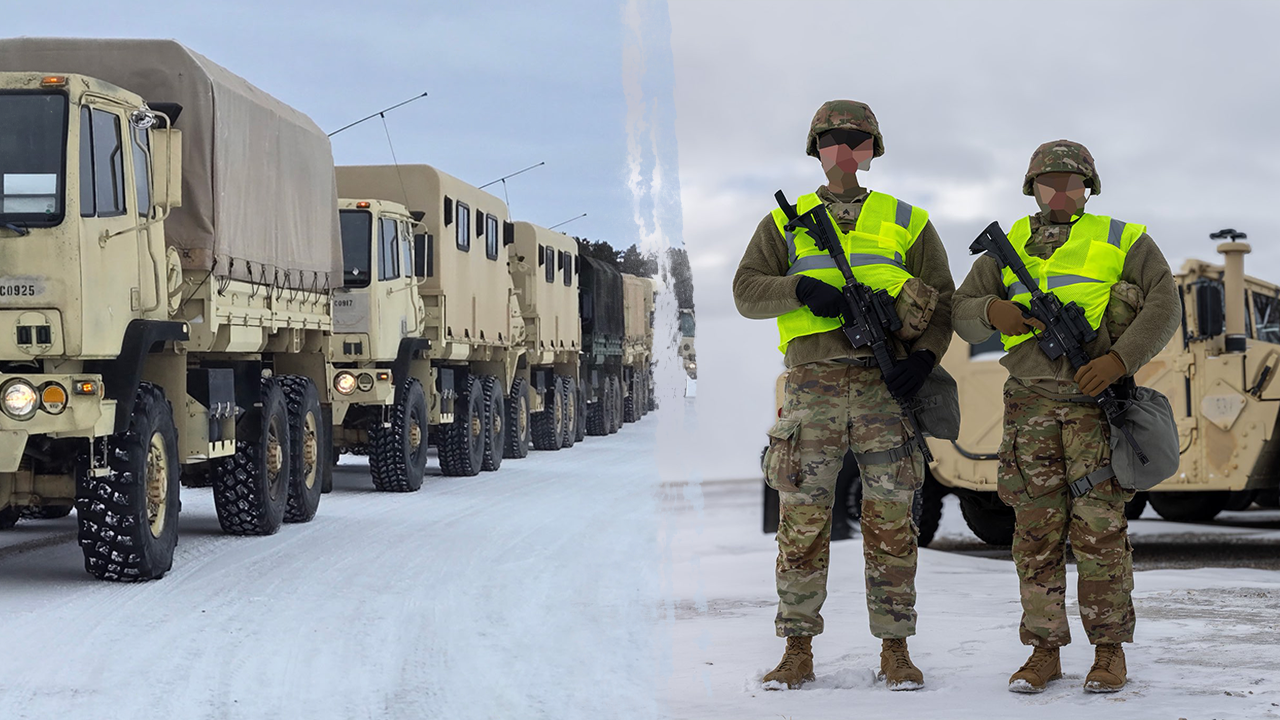
In a significant development amidst growing tensions in Minnesota, the National Guard has positioned itself on standby, ready to assist local law enforcement as anti-ICE protests intensify across the state. On Saturday, the Minnesota National Guard shared an image on social media showing their members wearing bright yellow reflective vests over their uniforms—a deliberate choice to help distinguish them from other agencies operating in similar capacities. The Guard emphasized their connection to the communities they serve, noting that their members “live, work, and serve in our state,” with their primary mission focused on “protecting life, preserving property, and ensuring Minnesotans can safely exercise their First Amendment rights.” While Guardsmen have not yet been deployed to city streets, they remain ready to support public safety efforts should the situation require their intervention.
The current state of heightened alert comes after the Minnesota Department of Public Safety announced that Governor Tim Walz had directed the National Guard to mobilize and begin staging operations to support local law enforcement and emergency management agencies. This mobilization reflects growing concerns about protest activities that have occasionally turned violent, with multiple conservative demonstrators reportedly being attacked by agitators during Saturday’s anti-immigration enforcement demonstrations. The visual distinction provided by the reflective vests serves a practical purpose in what has become an increasingly complex and volatile environment, where multiple agencies may be operating simultaneously and clear identification could prove crucial for both authorities and protesters alike.
At the heart of these tensions is a tragic incident that occurred earlier this month, when 37-year-old Renee Nicole Good was fatally shot on January 7 by an Immigration and Customs Enforcement (ICE) agent. According to reports, Good was allegedly blocking an ICE operation in Minneapolis and driving toward the agent when the shooting occurred. This incident has become a flashpoint for anti-ICE sentiment in the region, galvanizing protesters and escalating tensions between federal immigration authorities and local communities. The community’s response has been amplified by statements from Democratic officials, including Governor Walz and Minneapolis Mayor Jacob Frey, who have been criticized for encouraging anti-ICE protests in the aftermath of the shooting.
The encouragement of protests by local Democratic officials has not gone unnoticed at the federal level, with U.S. Deputy Attorney General Todd Blanche telling Fox News that such rhetoric could potentially cross legal boundaries. “When the governor or the mayor threaten our officers, when the mayor suggests that he’s encouraging citizens to call 911 when they see ICE officers, that is very close to a federal crime,” Blanche stated on Friday. This statement reveals the growing rift between federal and local authorities on immigration enforcement matters, with federal prosecutors now conducting a probe into what they characterize as alleged impeding of law enforcement efforts. Sources indicate this investigation remains in its early stages, with uncertainty about whether it will ultimately result in criminal charges against any officials.
The current situation in Minnesota reflects broader national tensions surrounding immigration policy and enforcement. ICE operations have long been controversial, but the fatal shooting has heightened emotions and brought these issues to the forefront of public consciousness in the state. The potential deployment of the National Guard represents a significant escalation in the official response to these protests, suggesting concerns about maintaining public order while allowing for constitutional rights of free assembly and speech. The Guard’s careful messaging about their role emphasizes their desire to be seen as members of the community rather than as an occupying force, reflecting awareness of the delicate balance required in such situations.
As the situation continues to develop, all eyes remain on Minnesota’s leadership and how they navigate these complex waters. The National Guard’s preparedness suggests an acknowledgment of the potential for further escalation, while their emphasis on distinguishing themselves visually from other agencies indicates a desire to maintain clarity in their role and presence. For residents of Minnesota and observers nationwide, this standoff between protesters, local officials, federal authorities, and now potentially the National Guard represents a microcosm of America’s ongoing struggles with immigration policy, law enforcement accountability, and the boundaries of protest in a democratic society. The coming days may prove critical in determining whether tensions ease or whether the situation develops into a more significant confrontation between competing visions of America’s approach to immigration enforcement and community safety.