





Paragraph 1: The Arrest and Its Shocking Context
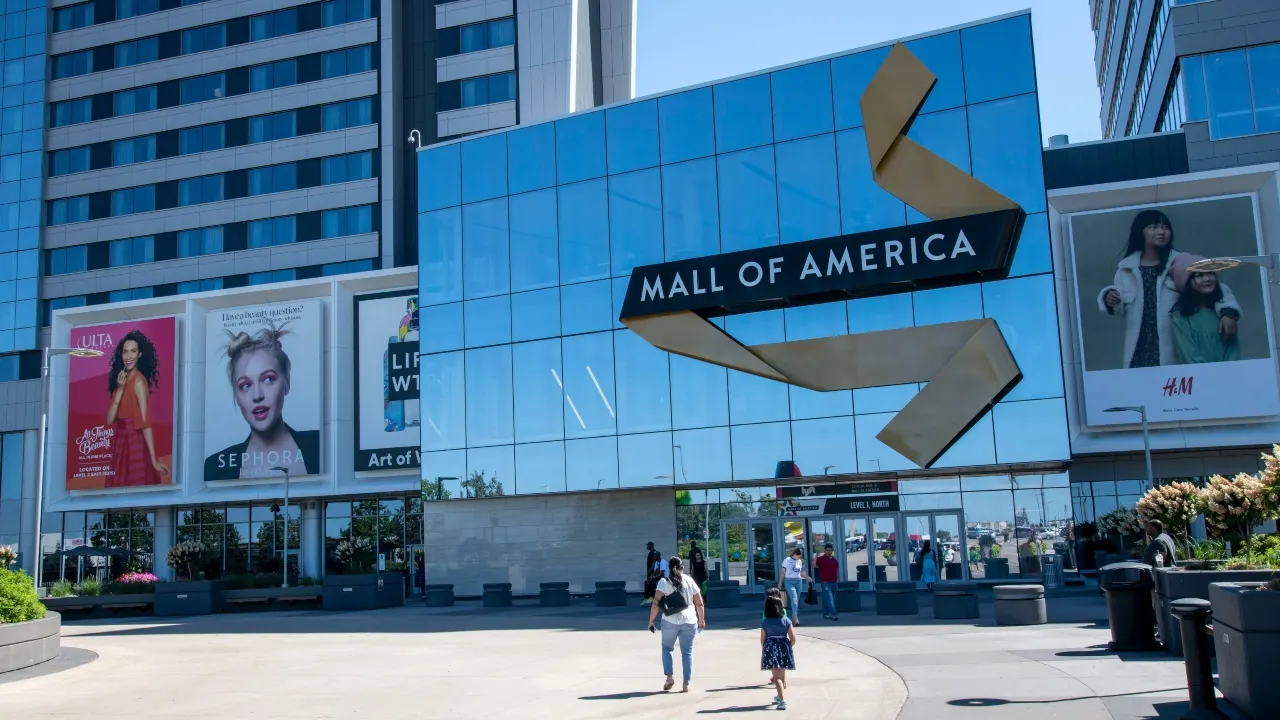
In a chilling reminder of the persistent threats facing American communities, an 18-year-old Minnesota man was taken into federal custody after allegedly plotting a mass shooting at the Mall of America, one of the most visited retail destinations in the United States. The young man, identified as Sheikhdoon Abdullahi Mohamud, was arrested after he purchased an AK-47-style rifle, magazines, and ammunition from an undercover FBI employee, according to newly unsealed federal court documents. The arrest, which unfolded quietly in the heartland, sent a shockwave through local and national law enforcement circles, as it laid bare the grim reality that radicalization can take root in the unlikeliest of places. The Mall of America, a sprawling complex of entertainment and commerce in Bloomington, Minnesota, had been the target of a narrowly averted attack, one that could have rivaled some of the worst terrorist tragedies on American soil. For the families who shop there, the teenagers who ride its roller coasters, and the employees who report to work each day, the news was a stark confirmation that the specter of terror remains an ever-present danger, even in the heart of the Midwest.
Paragraph 2: A Trail of Disturbing Statements
The investigation into Mohamud’s activities allegedly began months ago, when he came to the attention of the FBI through a confidential source who engaged with him in a series of conversations that grew increasingly alarming. According to the affidavit filed in federal court in Minnesota, Mohamud spoke at length about his desire to carry out an attack, expressing a deep-seated hatred for non-believers, or “kuffar” in Arabic. In September, he allegedly made a chilling declaration: “I can’t wait until I kill kuffar man. October 24 is the day insha Allah.” The choice of date was no coincidence. When the source pressed him for an explanation, Mohamud reportedly pointed to a “Hmong Arts Celebration” scheduled to take place at the Mall of America, noting that it would attract “a lot of people.” This celebration, a cultural festival highlighting the traditions of the Hmong community, would have been a soft target—a place where families gathered to enjoy music, dance, and food, utterly unaware of the malevolent plans being hatched in the shadows. The specificity of the plot, and the deliberate selection of a date and venue designed to maximize casualties, underscores the calculated nature of the alleged conspiracy.
Paragraph 3: The Undercover Operation and the Charges
The turning point came when Mohamud, in his quest to acquire the means to carry out his attack, made contact with an undercover FBI employee who posed as a supplier of weapons. In a carefully choreographed operation, the agent sold him an AK-47-style rifle, along with magazines and ammunition, allegedly with the understanding that these weapons would be used to commit an act of terrorism. The arrest was swift and non-violent, a testament to the precision of federal law enforcement. Mohamud now faces a single charge: knowingly receiving a firearm and ammunition while knowing or having reasonable cause to believe that they would be used to commit a felony and a federal crime of terrorism. This charge, which carries severe penalties, reflects the gravity of the situation. It is a legal framework designed to stop would‑attackers before they can harm a single person, focusing on the nexus between the acquisition of weapons and the intent to commit violence. In this case, the prosecution will likely argue that Mohamud’s own words, captured in the affidavit, leave no doubt as to his murderous intentions.
Paragraph 4: The Human Element Behind the Headlines
Beyond the cold legal language and the stark evidence, there lies a deeper, more tragic story of a young man who, at just 18, had already fallen down a path of radicalization. Sheikhdoon Abdullahi Mohamud, a name that reflects a proud Somali-American heritage, was on the cusp of adulthood, yet instead of looking forward to college or a career, he was allegedly planning an atrocity. How does a teenager from Minnesota come to embrace such a violent ideology? The answer, as with so many cases of homegrown extremism, likely lies in a combination of online indoctrination, personal grievances, and a search for meaning and belonging. Extremist groups like ISIS are known to prey on vulnerable individuals, offering them a twisted sense of purpose and identity. The fact that Mohamud was a U.S. resident, perhaps a first-generation immigrant or the child of immigrants, adds another layer of complexity. His community, the tight-knit Somali-American population in Minnesota, has been targeted before by recruiters, and each such incident brings a renewed sense of pain and betrayal. Neighbors and acquaintances have been left to grapple with the question of how a boy they saw growing up could have been so thoroughly swept up in a web of hate.
Paragraph 5: The Broader Implications for National Security
The plot against the Mall of America is not an isolated incident. It echoes a pattern of thwarted attacks against iconic American landmarks, from shopping malls to sports arenas, that have been foiled by the vigilance of federal agencies and the cooperation of the public. The Mall of America, in particular, has been a symbolic target since at least 2015, when a separate group of men was accused of planning an attack there, a plot that was also disrupted. These repeated attempts have turned the mall into a heavily guarded fortress, with security measures that are both visible and discreet. Yet, as this case demonstrates, the threat is not only from abroad but also from within, as homegrown extremists inspired by foreign terrorist organizations seek to carry out attacks on their own soil. The FBI’s decision to use an undercover employee to sell the weapon was a calculated move, designed to intercept the suspect at the moment of greatest intent. It raises important questions about entrapment versus prevention, but law enforcement officials are likely to defend their tactics as necessary in the face of a credible and imminent threat. For the public, the message is clear: the threat is real, but so too is the resolve of those who work tirelessly to keep us safe.
Paragraph 6: Looking Forward, A Developing Story
As the legal proceedings move forward, the nation watches with a mixture of relief and somber reflection. Mohamud, now in custody, has not yet entered a plea, and his defense attorney is likely to explore every avenue, from challenging the admissibility of the statements to arguing that the FBI overstepped its bounds. But for the immediate future, the immediate danger has passed. The celebration on October 24 will go on, the malls will remain open, and life in Minnesota will continue, albeit with a renewed awareness of the fragility of our safety. This is a developing story, and more details are expected to emerge in the coming weeks and months, from the full extent of Mohamud’s alleged communications to the specific nature of the evidence that sealed his fate. For now, we are left to ponder the profound implications of a case that seems almost too fantastical to be true. A young man, an iconic shopping mall, a cultural festival, and a stash of weapons—these are the elements of a tragedy that was narrowly averted. In the end, the story is not just about one individual’s descent into extremism, but about the collective vigilance that allowed us to catch him in time. It is a reminder that in the fight against terror, every tip, every observation, and every undercover operation can make all the difference between a dark day in American history and a routine Tuesday.