



A Tragic Chain of Violence in Nassau County
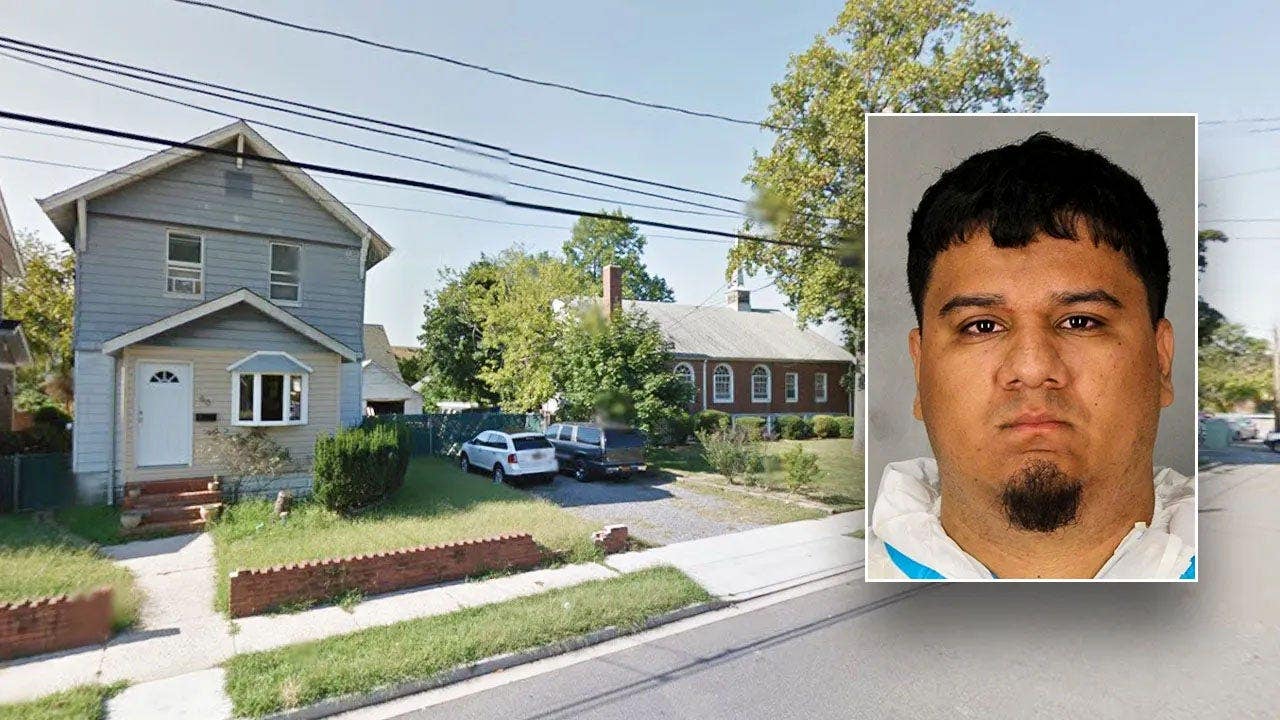
In the quiet early hours of a Friday night in Nassau County, New York, a horrifying tale of sudden violence unfolded, leaving two women dead and a community reeling. At the center of it all was Rony Yahir Alvarenga Rivera, a 22-year-old man who surrendered to police after confessing his involvement in the brutal stabbings. Police reports paint a chilling picture: two senseless killings hours apart, sparked, they say, by raw anger. As investigators pieced together the timeline, it became clear that Rivera’s actions had ripped apart lives in unexpected places—one in the bustling parking lot of a fast-food chain, the other within the supposed safety of a shared home. For the families and friends of the victims, this wasn’t just a news story; it was a nightmare that began innocently enough but ended in unthinkable tragedy. The first victim, a 42-year-old woman who worked hard shifts at a local Wendy’s, was found outside the restaurant around 12:30 a.m., her body marred by multiple stab wounds. Paramedics rushed to the scene, but it was too late—she was pronounced dead right there on Austin Boulevard in North Long Beach. Eyewitnesses might have seen her just minutes earlier, perhaps laughing with coworkers or heading home after a long day, unaware of the looming danger. And Rivera, according to police, knew her well; their paths crossed daily at work, making the betrayal even more personal. As officers scoured the area for clues—a discarded knife, perhaps, or signs of struggle—the atmosphere was tense, with flashing lights cutting through the night and bystanders gathered, whispering in shock. Nobody could shake the feeling that this was no random act; Rivera’s anger had boiled over in a targeted fury.
The Unraveling Confession and Second Horrific Discovery
While the Long Beach scene was still buzzing with activity, Rivera’s trajectory took a startling turn. Hours later, just before dawn, he approached officers on Atlantic Avenue in Lynbrook, openly admitting he had killed someone earlier. It was a moment of surreal surrender, as if the weight of his deeds had forced his hand before he could strike again. Police, sensing the gravity, called in homicide detectives immediately, transforming a routine welfare check into the start of a larger investigation. Rivera, handcuffed and escorted to a patrol car, offered no resistance, his face a mask of spent emotion. But as detectives delved deeper into his statements, chilling details emerged: there was another victim, another apartment, another pool of blood. Back in Valley Stream, just miles away, authorities conducted what was suppose to be a standard check on Mineola Avenue. What they found inside that home—a seemingly peaceful residence where residents shared spaces like kitchens and living rooms but maintained separate bedrooms—was a second horror. A 32-year-old woman lay lifeless, her body bearing the same savage marks: multiple stab wounds to the neck and torso. The time of death was estimated shortly after 3 a.m., right on the heels of the first killing, suggesting Rivera had moved methodically through the night, his rage unchecked. Forensic teams would later confirm the connections, piecing together how he knew both women—one a coworker, the other a housemate, exposing the fragility of everyday relationships. Imagine the dread felt by those waiting in their homes, unaware that danger had invaded their shared living quarters, turning familiar hallways into corridors of fear.
Human Faces Behind the Headlines
To humanize these victims is to acknowledge the lives they lived before that fateful night. The 42-year-old, stabbed outside Wendy’s, was a mother to two young children, a detail that adds unbearable sorrow to her loss. Police officials, still in the process of notifying next of kin, described her as someone who worked tirelessly to provide for her family, balancing shift work with the demands of parenting. Her absence would leave a gaping hole in their world, forcing young minds to grapple with unthinkable grief—bedtime stories untold, school pickups missed, holidays forever changed. The second victim, the 32-year-old, lived in that Valley Stream home, where the dynamics of shared housing meant blurred lines between personal space and communal trust. She might have been dreaming of the future, perhaps planning a career move or spending time with friends, only for everything to end in violence within her own walls. Both women, according to investigators, were known to Rivera, intertwining their fates in ways that speak to the complexities of human connections. Anger, as Nassau County Detective Lieutenant George D’Arienzo succinctly put it, was the motive—a volatile force that escalated from a simmer to a deadly outburst. Yet, beneath the clinical term lies a world of unspoken stories: arguments gone wrong, misunderstandings festering, or perhaps deeper rifts born from economic struggles, immigration stresses, or the isolation that plagues many in today’s fast-paced society. These were not faceless statistics; they were individuals with dreams, heartaches, and loved ones left to mourn in silence.
Broader Implications and Immigration Shadows
As news of the arrests spread, the case quickly morphed into a flashpoint for debates on immigration policy, casting long shadows over the atrocities. Nassau County Executive Bruce Blakeman pointed out that Rivera had entered the United States as an unaccompanied minor, eventually getting permission to stay, framing the killings as evidence of flaws in federal “open borders” approaches. The term “unaccompanied minor” evokes images of vulnerable children traveling vast distances, seeking better lives far from home, only for some paths to lead astray in a new land. Blakenan’s comments resonate with those feeling frustrated by what they see as lax enforcement, where individuals like Rivera—grappling with their own traumas from relocation—might fall through the cracks. Police have been cautious, not publicly confirming Rivera’s exact immigration status, but the accusations linger: had stricter policies prevented this? For advocates on the other side, it highlights the systemic issues migrants face—limited resources for integration, job insecurities, mental health support gaps—that could boil over into rage. In places like Nassau County, a bastion of suburban normalcy, such incidents shatter illusions of safety, prompting residents to question the costs of compassion. Rivera’s story, a young man from afar, now charged with first-degree murder and two counts of second-degree murder, forces reflection: how do we balance humanity with responsibility? The case underscores the human toll of policy battles, where real lives are lost not just to violence, but to inaction, division, and the slow grind of bureaucracy.
Ongoing Investigation and Community Fallout
The investigation into these deaths remains very much alive, with detectives sifting through evidence that could unravel more layers of Rivera’s life and motives. Forensics from both scenes are being cross-referenced—blood patterns, fingerprints, timestamps—all to build an airtight case that will stand in court. Eyewitness accounts from neighbors and coworkers are trickling in, painting a fuller picture of Rivera as someone who seemed ordinary on the surface, perhaps polite at work or quiet in shared living spaces. Yet, beneath that facade, clues of building anger emerge, raising questions about red flags missed or support systems that failed. In North Long Beach and Valley Stream alike, communities grapple with the aftermath: heightened security measures, vigils for the victims, and conversations about personal safety in an era marked by unpredictability. Police urge calm, reminding residents that isolated incidents don’t define a county, but the fear persists. Parents clutch their children tighter, workers eye their surroundings, and the shared spaces of apartment complexes feel less inviting. The fact that Rivera surrendered voluntarily adds a bizarre twist—was it conscience, exhaustion, or an attempt at a plea deal? As trials loom, answers may bring closure to some, but the emotional scars will linger. For the victims’ families, especially the mother with two young kids, each day is a battle to explain the inexplicable, to honor memories without being consumed by bitterness.
Reflections on Anger, Loss, and Society
In summing up this harrowing episode, what emerges is a sobering reminder of how quickly life can spiral into darkness. Rivera’s actions, attributed to unbridled anger, claim two lives and shatter countless others, illustrating the fragility of human bonds. As a society, we’re left pondering: how do we address the root causes—the pressures of migration, economic strife, mental health crises—that fuel such outbursts? This isn’t just a crime story; it’s a narrative of missed opportunities and broken systems. Officials like Blakeman amplify calls for policy reforms, emphasizing border security to prevent similar tragedies. Yet, humanizing Rivera himself requires acknowledging his journey as a former unaccompanied minor, a boy who likely fled hardship only to encounter new struggles. Was integration support lacking? Did cultural dislocations amplify his frustrations? These questions demand empathy alongside accountability. For the victims, their legacies endure through their families’ resilience—the widow mother navigating single parenthood, the lost roommate whose absence haunts shared memories. Communities must heal, bridging divides rather than erecting walls. In the end, this tale of two women, one suspect, and a county in shock highlights our collective vulnerability. Anger unchecked can destroy lives, but so can policies that fail to uplift the vulnerable. As investigations continue, let us hope for justice, healing, and change that honors every life cut short. In this ever-evolving tapestry of immigration and integration, stories like this urge us to listen, act, and humanize—before it’s too late.