


On a cold Friday morning in Michigan, the quiet routine of federal law enforcement was interrupted by an arrest that would send shockwaves through the nation’s capital. Anthony Daniel Palazzolo, a 42-year-old resident of Chesterfield Township, was taken into custody after prosecutors said he threatened to kill FBI Director Kash Patel. The allegations, laid out by United States Attorney Jerome F. Gorgon Jr., describe a series of disturbing Facebook messages sent to an associate of Patel earlier in the month. In those messages, Palazzolo allegedly spoke of targeting the FBI and claimed he had “put a hit out” on the director, using crude and violent language that included calling Patel a “dead mf.” The words were not merely angry outbursts, investigators say; they were part of a broader campaign of intimidation that escalated from online posts to a direct phone call with an FBI agent. In that call, Palazzolo reportedly said he would show up at the Detroit field office and “use deadly force against every single one of you government officials—FBI Secret Service will all be f[——] killed.” The arrest was carried out without incident, but the fear those words had already sparked was real and lingering.
The threats did not exist in a vacuum. They arrived at a moment when public officials, especially those in high-profile law enforcement roles, are increasingly facing hostility from every corner of the internet. Palazzolo allegedly used Facebook as a platform for his rage, sending messages that were explicit, menacing, and intended to terrify. The FBI, understandably, takes any threat against its leadership with the utmost seriousness. Agents moved quickly to trace the messages, identify the sender, and assess whether he posed an imminent danger. The phone call to the FBI agent was particularly alarming because it was direct and personal. Palazzolo did not hide behind anonymity; he allegedly identified himself and made his intentions clear. He spoke of showing up at the Detroit field office, a place where hundreds of agents and support staff work every day, and promised to kill every government official he could find. For the people who heard those words, the threat was not abstract. They had seen similar rhetoric before, in cases that ended in tragedy. The fear was visceral, and the decision to arrest Palazzolo before he could act was both practical and protective.
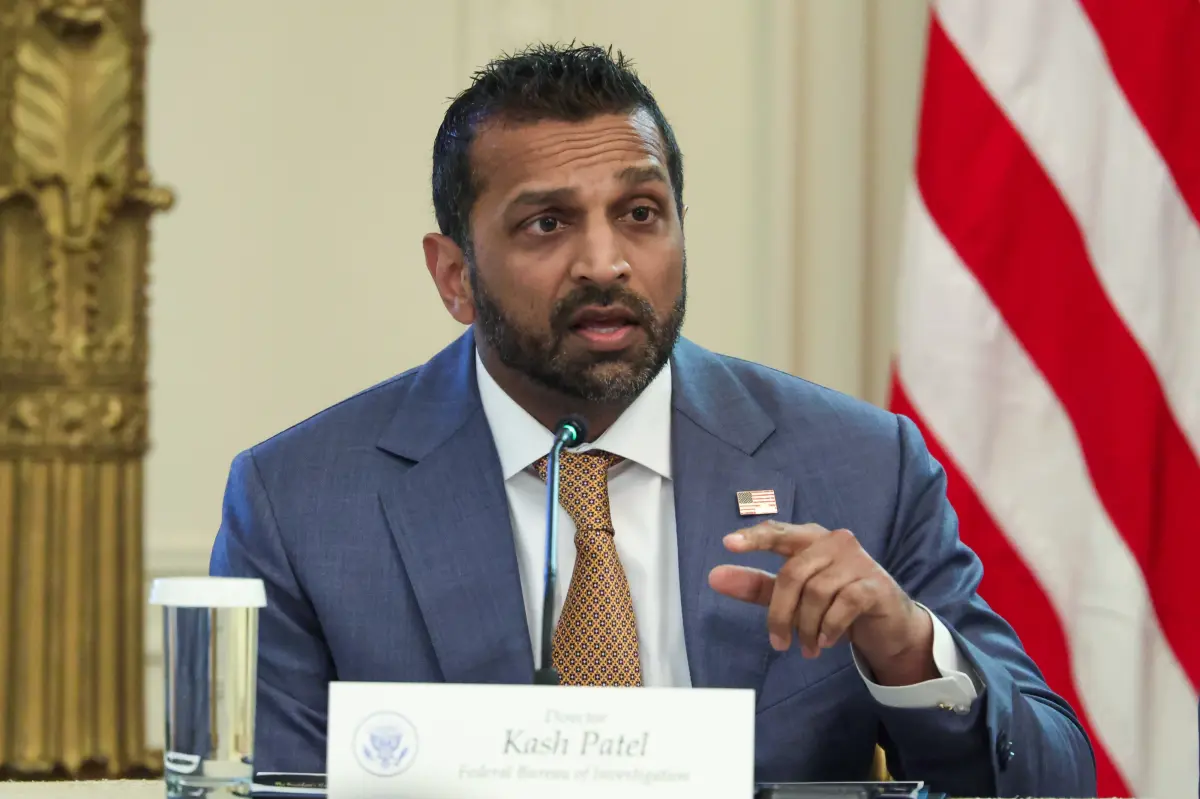
To understand the weight of this case, one must understand the position of the man at the center of the threat. Kash Patel is the director of the FBI, the leader of an agency that investigates everything from organized crime to terrorism to cyberattacks. He represents the federal government’s most powerful law enforcement arm, and threats against him are seen as threats against the institution itself. The U.S. Attorney’s office did not mince words in describing the allegations, calling them serious and emphasizing the need for swift legal action. Palazzolo now faces potential federal charges, and if convicted, he could spend years in prison. But beyond the legal consequences, the case raises troubling questions about the state of public discourse. In an era where political anger can boil over into death threats, the line between offensive speech and criminal behavior is becoming dangerously thin. Prosecutors argue that Palazzolo crossed that line with clear intent. His defense, if he mounts one, may focus on his mental state, his interpretation of his own words, or the question of whether his messages constituted a “true threat” under the law. These are complicated issues, and they will be tested in court.
The arrest has resonated far beyond Michigan, but it also invites us to see the human story behind the headline. Palazzolo is not a faceless villain; he is a man who, at 42, apparently found himself consumed by anger, fear, or perhaps delusion. The messages he allegedly sent were not the product of a calm mind. They were the raw, ugly outpouring of someone who had decided that violence was the only language worth speaking. That does not excuse his actions, but it does raise deeper questions about how a person reaches such a dark place. Was he struggling with mental illness? Was he isolated, radicalized by online conspiracy theories, or overwhelmed by personal failures? We do not yet know. What we do know is that his alleged choices have consequences, not only for himself but for everyone around him. His family now faces the shame and heartbreak of seeing a loved one accused of threatening a national leader. His community in Chesterfield Township must grapple with the fact that one of their own was arrested for terrorizing federal agents. And the FBI agents who read his messages must live with the knowledge that someone was willing to plan their deaths.
In federal court on Friday, Palazzolo appeared before a judge, likely wearing a jail-issued jumpsuit, with lawyers by his side and marshals standing guard. The hearing was brief, but the outcome was significant: he was temporarily detained, meaning he will remain in custody while the case moves forward. For Palazzolo, the future is bleak. He faces the possibility of serious federal charges, a trial, and a long prison sentence. For his family, the arrest is likely devastating—a sudden, public collapse of a life that may have seemed ordinary just weeks ago. For the FBI agents he allegedly threatened, the detention is a relief, but not the end of the story. The psychological impact of being threatened is not erased by an arrest. It lingers in the mind, in the way you check your surroundings, in the way you answer your phone. The legal process will now unfold over the coming weeks and months, with hearings, motions, and possibly a plea agreement. But no matter how the case resolves, the damage has been done. Palazzolo’s name is now attached to a serious criminal allegation, and the people he threatened will not soon forget the fear he caused.
What should we take away from this unsettling episode? Perhaps it is that our institutions, despite their flaws, still work to protect those who serve the public. The FBI did not ignore the threats; it acted quickly, investigated thoroughly, and made an arrest before violence could occur. The court system will now do its part, ensuring that Palazzolo’s rights are respected while the evidence is examined. But the incident also serves as a reminder that words have weight, and threats are never just jokes. The anger that drove a Michigan man to allegedly threaten the FBI director did not appear overnight. It was cultivated in the dark corners of the internet, fed by fear, resentment, and a sense of powerlessness. We may never know exactly what pushed him to this point, but we can hope that his arrest sends a message to others who might consider following the same path. We can hope that it encourages people to seek help before their anger turns into violence. And we can hope that, in the end, justice is served—not only in the form of punishment, but in a renewed commitment to the values of civility, empathy, and humanity that hold our society together.