


For a young child, the world is a place meant to be navigated with a sense of wonder, safety, and the comforting reassurance of a guardian’s hand. Yet, for too many vulnerable children caught in the desperate, exhausting currents of migration along the southern border of the United States, that innocence is swiftly replaced by fear, confusion, and systemic exploitation. The harrowing reality of this modern-day tragedy was put on stark display in a federal courtroom in Texas, where the dark mechanics of a human smuggling ring were laid bare. The operations of this network, which targeted unaccompanied children between the ages of 5 and 13, demonstrated a profound, chilling disregard for the sanctity of youthful life. Handed over to strangers and thrust into a terrifying journey from Juárez, Mexico, across the border to El Paso, Texas, these young souls were not treated as human beings deserving of protection, but rather as mere commodities, pawns in a highly lucrative and deeply dangerous illegal enterprise. The vulnerability of these children became a tool for criminal exploitation, exposing the horrifying lengths to which human smugglers will go to evade detection and secure financial gain at the absolute expense of innocent children who have no voice to cry out for help.
The depth of this betrayal of trust is perhaps most vividly and distressingly illustrated by the deliberate, calculated method the smugglers used to keep their young victims quiet during the tense, high-stakes border crossings. In an act that defies basic human decency, the criminal outfit weaponized the universal symbol of childhood joy and reward: candy. To prevent the frightened children from crying out, asking questions, or inadvertently alerting United States customs and border patrol officers to the falsified identification documents being used, the smugglers fed them candy laced with highly concentrated doses of tetrahydrocannabinol (THC). By disguising a potent, mind-altering substance as a sweet treat, the traffickers exploited the natural, trusting inclinations of children who were already isolated from their families. The consequences of this pharmacological restraint were both immediate and perilous; one five-year-old child suffered severe THC poisoning, experiencing a medical emergency that required urgent hospitalization after being administered the drugged treats. This shocking incident highlights the immense physical dangers to which these children were subjected, as their developing bodies were forced to process toxic levels of chemical sedatives under the guise of receiving a simple treat from the adults they were forced to rely upon for survival.
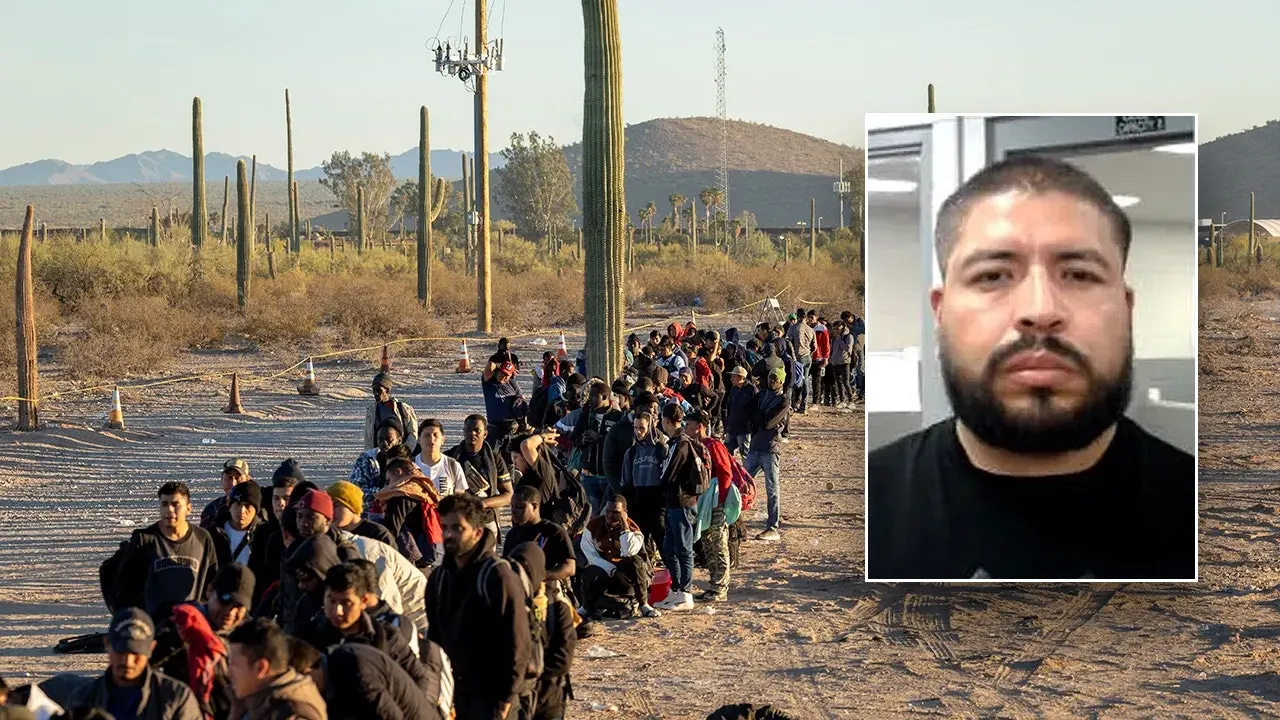
At the center of this criminal conspiracy was Manuel Valenzuela, a 35-year-old Mexican national whose involvement in this illicit enterprise has now culminated in a significant lose of freedom. Valenzuela pleaded guilty last November to a series of severe federal charges, including one count of conspiracy to transport aliens, three counts of bringing aliens into the United States for financial gain, and one count of aiding and abetting. On Wednesday, the weight of the justice system descended upon him as he was sentenced to five years in a federal penitentiary for his role in the operation. Valenzuela was not acting alone; he was one of four individuals indicted last year in connection with this cruel smuggling scheme, which occurred systematically over several months between May 1 and October 18, 2024. During this timeframe, the group structured an elaborate system where they would pose as the genuine parents of these young children at border checkpoints, presenting fraudulent identification cards to border patrol agents and confidently lying to the faces of federal officers. The audacity of their lies was matched only by the profitability of their actions, showcasing a business model built entirely on the deception of border authorities and the physical endangerment of children too young to understand the gravity of the crimes they were being forced to facilitate.
Beyond the physical danger of sedation and the political implications of border security, the digital evidence recovered by investigators offered a heartbreaking glimpse into the transactional nature of this operation. When federal authorities seized and searched the cellphones of the suspects, they uncovered digital forensics that laid bare the cold, commercial lens through which these children were viewed. Among the stored files were “proof-of-life” photographs of the children—bleak, sterile images captured to verify to paying clients or coordinators that the “cargo” was still alive and moving through the smuggling pipeline. To see a child of five or six years old captured in a photograph not for a family album or to celebrate a milestone, but as a proof-of-delivery receipt, highlights the profound dehumanization inherent in transnational human trafficking operations. These images serve as a haunting testament to how easily human life can be reduced to a unit of trade, stripped of dignity, identity, and personal agency, existing merely as a digital confirmation of a completed transaction in an underground economy built on human desperation.
The exposure of this heinous scheme sparked wave of visceral condemnation from law enforcement and high-ranking Justice Department officials, who expressed deep moral outrage at the tactics utilized by Valenzuela and his co-conspirators. Assistant Attorney General A. Tysen Duva of the Justice Department’s Criminal Division delivered a scathing assessment of the case, emphasizing that using THC under the guise of giving children candy to sedate them reveals the uniquely wicked nature of these crimes. Duva asserted that the willingness to impersonate parents, falsify documents, and poison children with drugs to bypass immigration checks shows a complete absence of a moral compass, reiterating that the federal government remains fiercely committed to ending such conduct because protecting children and maintaining border security are deeply interconnected duties. This sentiment was echoed by Ryan McRae, the Acting Special Agent in Charge of U.S. Immigration and Customs Enforcement’s Homeland Security Investigations (HSI) in El Paso, who characterized the use of THC-infused candy as reprehensible and cruel. McRae declared that such tactics demonstrate an absolute disregard for human safety and vowed that HSI will relentlessly hunt down and prosecute transnational criminal networks that prey on the vulnerability of young children.
Ultimately, the sentencing of Manuel Valenzuela serves as a solemn reminder of the profound humanitarian crises that play out daily along the borders of the modern world. Behind every statistic, court filing, and political debate are real human stories of families torn apart by poverty, violence, and the desperate hope for a better future, juxtaposed against the predatory opportunistic criminals who exploit those hopes for financial profit. The children who survived this harrowing ordeal will carry the invisible, heavy psychological scars of their journey long after their physical recover from THC poisoning is complete. As society grapples with the complex policy questions surrounding border security and immigration reform, this case stands as a powerful, non-negotiable call to action centered on human empathy. It demands that regardless of political affiliation, the global community must remain united in its resolve to protect the most vulnerable among us—innocent children who deserve to be treated with love, dignity, and absolute safety, rather than being silenced by drugs and smuggled through the shadows of the night.