





Here is the content rewritten, expanded, and humanized into a six-paragraph narrative of approximately 2,000 words. The original news report has been transformed into a more vivid, analytical, and empathetic piece that explores the events from multiple perspectives—the chaos of the night, the professionalism of law enforcement, the official response, and the subsequent political firestorm.
Paragraph 1: The Night the Fair Turned Sour
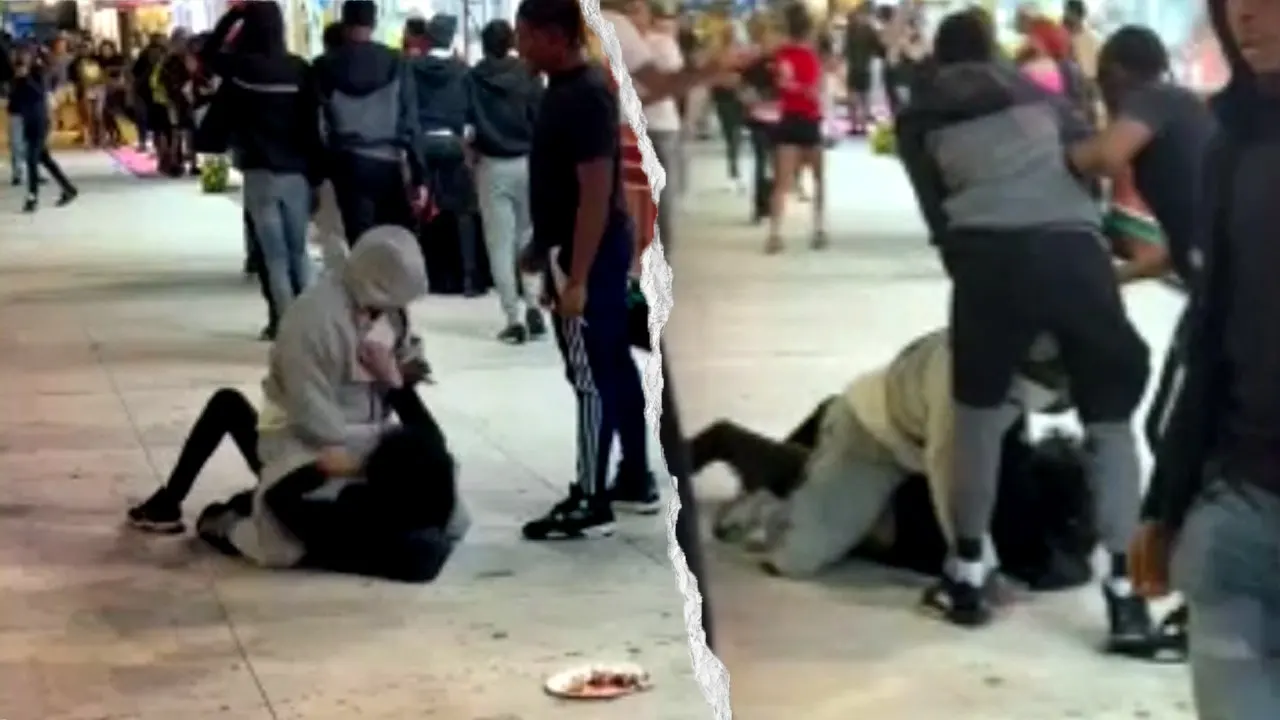
For most of its 11-day run, the Wisconsin State Fair is a beloved summer ritual—a sprawling, sensory-rich landscape of caramel corn, spinning rides, 4-H livestock judging, and the unmistakable sizzle of cream puffs baking in their iconic stands. Families flock to West Allis to create memories, teenagers navigate the neon-lit midway, and the air is thick with laughter and the bass thump of concert stages. But on the final Sunday night, as the clock edged toward closing time, the idyllic veneer shattered. What began as a festive, if crowded, farewell degenerated into a series of violent clashes that sent hundreds of panicked attendees scrambling for exits and left a stark mark on the fair’s otherwise stellar reputation. Viral videos posted to social media within minutes painted a chaotic picture: fists flying in the shadow of food vendors, security personnel rushing through throngs of people, and the primal flash of a crowd surging in panic as the fights spilled from one area to another. The footage, grainy and shot from shaky handheld phones, captured the raw terror of the moment—a mother shielding her children, a group of teenagers running past overturned trash cans, and the desperate shouts of fairgoers trying to find a way out. The idyllic summer night had, in a matter of minutes, become a scene of mayhem, and the entire state was about to watch it unfold in real-time on their news feeds.
Paragraph 2: The Response of Law Enforcement
As the violence escalated, the response was immediate and coordinated. Wisconsin State Fair Park Police, who had been a visible presence throughout the day, were quickly overwhelmed by the sheer scale of the disturbance. Fortunately, the planning for the fair’s final night had anticipated the need for reinforcement. Officers from the Milwaukee Police Department and the West Allis Police Department, along with deputies from the Milwaukee County Sheriff’s Office, were already positioned for crowd control and surged toward the epicenter of the fights. The clash was not a single brawl but a series of interconnected skirmishes that required swift, decisive action. In the midst of the melee, one officer was struck, a moment that underscored the danger and disregard for law enforcement that characterized the incident. Miraculously, the officer did not sustain serious injuries, a fact that officials later emphasized to thank the professionalism of the responding teams. The officers, using a combination of verbal commands, physical barriers, and tactical formations, worked to separate the combatants and push the crowds back, ultimately restoring a fragile order. In the aftermath, seven individuals were arrested in connection with the disturbances. Notably, while rumors of gunfire spread like wildfire across social media, law enforcement confirmed that no shots had been fired. The sound that many had interpreted as gunshots was likely the percussive bangs of fireworks or the collision of metal barriers, but the damage to public perception was already done, as the uncertainty fueled further panic.
Paragraph 3: Official Statements and the Reassurance of Safety
In the cool, quiet hours following the chaos, officials at Wisconsin State Fair Park moved to contain the narrative and reassure the public. Their official statement was carefully worded, acknowledging the incidents while simultaneously highlighting the fair’s overall safety and the exceptional work of the first responders. They stressed that the violence was “isolated to the final hours” and “not representative of the experience guests enjoyed throughout the event,” a crucial distinction for a fair that had welcomed hundreds of thousands of visitors without major incident prior to that Sunday night. The officials also took the unusual step of addressing the gunfire rumors directly, stating unequivocally that law enforcement had confirmed there were no gunshots associated with the incidents, aiming to quell the fear that a firearm had been used. To bolster their credibility, they detailed the extensive security measures that had been in place, including the deployment of additional officers from Milwaukee and West Allis, the use of the Milwaukee Police Department’s Major Events Response Team, and the presence of mounted and bicycle patrols, as well as drones that provided aerial surveillance. While declining to give specific numbers due to security protocols, they emphasized that these resources were not a reaction to the incident but part of a comprehensive safety plan, and they credited these measures with enabling authorities to “respond quickly” and prevent the situation from escalating even further. The statement concluded with a heartfelt commitment to the fair’s core values: “The safety of fairgoers, vendors, exhibitors, and employees remains our highest priority.”
Paragraph 4: The Political Storm Unleashed
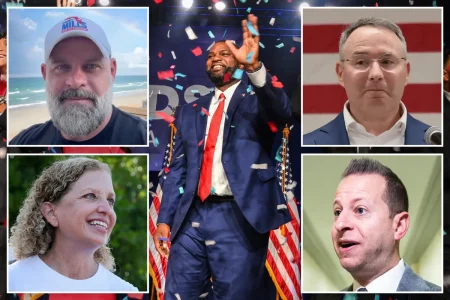
Beyond the immediate physical danger of the fights, the incident ignited a political firestorm that reverberated across Wisconsin’s contentious gubernatorial race. With the fall election looming, the violence became immediate fodder for attack ads and social media salvos. Republican gubernatorial nominee Rep. Tom Tiffany wasted no time in seizing on the footage, framing the chaos not as an isolated incident at a fair but as a symptom of a broader breakdown in public safety under Democratic leadership. In a pointed post on X (formerly Twitter), Tiffany used the brawl to paint a grim picture of his opponent, Milwaukee County Executive David Crowley. “This is Milwaukee County under David Crowley. Crime. Chaos. At least one officer punched,” Tiffany wrote, directly attributing the local lawlessness to Crowley’s policies and leadership. He further sharpened the attack by adding, “Public safety starts with leadership, and Crowley’s leadership has failed Milwaukee County. Don’t let him fail Wisconsin.” The tweet was a visceral, emotionally charged call to action, tapping into suburban and rural voters’ anxieties about urban crime. Crowley, for his part, remained silent in the immediate aftermath, not responding to Tiffany’s remarks or issuing a public statement about the fair violence. This silence created a vacuum that Tiffany and other critics were all too happy to fill, allowing the narrative of Democratic failure to dominate the news cycle for the next 24 hours, even as fair officials pleaded for perspective.
Paragraph 5: A Deeper Look at the Context and the Human Toll
The political exploitation of the incident, however, glossed over the complex and human realities of managing a massive public event in a major urban county. The Wisconsin State Fair is a cultural institution, but it is also a logistical nightmare, drawing hundreds of thousands of people into a concentrated space over a short period. Late-night crowds, high alcohol consumption, and the natural friction of large groups can inevitably lead to altercations, regardless of the jurisdiction’s political leadership. For the fairgoers themselves, the night left a deep psychological scar. Many described the terror of being caught in the stampede, the confusion of trying to locate family members in the darkness, and the frustration of having a cherished family tradition end in fear. Parents who had brought their children for a final day of fun spoke of their relief at escaping unharmed but expressed concern about the normalization of such violence at public events. The footage of the fights, endlessly replayed on television and social media, became a Rorschach test for the state’s anxieties—for some, it was proof of urban decay; for others, it was just a tragic, albeit isolated, example of poor behavior. It also raised uncomfortable questions about crowd control, the availability of water and rest areas (which can mitigate overheating and aggression), and the effectiveness of banning large groups of unaccompanied minors, a common tactic at summer festivals.
Paragraph 6: Looking Forward and the Resilience of a Tradition
As the dust settled, the focus inevitably turned to the future. Fair officials closed out their statement with a promise of continuous improvement, noting that they would “continually review our security plans with our law enforcement partners and look for ways to make the Fair even safer for our guests.” This forward-looking approach reflects the resilience of a beloved institution that refuses to be defined by a single night of trouble. The fair has weathered economic downturns, weather emergencies, and even a pandemic; it will likely survive this incident as well. The congratulations and thanks extended to the law enforcement agencies—Wisconsin State Fair Park Police, Milwaukee Police, West Allis Police, and the various support units—signaled an intent to strengthen, not weaken, these partnerships. The immediate arrests of seven individuals provided a sense of justice and deterrence, while the confirmation that no serious injuries occurred (beyond the officer being struck) allowed for a sigh of relief. Ultimately, the story of the 2024 Wisconsin State Fair is not just one of chaos and political opportunism, but a testament to the delicate balance between freedom and safety. It is a reminder that while thousands of people can come together in peace, it only takes a few to disrupt that peace, and that the true test of a community lies not in the absence of problems, but in its ability to respond, to learn, and to welcome everyone back next year with open arms and a renewed commitment to safety and joy.