


A Shocking Grab in the Shadows of Manhattan
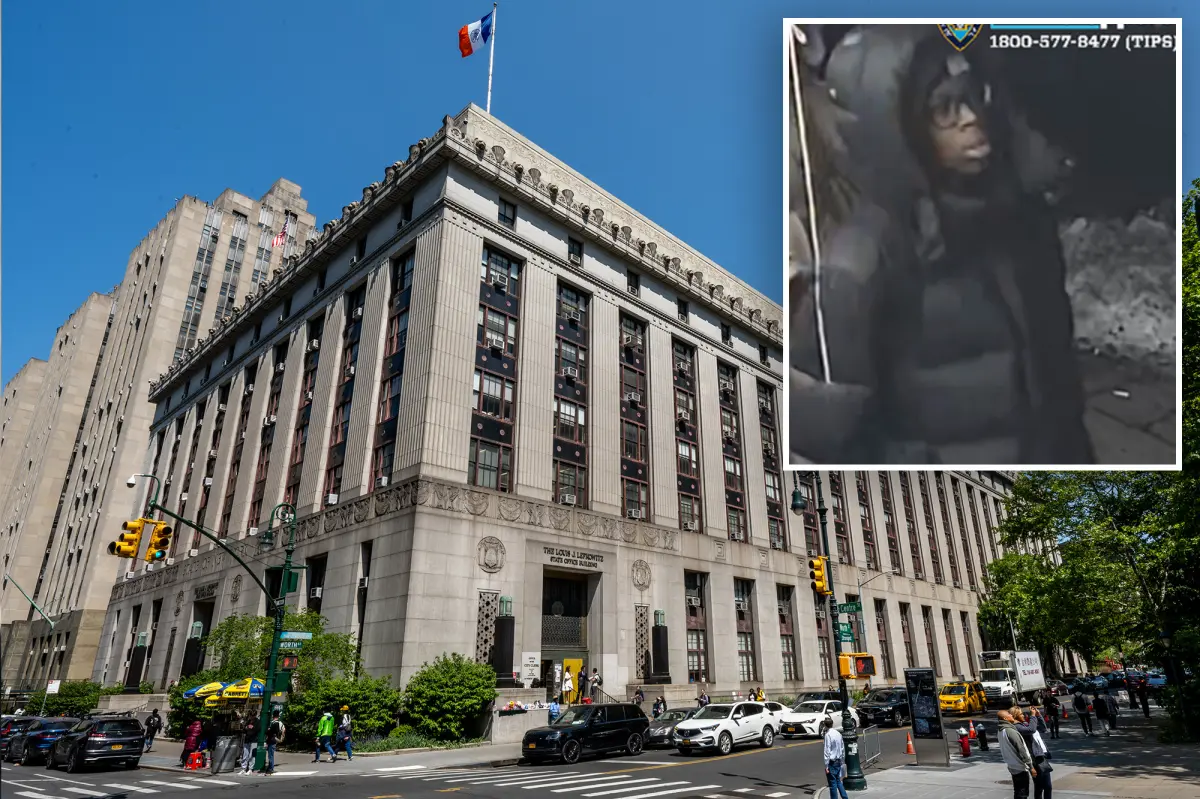
It was just another Tuesday evening in the East Village, that vibrant, eclectic neighborhood where the streets buzz with energy from Broadway theaters to underground art scenes, but on the corner of East 4th Street and Avenue A, around 6 p.m., something ordinary turned into a nightmare for one young woman. Picture this: she’s a 24-year-old Trial Preparation Assistant at the Manhattan District Attorney’s Office, someone who’s proud of her job helping prepare cases that could change lives, putting in those long hours that come with public service. She’s been with the DA’s office for nearly two years now, building a career that’s full of purpose and challenge, working on the front lines of justice in a city that never sleeps. On that chilly night, she’s just walking home or maybe popping into a bodega for a quick snack, her mind probably racing with thoughts of upcoming trials or weekend plans, when out of nowhere, a stranger appears. He darts forward, grabs her cell phone right from her hand, and bolts down East 4th Street, disappearing into the crowd like a ghost. The weird part? She wasn’t hurt physically—just startled, shaken, maybe a bit humiliated that her lifeline to the world could vanish in seconds. In a place as walked-upon as New York, it’s a reminder that even in broad daylight, danger can lurk around the corner. The police released surveillance footage later, showing a guy with glasses, dressed in a black bubble jacket with the hood pulled up tight to hide his face, black pants, and white sneakers, looking every bit like someone trying to blend in but failing under the camera’s gaze. It’s easy to imagine how terrifying that moment must have felt for her; one second, scrolling through messages or checking maps, the next, scrambling to orient herself in a city that can swallow you whole if you’re not careful. No weapons, no threats beyond the sudden yank, but it leaves you wondering about the sheer audacity of it all. And as of now, the suspect is still out there, somewhere in the concrete jungle, maybe regretting his split-second decision or maybe just adrenaline-pumping off it. The DA’s office hasn’t commented, and the victim hasn’t reached out yet—probably still processing, or maybe avoiding the spotlight that comes with working in law enforcement. It’s human nature to cling to routine, to trust that most people are good, but incidents like this chip away at that faith, making every street corner a potential story of loss.
The Hunt for a Hooded Stranger
Diving deeper into the story, law enforcement is piecing together what happened, combing through that surveillance video frame by frame, hoping to spot something—a distinctive walk, a tattoo, anything that could ID this thief. The suspect, as described, is a bespectacled man in that puffy black bubble jacket, the kind you see tourists wearing in winter, hood up to shield against not just cold but prying eyes. White sneakers squeak softly on the pavement as he runs, black pants blending into the urban monotony. It’s almost comical how nondescript he looks, like any commuter rushing to catch a subway—yet here he is, a perpetrator in a petty crime that echoes bigger societal issues. Cops are out there, knocking on doors, checking tip lines, but New York is a labyrinth, with millions of faces and stories intersecting daily. I can empathize with the frustration; as someone who’s lived in Manhattan, I’ve seen petty theft morph into something more, or fizzle out entirely if the timing’s off. For the young woman involved, it’s not just about the phone—though losing that device means losing contacts, photos, maybe even work documents in an era where our lives are stored in pockets. But her not being injured is a small mercy; imagine the adrenaline crash afterward, reporting it at the precinct, explaining to colleagues who might now view her as a target. She put herself out there in public service, entangling with the underbelly of crime as part of her job, only to be victimized on the street. It’s a cruel irony, making you wonder if it’s worth the risk. And the NOPD’s response feels almost routine—surveillance released, but no immediate arrests, leaving her to navigate a world that feels a tad less safe. In human terms, it’s about vulnerability; we’re all just one wrong turn from being that person, phone-less and exposed, relying on kindness from strangers to call it in. The East Village, with its mix of students, artists, and residents, prides itself on community, but these acts shatter that illusion, turning neighbors into potential threats. As the days pass, the story fades from breaking news, but for her, it’s etched in memory, a cautionary tale that amplifies the city’s daily dance between trust and danger.
Piecing Together a Life Interrupted
Getting to know her a bit more through her LinkedIn profile paints a fuller picture—she’s that dedicated 24-year-old assistant, fresh to the DA’s office but already immersed in the grind of trial prep, sifting through evidence, drafting reports, maybe even dreaming of bigger roles in justice someday. Joining almost two years ago feels like yesterday in career terms; she’s probably navigated office politics, learned the ropes from veterans, and built a life around the mission of accountability in courtrooms. But now, this incident throws a wrench in it all. No comment from the DA’s office—protocol, I suppose, to avoid speculation or leaks since she’s an employee. And not hearing from her immediately? That’s understandable; trauma doesn’t follow a script. She might be at home, curtains drawn, trying to shake off the vulnerability, texting friends for reassurance or avoiding the news. Think about it: your job is to combat crime, and here it is, nipping at your heels personally. It humanizes the system; these aren’t faceless bureaucrats but people with stories, families, fears. In the broader context, cell phone robberies are rampant in the city—quick, opportunistic grabs that feed a cycle of petty crime driven by desperation or thrill-seeking. As a community, we shrug and move on, but for victims, it’s a patch of shame, a loss of control. Perhaps she’s reflecting on her routine: walking that route daily, headphones in, world out, until it isn’t. It’s a lesson in mindfulness, reminding us to stay aware, loop keys around fingers or zip up bags tighter. Yet, compassion kicks in—what pressures led that suspect to act? Poverty? Addiction? A bad day spiraling? In truly humanizing this, we see cascades of choices intersecting poorly, turning an ordinary evening into a shared trauma, echoing how interconnected we all are in New York’s melting pot, where one action ripples out to affect countless others. Her story, unpublished till now, reminds me that behind every headline is a person piecing themselves back together, navigating bureaucracy, therapy, and the hope that justice catches up eventually.
A Cop’s Frustrated Outcry Amid Injustices
In the wake of this robbery, one Manhattan cop opened up to The Post with a raw, frustrated take that cuts right to the heart of New York’s uneven justice landscape. “I feel sorry for this guy,” the officer said of the fleeing suspect, “He will probably get the book thrown at him. Meanwhile, the suspects who hit the police officers with snowballs and injured them got a slap on the wrist.” It’s a candid admission from someone on the front lines, where every call shows the double standards that can erode faith in the system. Imagine fielding reports like this daily, securing the city while politicians debate leniency versus punishment. The contrast is stark: a phone grab, street-level theft with potential felonies attached, looms as a serious crime punishable by years inside, versus snowball flinging that drew scrutiny for actually harming officers during a post-blizzard skirmish in Washington Square Park. It humanizes the officer’s voice—tired, disillusioned perhaps, seeing colleagues bruised and the perpetrators walk with just a warning. For the public, it stirs debates on proportionality: is a phone worth as much as physical assault? What about intent or harm? In the cop’s eyes, it’s unfair that street robbers like this thief face harsher fates than those who targeted the police in a playful-turn-deadly moment. It speaks to broader frustrations in law enforcement, where morale dips amid policies prioritizing de-escalation over tough sentences. As a citizen, you empathize; it’s like a game rigged where the rules shift based on who you are. The snowball incident isn’t isolated—late February brought a blizzard, and in Washington Square, chaos erupted as exuberant park-goers pelted cops with snow, injuring some in the fray. The cop’s pity for the robber betrays a humanity in uniform; maybe he sees shared struggles—impulse, regret, the pull of circumstance. It broadens the robbery narrative, weaving in themes of fairness, showing how one event can unearth systemic gripes, making us question if justice is truly blind or just blurry around the edges.
The Snowball Suspect’s Fortunate Slip
Zooming in on that comparison, the first snowball suspect busted was Gusmane Coulibaly, a 27-year-old who found himself in hot water after allegedly launching icy projectiles at NYPD officers in Washington Square Park following a massive late February blizzard. Picture the scene: snow blanketing the iconic park, people reveling in the rare whiteout, kids sledding makeshift hills, adults tossing snowballs in jest. But it escalated; cops, maintaining order, became targets, with some reportedly injured—bruises, stings, perhaps worse from hardened snow packing a punch. Coulibaly was arrested quickly, facing charges that could define his future. Yet, in a decision that sparked outrage, Manhattan DA Alvin Bragg opted not to prosecute on the most serious assault count, citing factors like the playful context or lesser intent. Instead, Coulibaly got supervised release during arraignment—a probation-like deal with oversight, avoiding jail. It’s baffling to outsiders; he walks free-ish, while a phone thief might encarcerate for months. But it humanizes the process: Bragg, under public pressure for reform, leans restorative justice, prioritizing rehabilitation over punishment for minor infractions. For Coulibaly, it might be a lifeline—27 years old, potentially no priors, now reflecting on a dumb impulse amid winter fun that turned confrontational. Imagine his side: caught up in group energy, snow flying, cops intervening, one throw goes awry, and boom—life disrupted. Supervised release means check-ins, counseling perhaps, steering clear of trouble. It echoes broader debates on crime: is snow violence the same as grabbing a device? Empathy for all sides—cops swelling with pride in service, but injured; the suspect regretting a moment’s folly. In New York, where weather unites and divides, this case highlights cultural shifts toward leniency, balancing accountability with second chances, reminding us that behind charges are people with bad judgment, not monsters.
Balancing Harsh Realities and Second Chances
The second alleged snowballer, Eric Wilson Jr., paints another layer of the justice tapestry, charged only with harassment and obstruction of governmental administration after targeting NYPD in that same Washington Square melee. Cut loose in court due to his age and clean record—no criminal history weighing him down—it feels like poetic leniency for youthful indiscretion. Bragg’s office again showed restraint, dropping more severe charges, emphasizing his relative innocence in a blizzard-fueled outburst. For Wilson Jr., it’s a restart button, avoiding a mark that could haunt job applications or leases, teaching a lesson without lifelong scars. Humanizing this, we see a young guy, maybe a student or worker, energized by snow and chaos, cross a line in jest, then confronted with the heavy hand of law. Astute judges and prosecutors weighed his youth as a mitigating factor, underscoring that not all acts demand full force. Yet, the cop’s earlier words ring: why does a phone robber face harsher penalties? In this duality, the system teeters—forgiveness for snow antics, strictness for theft—reflecting societal values where assault on officers tinctures lightly if not egregious. Overall, these cases intertwine with the robbery, exposing inconsistencies; one gets compassion, another likely doesn’t, breeding cynicism. It urges empathy: the thief’s desperation mirrors snowballers’ thrill, all products of environment. For the victimized DA assistant, justice prevails if caught, but stripping autonomy via grab feels graver than playful snow harm. New York mirrors life’s inequities, where outcomes hinge on context, urging reform. In closing, these stories humanize urban strife, blending personal plight with systemic critique, compelling self-awareness amid shared humanity.