

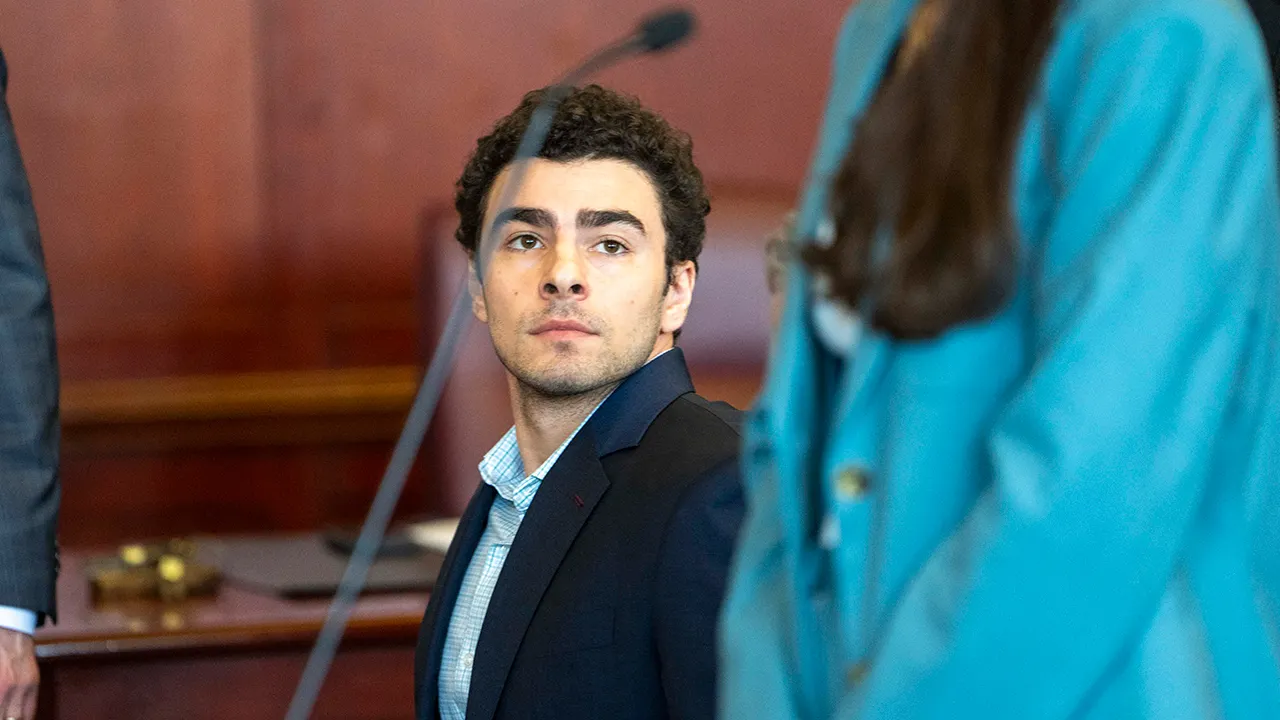
The shocking assassination of UnitedHealthcare CEO Brian Thompson late last year sent immediate shockwaves through the corporate world, the healthcare industry, and the public at large, transforming the subsequent arrest of Ivy League graduate Luigi Mangione into one of the most highly publicized and emotionally charged legal sagas of the decade. As the complex state legal machinery grinds inexorably toward a highly anticipated state murder trial scheduled for September, a fierce constitutional battle has erupted behind the scenes over who will actually be allowed to witness the historic proceedings. Mangione’s lead defense attorney, the seasoned and outspoken Karen Friedman Agnifilo, has filed a provocative court motion arguing that the government’s heavily restricted media access rules violate her client’s fundamental Sixth Amendment right to a public trial. At its core, this dispute highlights a deeply human struggle within the American justice system: the delicate, ongoing clash between a court’s administrative desire to maintain order during a media circus and a defendant’s absolute right to transparent, open justice. For Mangione, a young man whose life collapsed from promising academic and athletic success into the dark, isolated reality of a maximum-security prison cell, the upcoming trial represents the ultimate test of his liberty and future. This makes the transparency of the courtroom a matter of profound existential importance to him and his family. Agnifilo’s filing warns that by restricting the flow of information and limiting the physical presence of independent observers, the court risks transforming a public trial into a closed-door proceeding, quietly undermining the very foundation of constitutional fairness and public trust. This legal chess match is not merely a bureaucratic disagreement over press badges and seating charts; it is about ensuring that the immense power of the state is exercised in the bright light of public scrutiny, rather than the shadows of administrative convenience.
In the detailed and urgently phrased court filing, the defense team laid out three specific, damning objections that they argue collectively amount to a severe and unconstitutional closure of the trial. First and foremost, they challenge the court’s outright refusal to utilize an available overflow courtroom, which is a standard and time-tested practice in high-profile cases designed to accommodate the inevitable surplus of journalists, family members, and concerned citizens who cannot physically squeeze into the main chamber. Secondly, they take direct aim at the arbitrary cap of 68 journalists permitted to cover the trial, raising the alarming prospect that the court and the district attorney’s office are effectively “hand-picking” which media outlets are allowed inside to report on the proceedings. Finally, Agnifilo points out with great frustration that the defense was completely denied the opportunity to be heard or consulted before these highly restrictive guidelines were finalized and implemented by court officials. By shutting out the defense from the decision-making process, the court has allegedly engaged in a unilateral restriction of public access that feels more like authoritarian control than a neutral pursuit of justice. From a human perspective, this creates a profound sense of isolation for the defendant and his family, who must watch the state dictate the terms of public perception from behind closed doors. The defense argues that when the government controls the microphone and unilaterally decides who gets to write the first draft of history from inside the courtroom, the presumption of innocence is quietly but thoroughly eroded before a single juror is even selected.
The bizarre manner in which the defense discovered these restrictive guidelines adds another layer of intrigue and deep frustration to an already tense and fragile legal standoff. According to Agnifilo, her legal team was never officially consulted, notified, or even sent a courtesy copy of the media limitations by the court or the prosecution; instead, they stumbled upon a document titled “Media Access: PSNY v. Mangione” after it was shared by an independent journalist on the social media platform X, formerly known as Twitter. This unexpected revelation was a jarring wake-up call for the defense, exposing a set of rules that dramatically break from customary court practices and historical precedents. Most shocking to the defense was the specific provision that only six journalists would be allowed to cover the crucial phase of jury selection—a stage of the trial where implicit biases are ferreted out and the very foundation of a fair trial is established. The defense argues that such extreme and unexplained limitations on the press during jury selection are “unabashedly arbitrary” and wholly insufficient to meet the rigorous demands of the United States Constitution. For a case that has captured the nation’s collective psyche and sparked intense public debate about corporate healthcare ethics, the idea that a tiny, hand-selected handful of reporters will decide what the public hears during these critical initial moments feels like a betrayal of the open-court principle. It raises the deeply human question of whether the system is prioritizing administrative ease and speed over the painstaking, messy, and public work of ensuring a fair trial for a young man facing the rest of his life behind bars.
In response to what they view as a quiet and dangerous erosion of constitutional rights, Mangione’s legal team is demanding immediate, comprehensive, and public corrective action from the court. They are requesting a formal, public hearing to address these media restrictions openly, rather than through quiet, backroom administrative channels. Furthermore, Agnifilo is demanding that the court turn over the list of the six journalists chosen for jury selection, the list of the 68 journalists granted access to the trial, and a detailed explanation of the criteria and decision-makers behind these selections. To bridge the gap created by the lack of an overflow room, the defense is also pushing for the entire trial to be broadcast live, arguing that modern technology offers a simple, democratic solution to physical space limitations. This demand strikes at the heart of the modern relationship between the public, the media, and the law. In an era where information travels at the speed of light and citizens expect transparency, keeping the courtroom doors physically closed while refusing to open digital windows feels like an archaic exercise in control. For the millions of ordinary citizens who followed the massive manhunt for Mangione and who continue to debate the broader socio-economic undertones of his alleged actions against a powerful healthcare executive, live broadcasting represents the ultimate guarantee of transparency and accountability, ensuring that both the prosecution and the defense are held to the highest standards of truth.
To fully understand the high stakes of this procedural battle, one must look closely at the complex and tragic human element surrounding Luigi Mangione himself. Once a brilliant, Ivy League-educated young man from a privileged and loving background, his life took a tragic, baffling, and highly public turn that culminated in his dramatic arrest for the brazen, cold-blooded slaying of Brian Thompson outside a Midtown Manhattan hotel. The case is incredibly complex, involving not just the upcoming state murder trial in September, but also a federal trial that has been pushed back to next year, leaving Mangione caught in a exhausting multi-jurisdictional legal limbo. Compounding the drama is the recent revelation by the presiding judge that Mangione plans to pursue a psychiatric defense, signaling that the trial will delve deeply into his mental state, his personal struggles, and the psychological factors that may have influenced his actions. This defense strategy requires a highly sensitive, nuanced, and complete presentation of evidence, making the presence of an objective, diverse, and unrestricted press even more vital to prevent sensationalism. A hand-picked media pool, the defense fears, might reduce a complex psychological narrative into sensationalized, black-and-white headlines, stripping away the humanity of a deeply troubled defendant. By fighting for open, unrestricted media access, Mangione’s lawyers are trying to ensure that the public is presented with the full, unvarnished truth of his mental health struggles, rather than a curated, state-sanctioned version of events that ignores his humanity.
Ultimately, the clash over media access in the Luigi Mangione trial is about much more than a single high-profile murder case; it is a critical battle over the future of constitutional rights and press freedom in the digital age. The Sixth Amendment’s guarantee of a public trial exists not for the convenience of the court or the ease of the prosecution, but to protect the accused from secret, state-sponsored tribunals and to assure the public that justice is being served fairly and impartially. When courts restrict access under the guise of security or space limitations, they tread on dangerous ground, potentially setting a precedent that could be used to shield the judicial system from necessary public scrutiny in future cases. As the legal community and the public anxiously await the court’s response to Agnifilo’s motion, the outcome of this dispute will likely reverberate far beyond the walls of this specific courthouse. It challenges us to consider how we balance the dignity of the court, the rights of the accused, and the public’s right to know in a world where the line between news, justice, and entertainment is increasingly blurred. By demanding that the doors of justice be thrown wide open—whether through physical overflow rooms or live digital broadcasts—the defense is reminding us that a truly free society must never allow the pursuit of justice to happen in the dark, and that the constitution must remain robust, even under the pressure of the national spotlight.