


The Blizzard’s Bitter Legacy
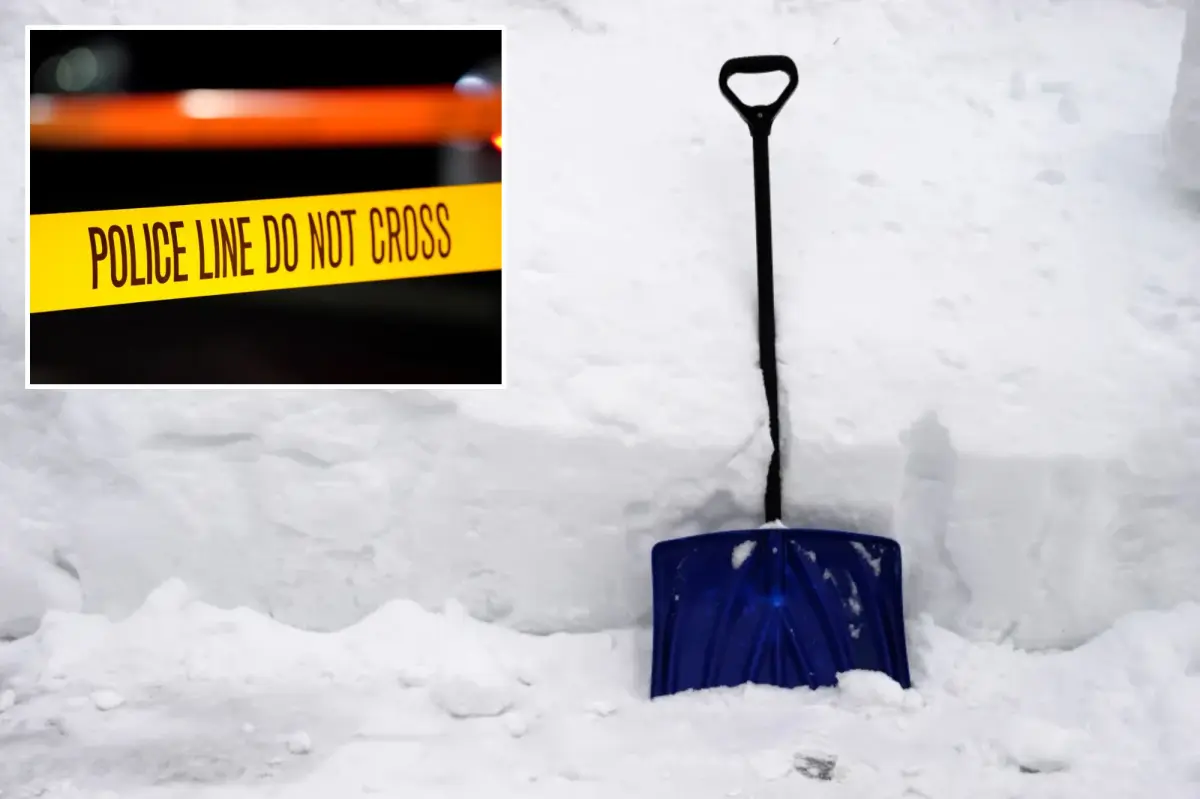
On a crisp Monday afternoon in Deer Park, Long Island, a group of snow shovelers tackled the aftermath of Winter Storm Hernando, one of the fiercest blizzards to hit the region in years. The air was still biting with cold, and the ground was blanketed in over two feet of pristine, powdery snow that had transformed streets into silent, white expanses. These workers, bundled in heavy coats and boots, were hired to clear pathways around a modest housing complex on Parkcenter Drive, chipping away at the relentless accumulation that had crippled the area overnight. As they swung their shovels rhythmically, laughing about the “powwow” they’d never signed up for, one of them struck something unusual—just a mound of snow near a walkway that felt oddly solid. Curiosity piqued, they dug deeper, and what they unearthed chilled them to the core: the lifeless body of a man, partially frozen beneath the drifts. The discovery was gruesome, a stark reminder that not everyone could seek shelter from the storm’s fury. They called 911 immediately, their voices shaky, wondering aloud who this man was and how he ended up there. As they waited for authorities, the shovelers huddled together, the reality sinking in—this wasn’t just about clearing snow; it was about a life cut short in the coldest of circumstances.
The Suffolk County Police Department arrived swiftly, their sirens piercing the eerie quiet. Officers, accustomed to the routine chaos of post-storm scenes, approached with caution, cordoning off the area and brushing away more snow to reveal the full extent of the find. It was around 3:45 p.m. when they made their grim declaration: the man, whose identity remained under wraps as officers prepared to notify his next of kin, was pronounced dead at the scene. Detectives, seasoned by countless investigations, were quick to note that there were no obvious signs of foul play—no visible wounds, no hints of struggle. They believed his death stemmed from non-criminal causes, perhaps hypothermia or an unfortunate accident driven by the elements. Questions loomed: Was he homeless, wandering in the storm without a safe haven? Or had he simply ventured out unprepared, only to be overwhelmed by the brutal cold? The medical examiner’s office promised an autopsy to unravel the official cause, but in the meantime, the air was thick with somber speculation. The shovelers, still present, watched as the body was carefully removed, their tools now idle as they processed the human tragedy unfolding before them. In their recounting to friends and family later, they described the scene not just as cold and stark, but as profoundly sad—a man whose story ended in isolation, buried beneath nature’s unyielding blanket.
This incident unfolded against the backdrop of Suffolk County’s record-breaking snowfall from Winter Storm Hernando, a tempest that dumped unprecedented amounts of white across the region. Deer Park, nestled in the town of Babylon, bore the brunt with 24 inches of snow measured by the National Weather Service by early afternoon—a wall of white that paralyzed communities, snapping tree branches and halting traffic for days. Residents, from families hunkering indoors to businesses shuttered tight, shared stories of the storm’s wrath: families playing board games by candlelight when power flickered out, drivers stranded on highways, and children building snow forts in yards that had become winter wonderlands. For those without homes or support, however, the storm was no festive affair—it was a deadly gauntlet. The man’s death underscored the perils of extreme weather, highlighting vulnerabilities that many ignored until it was too late. As emergency services scrambled to assist those in need, volunteers distributed blankets and hot drinks, bridging the gap where officials couldn’t. This blizzard wasn’t just a meteorological event; it was a test of community resilience, where acts of kindness emerged amid the hardship, reminding everyone that survival often hinged on simple human connections.
Meanwhile, just a short distance away in the five boroughs of New York City, the blizzard’s toll appeared mercifully light. By early afternoon, Mayor Zohran Mamdani addressed the media at a press conference in bustling Brooklyn, his tone of relief palpable. “We are not aware of any deaths related to this blizzard on our city streets or in public areas,” he stated, emphasizing the city’s proactive measures—emergency shelters opened, outreach teams deployed, and public alerts urging people to stay indoors. The mayor’s assurance came amidst a backdrop of bustling civic recovery: plows churning through snow-clogged avenues, residents emerging to clear walkways, and bodegas reopening with steaming coffee and fresh pastries. Yet, beneath the optimism lingered a shadow of recent history, a reminder that nature’s forces could turn lethal without vigilance. Mamdani recounted tales of neighbors checking on the elderly, strangers lifting stranded vehicles, and shelters brimming with warmth for those who sought refuge. It was a narrative of unity in adversity, where the city’s diverse tapestry wove together to face the storm head-on, ensuring that, this time, no lives were claimed by the cold on the unforgiving concrete.
Despite the relief that flowed from Mamdani’s statement, the incident on Long Island stirred echoes of New York’s tragic not-so-distant past. Earlier in the winter, a savage freeze and snowstorm from January 24 to February 7 had claimed at least 19 lives outdoors—15 victims succumbing to hypothermia alone. Homeless individuals, wandering the city’s shadowed alleys and park benches, bore the brunt, their stories of lost dreams and unmet needs hitting hard. Critics had lambasted Mamdani’s predecessor for inadequate response, demanding more shelters, mental health support, and affordable housing to prevent such needless deaths. The current mayor, inheriting this legacy, face public scrutiny to do better. In Deer Park, locals drew parallels to their own underbelly of vulnerability, prompting debates in community forums about aid for the houseless. Volunteers organized fundraisers, advocating for year-round initiatives to combat homelessness, turning tragedy into actionable compassion. These reflections humanized the statistics, revealing faces behind the numbers—mothers, fathers, veterans—whose lives mattered and deserved safeguarding from the whims of weather.
In the end, as the thaw began and life slowly returned to normal, the man’s death became a poignant emblem of winter’s cruelty and society’s responsibilities. His identity, later revealed as a 45-year-old local man with ties to the community, painted a fuller picture: someone grappling with personal demons, perhaps out for a walk that turned fatal in the blinding storm. The autopsy confirmed hypothermia, ruling out foul play and urging heightened awareness. Families mourned in quiet whispers, friends shared memories of sandwiches bought together, emphasizing his quiet kindness. This event, nestled amid the blizzard’s fury, sparked conversations nationwide about resilience, empathy, and proactive measures against isolation’s dangers. From Long Island to New York City, it underscored that while storms may rage, it’s humanity’s warmth that endures, fostering hope that future winters might claim fewer lives and more stories of connection.