





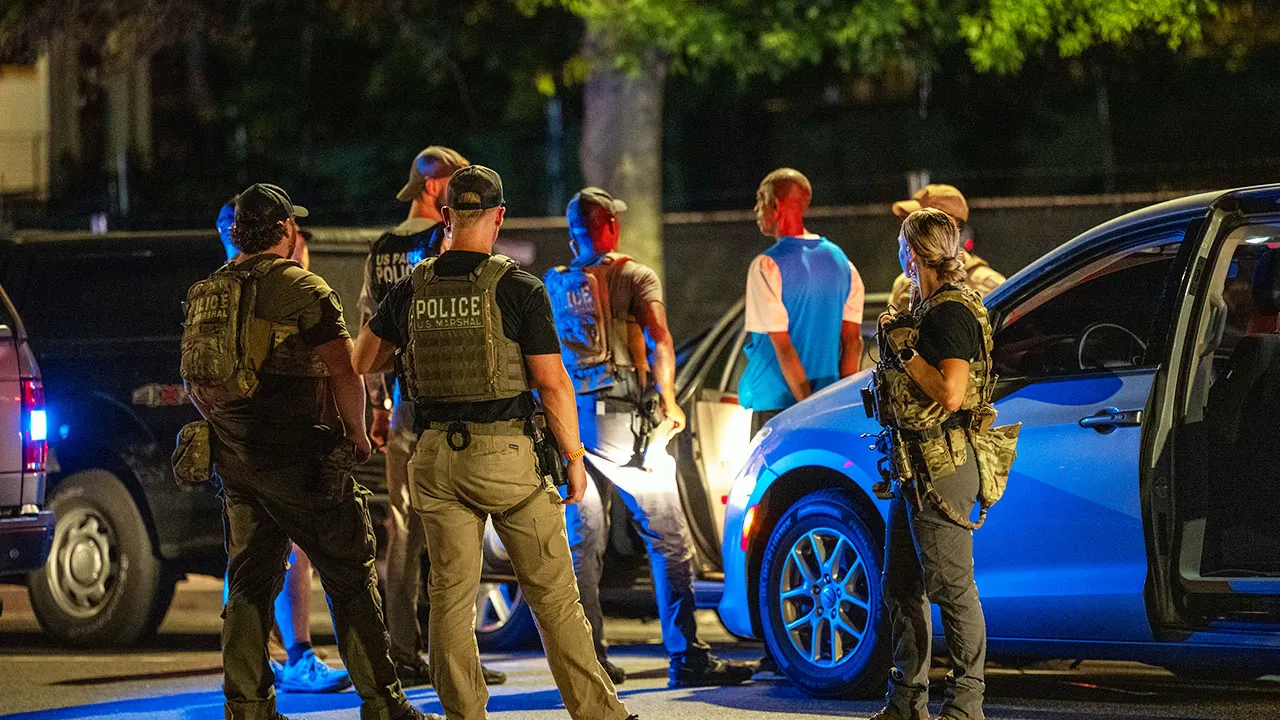
On a chilly Tuesday morning in St. Augustine, Florida, a routine encounter with federal law enforcement took a devastating and fatal turn. Around 6:45 a.m., agents from U.S. Immigration and Customs Enforcement (ICE) and Homeland Security Investigations (HSI) approached a vehicle parked at a local gas station. Inside were four individuals, including a 28-year-old Mexican citizen whose life would end just moments later. As the interaction began, panic seemingly took over, and all four occupants bolted from the vehicle on foot, desperately fleeing into the surrounding area to escape the agents.
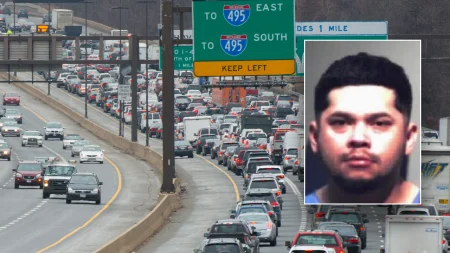
In the chaotic moments that followed, the 28-year-old man ran toward a heavily trafficked nearby road, attempting to cross the busy lanes. Tragically, he ran directly into the path of an oncoming semi-truck. The Florida Highway Patrol reported that the man was struck in the right lane of the highway and sustained fatal injuries, dying at the scene before he could be transported to a hospital. The 64-year-old driver of the tractor-trailer, visibly shaken by the sudden and unavoidable collision, stopped his rig immediately and tried to render aid, but the impact was simply too severe.
This heartbreaking incident does not stand alone; it is part of a deeply concerning and rapidly escalating trend of violence and tragedy during federal immigration operations. Just within the week leading up to this Florida highway fatality, two other men lost their lives during encounters with ICE agents under highly tense circumstances. In Texas, a confrontation turned deadly when a suspect was shot and killed after Homeland Security officials claimed he attempted to ram agents with his vehicle, while in Maine, another man was shot and killed while sitting inside a vehicle during a federal operation.
These back-to-back tragedies have intensified the spotlight on the human cost of immigration enforcement tactics and the immense dangers inherent in high-stress confrontations. When individuals feel cornered by law enforcement, survival instincts often override rational decision-making, leading to desperate flight, high-speed chases, or sudden physical resistance. Such frantic reactions not only endanger the lives of the suspects themselves but also pose severe risks to the law enforcement officers involved, innocent bystanders, and motorists who happen to be in the wrong place at the wrong time.
The immediate fallout from these fatalities has reverberated all the way to Washington, prompting a swift and massive shift in federal immigration enforcement strategy. In the wake of the Tuesday morning tragedy in Florida, the Trump administration issued a directive instructing ICE agents nationwide to temporarily halt most vehicle stops. This major policy pivot represents a rare admission of the extreme dangers associated with intercepting vehicles and suggests a growing institutional recognition that current tactical approaches require urgent reassessment to prevent further loss of innocent life.
Ultimately, the tragic death of the young man in St. Augustine serves as a somber reminder of the fragile human lives caught in the middle of a highly politicized immigration system. As the Florida Highway Patrol continues its investigation into the traffic accident and federal agencies grapple with internal policy reforms, the community is left mourning another preventable loss. True progress will require balancing national security and the rule of law with a fundamental commitment to preserving human dignity and safety, ensuring that routine enforcement actions do not continue to end in senseless tragedy on American highways.