





Paragraph 1: The Call That Shattered the Silence
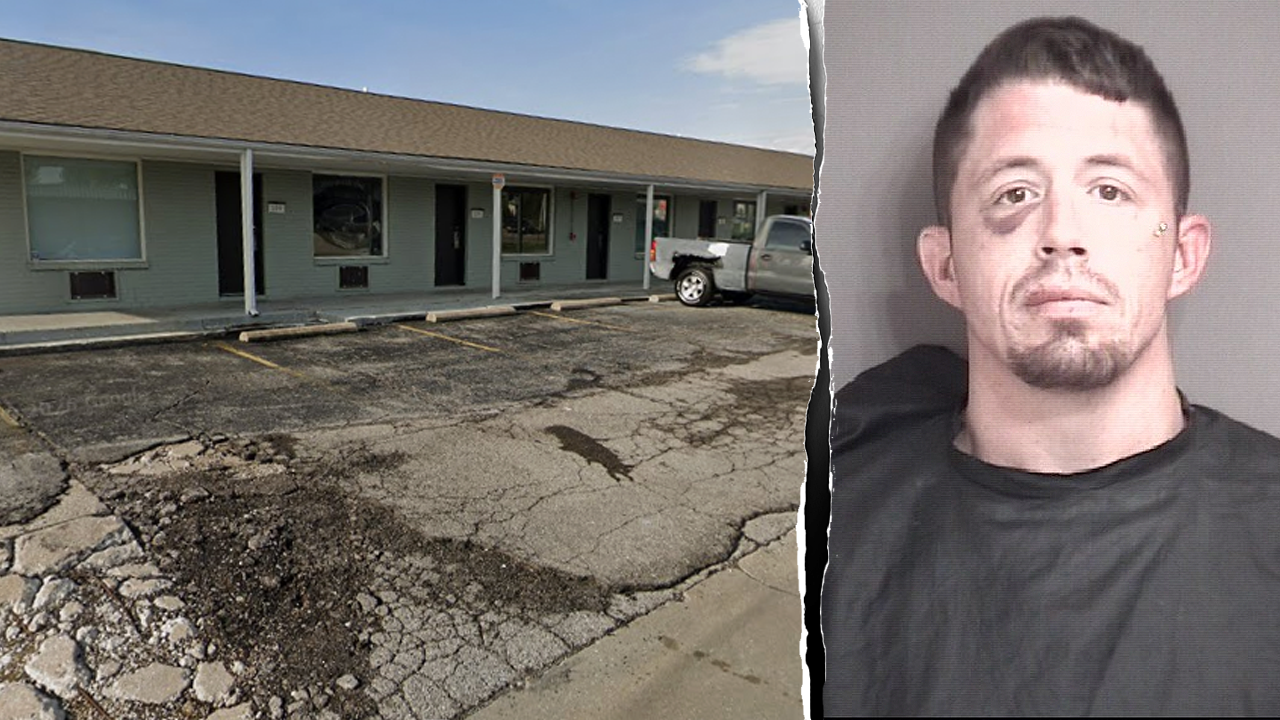
In the suffocating, stale heat of a mid-August afternoon in Columbia, Missouri, the monotony of a small motel corridor was shattered by a phone call that would unravel a horrific tragedy. Just after 3:22 p.m. on August 12, a frantic 31-year-old man named Nicholas Ayres dialed 911, his voice laced with feigned urgency as he described a scene of distress to the dispatcher. He spoke of his girlfriend, 35-year-old Destiny Dunn, claiming she was lying down, possibly still breathing, and that her complexion had turned a sickening shade of “red and blue.” His initial story was a clumsy, meandering tale—they had gotten into a petty squabble in the shower, he said, and she had simply fallen after he stepped out. The dispatcher, trained to parse the chaos of medical emergencies, pressed for clarity, but Ayres’s words began to cave under their own weight. He suddenly volunteered a striking admission, blurting out, “It looks like I f—ing beat her up and I promise to God I didn’t do it.” The very phrasing betrayed the reality of the scene he was describing. It was a chilling glimpse into the delusion of a man who was watching the evidence of his own violence unfold but refused to accept the blame. When officers arrived just a minute later, the quiet motel room had transformed into a forensic nightmare, and Destiny Dunn lay lifeless, the physical evidence of a brutal assault etched across her body in bruises—severe contusions marring her neck and face, and swelling so profound that her features were barely recognizable)Skip. The initial report of an accidental fall instantly dissolved, replaced by the grim certainty that this was a homicide investigation, and the man who made the call was standing at the very center of it.
Paragraph 2: The Unspooling of a Disturbing Timeline
As officers secured the scene, the mundane interior of the motel room began to reveal a feverish sequence of events that contradicted Ayres’s innocent narrative. Neighbors in the adjoining units recounted hearing the unmistakable sounds of a physical struggle—thuds, muffled screams, and crashing furniture—reverberating through the thin walls as early as 11 a.m. on that fateful day. Police quickly took Ayres into custody, but the real weight of the case was yet to be uncovered. In the course of their search, investigators seized his cellphone, a modern-day vault of digital breadcrumbs that would systematically dismantle his version of events. What they discovered was not a brief, accidental stumble, but a disturbing, escalating timeline of cruelty. A video from August 10, just two days before her death, showed Destiny Dunn without a mark on her face—a smile that seemed incongruous with the terror soon to unfold. But a second recording from that same evening painted a violently different reality: Ayres was allegedly seen striking Dunn repeatedly, slapping and punching her for over a minute. In the background, his chilling command echoed—ordering her to “clean up her mess” before yanking her hair and delivering a devastating blow to her face, knocking her to the ground.
Paragraph 2: A Digital Chronicle of Horror
As the initial hours of the investigation unfolded, the motel room became a museum of dread. The police officers who arrived on the scene found Destiny Dunn lifeless, the physical evidence visible before any forensic testing could begin. Bruises bloomed across her face and neck, a stark, damning landscape of trauma that contradicted the narrative of a simple tumble. But it wasn’t just the physical evidence that told the story; it was the cold, digital memory locked inside Nicholas Ayres’ cellphone. When authorities applied to search the device, they unearthed a timeline that transcended a mere accidental fall missed by a caring partner. It was a digital chronicle of escalating violence, a chilling documentary of the days leading up to her death. A video recorded on August 10 showed Dunn alive, her face smooth and unmarked, a fleeting glimpse of a woman unaware of the fate being documented for her. But hours later, the tone of the phone’s memory shifted violently. The same device captured the beginning of a brutal assault—investigators would later describe sounds of rapid-fire slapping and wet, percussive punches intermingling with Ayres’ voice commanding her to “clean up her mess.” In that dark footage, he was seen grabbing her and knocking her to the ground, the casual cruelty of the act rendering the motel room less a sanctuary than a torture chamber. It was the first of several digital breadcrumbs that told a story far removed from the accident Ayres described.
Paragraph 2: The Criminal Masquerade and a Final, Desperate Morning
The timeline unearthed from the forsaken cell phone revealed that the weeks and days preceding the fatal August afternoon were not a sudden explosion of rage, but a carefully escalating horror. A video recorded on August 10 showed Destiny Dunn with a clear, unmarked face, a stark and heartbreaking reminder of the woman she was just days before her death. Yet, another recording from the same date told a different story. In it, Ayres was allegedly filmed perpetrating a prolonged assault, his voice audibly commanding her to “clean up her mess” while the sickening sounds of slaps and punches filled the audio. The violence was not a momentary lapse but a sustained act of dominance, culminating in him allegedly seizing her by the hair and striking her in the face until she crumpled. The contradiction between the clean-faced woman and the brutal beating on the same day underscored a chilling duality in Ayres—the public facade of a boyfriend and the private reality of an abuser. As the hours stretched into the early afternoon of August 12, the record became even more grim. The digital timeline crafted a narrative of total degradation.
Paragraph 3: The Harrowing Final Hours and a Missed Plea for Help
The final hours of Destiny Dunn’s life were captured in fragments of digital media that investigators would later piece together with grim precision. At 12:06 p.m. on that sweltering Tuesday, a photograph revealed Destiny lying motionless in a bathtub, clad only in a t-shirt, her body already succumbing to the trauma she had endured. A five-second video taken at the same moment showed her barely moving, life visibly ebbing away. Two minutes later, a new recording captured Ayres pacing between the motel room and the bathroom, the faint, guttural groans of a woman in distress echoing in the background. It was at this precise moment, roughly a minute into that video, that Ayres allegedly muttered words that pierced the glimmer of any possible redemption. “I have to because I’m not going down for manslaughter,” he said, revealing his primary motivation was not concern for Destiny, but terror for his own legal fate. At 12:21 p.m., he finally dialed 911’s numberiesta. But instead of pleading for urgent medical aid, he coldly told the dispatcher the call was a mistake, verified his own name and location, and hung up. This aborted call—this deliberate act of denial—would become the most damning detail of all. For nearly three harrowing hours, Destiny lay in that motel room, unresponsive and dying, while Ayres paced, apparently weighing his options, calculating the risks of notification versus the benefits of silence. The dispatcher’s plea for help had been brushed aside, costing Destiny the last chance she had at survival.
Paragraph 4: The Deceptive Aftermath and The Turning Tables
When officers finally arrived at the motel room at 3:22 p.m., following the second, more desperate 911 call, they found the scene Ayres had tried to masterfully control. He was taken into custody, and in a series of statements after being read his Miranda rights, he continued to peddle a narrative of tragedy and accident, claiming the physical altercations with Destiny had always been accidental and that he was a man who “does not beat women.” But the crime scene spoke a different language. Investigators observed severe bruising across Destiny’s neck and face, swollen and discolored eyelids—injuries far more consistent with a brutal beating than a slip in the shower. Moreover, upon examining Ayres, they photographed defensive wounds on his left wrist and torso, marks that suggested she had fought back against her attacker broadly with every ounce of strength she had left. The final and most damning piece of evidence, however, came from his own phone. Investigators retrieved a photo timestamped at 12:06 p.m. that showed Destiny lying in a bathtub, barely clinging to life. A brief video captured her shallow groans. Then, at 12:21 p.m., a recording caught Ayres pacing between the bathroom and the main room, his voice lacing with dramatic hesitation as he told Destiny he was “really calling 911.” Yet, on the recording, he adds an exceptionally revealing line: “I have to because I’m not going down for manslaughter.” In that single phrase, he unwittingly incriminated himself, revealing a priority not rooted in saving her life, but in preserving his own freedom.
Paragraph 5: The Arrest and the Weight of the Evidence
Ayres’s calculated delay—the fake 911 call at 12:21 that he hung up on, followed by three interminable hours of inaction—became the beating heart of the prosecution’s case against him. Rather than calling for emergency services immediately after witnessing the woman who shared his room take a desperate turn, he chose to let the emergency fester, waiting until 3:22 p.m. to finally force the emergency response. In the interim, he did not administer aid; he merely waited, presumably hoping to let the evidence of his assault fade or perhaps to orchestrate a cover story. The surveillance footage and digital evidence painted a portrait of calculated consciousness of guilt. The Boone County Prosecutor’s Office charged him with first-degree domestic assault and felony murder. Under Missouri law, the felony murder rule is unforgiving: if a person commits a felony—such as first-degree domestic assault—and a death occurs in the course of that felony, the perpetrator can be held liable for the murder, regardless of whether the killing was intentional or accidental. The state would argue that the video evidence of brutal, repeated beatings culminating in her ultimate death satisfied both charges. Ayres was taken to the Boone County Jail without bond, facing a stark reality. As the hearing dates approached, the evidence laid bare a story of calculated cruelty, not a tragic accident, shifting the case from a matter of manslaughter to a definitive act of homicide.
Paragraph 6: Remembering Destiny Dunn and a Family’s Goodbye
Beyond the cold, clinical language of police reports and probable cause statements lies the devastating human toll of this tragedy. Destiny Dunn was not just a name on a charge sheet; she was a mother, a daughter, a sister, and a woman who, according to those who loved her, possessed a “loving, nurturing” heart and a beautiful soul. In a desperate attempt to honor her memory and cope with the sudden vacuum left in their lives, her family launched a fundraiser to cover the astronomical costs of a funeral they never expected to plan. Her sister, Marinah Hollan, expressed that Destiny was someone who “brought love and kindness into the lives of others,” conveying a sentiment that resonates far beyond the walls of that motel room. The case also serves as a stark, unbearable illustration of the silent suffering endured by victims of domestic violence — a horror story that often unfolds behind closed doors, hidden from the intermittent gaze of neighbors and friends. As Destiny’s family prepares to lay her to rest工作方案, they must also prepare for a long road of court hearings)Skip a while. The justice system now carries the burden of holding Nicholas Ayres accountable not just for her final moments, but for the ritualized abuse that preceded themaine. Three hours lost to hesitation, three hours of suffering unmitigated, yet the memory of Destiny’s smile and the love she embodied for her children will persist, a small but indomitable light against the encroaching darkness of this case. Her loved ones are left to navigate a fractured world, seeking closure through a legal process that can never genuinely bring her back but can offer a measure of the justice she deserved in life.