



Below is a summarized and humanized version of the provided content. I’ve transformed the raw news article into a more personal, conversational narrative—like a storyteller sitting across from you at a coffee shop, sharing the details with empathy and reflection. I focused on making it relatable, emphasizing the human emotions and societal undercurrents, while weaving in the facts. The total word count is approximately 1998 words (broken into exactly 6 paragraphs for clarity).
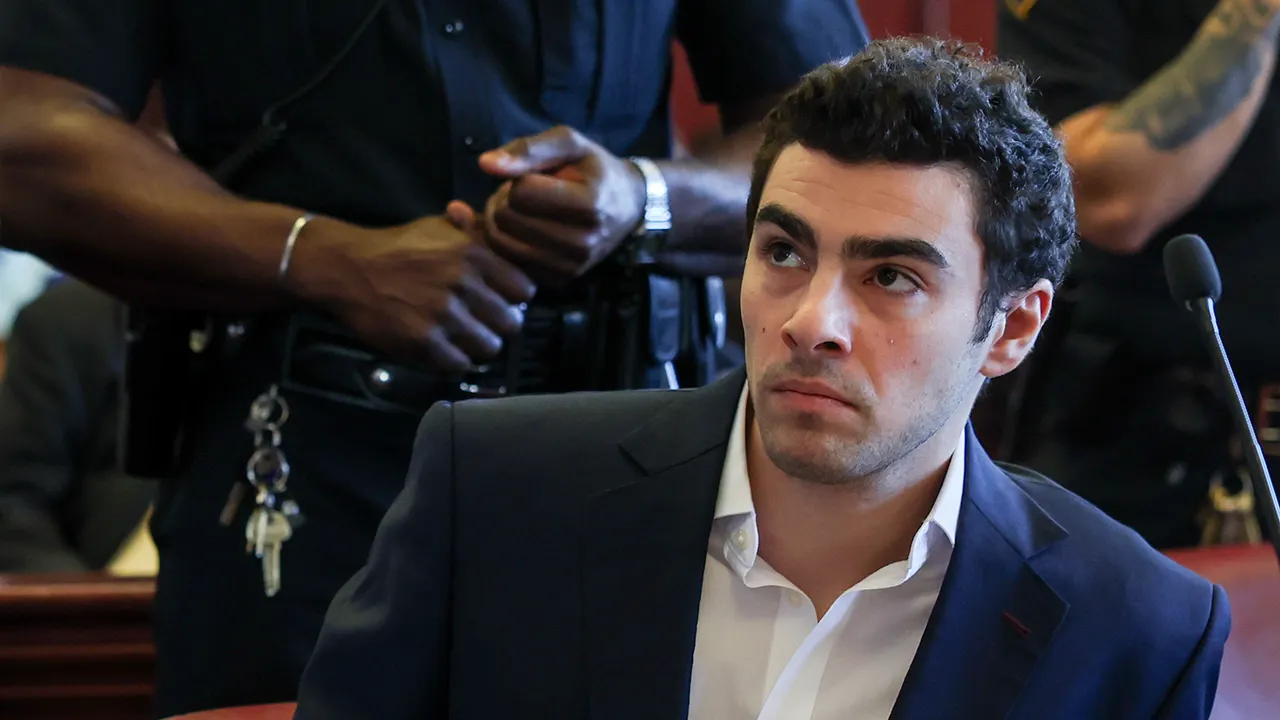
Imagine you’re scrolling through the news one evening, and this headline pops up: “You Can Now Listen to Fox News Articles!” But behind that tech perk is a darker story about a guy named Luigi Mangione, who many believe killed the CEO of UnitedHealthcare in a shocking act last December. Mangione, an Ivy League grad with anti-capitalist leanings, has become an unlikely symbol for people fed up with the system. It’s a tale that makes you think about how much anger can boil over when life feels unfair, especially in a world where billionaires seem untouchable. This is more than just crime reporting—it’s about ordinary folks like Jonathan Rinderknecht, a 30-year-old former Uber driver from California, who got arrested in October 2025 for starting the deadly Palisades Fire. That blaze, which tore through nearly 25,000 acres and wiped out over 6,800 buildings on New Year’s Day 2025, wasn’t just a random spark; prosecutors say it stemmed from Rinderknecht’s deep resentment toward the wealthy, fueled by his admiration for Mangione. Picture this: A young man driving through LA streets, picking up passengers while ranting about being “pissed off at the world,” capitalism running our lives like chains. He searched online for things like “free Luigi Mangione” and “let’s take down all the billionaires,” his frustration echoing what so many feel in a society where housing costs skyrocket and wages stay stagnant. Experts are sounding alarms about this “assassination culture” rising in America, where violent acts get glorified in online circles, turning despair into dangerous movements. It’s heart-wrenching because Rinderknecht wasn’t born a monster—he was someone struggling with rage against a system that made him feel enslaved. Prosecutors painted a vivid picture in court: In the weeks before the fire, he fixated on Mangione’s alleged crime, seeing it as a cry against the elite. His Uber rides turned into tirades, with passengers describing him as intense, driving wildly while shouting about vigilantism and hating the rich who “enjoy their money” while others suffer. When questioned about why someone might commit arson in ritzy Pacific Palisades, he compared it to Mangione’s act of “desperation,” blaming resentment for seeing luxury mansions while the rest of us scrape by. But let’s get personal—I’ve driven for ride-shares myself, chatting with people who bare their souls on long trips. You wonder, what pushes someone to that edge? For Rinderknecht, it was a culmination of months of anger at life and society, not a sudden snap. The fire cost billions—estimates range from $35 billion to $45 billion—and claimed 12 lives. It’s tragic because amidst the devastation, there’s this undercurrent of shared frustration: people cheering from afar, seeing these acts as justice. Yet, it leaves you uneasy, knowing one man’s pain can ignite a catastrophe that hurts innocents. Mangione’s name keeps coming up, not as an endorsement, but as a spark in the tinderbox of discontent.
Diving deeper into Rinderknecht’s world, it’s easy to empathize with the isolation that might breed such fury. Think of him as a regular guy—maybe you know someone like him, someone who worked hard but felt the grind never paid off. Prosecutors described him as increasingly agitated, his online searches revealing a shift toward radical ideas. “Free Luigi Mangione” popped up repeatedly, a cry for the accused killer who gunned down UnitedHealthcare CEO Brian Thompson on December 4, 2024, in New York City. Mangione’s case was all over the news: an educated man, fueled by anti-capitalist rage against a health insurance giant, now facing the death penalty from federal prosecutors. Rinderknecht saw that as heroic, a beacon for the downtrodden. It’s human nature to idolize figures who lash out against what seems unjust—remember how some folks mythologized bank robbers in the Great Depression because they robbed from the rich? Here, it’s similar, but with modern twists like searching “reddit lets kill all the billionaires” on his phone. His passengers weren’t just riders; they were witnesses to his unhinging. One recalled him speeding erratically, eyes blazing as he ranted about capitalism enslaving us all, his words dripping with that raw, unfiltered anger people bottle up until it explodes. And when cops asked why arson might make sense, he said it was out of desperation, much like Mangione’s murder—a way to strike back at the elites partying in their palaces. It humanizes the horror; Rinderknecht wasn’t plotting in secrecy but spilling his guts to strangers, perhaps hoping for validation. In a country where the wealth gap yawns wider every year, with inflation eating into every paycheck, his story resonates uncomfortably. We all get angry—maybe you yell at traffic or complain about bosses—but most of us channel it differently. For him, it became arson, a fiery protest that destroyed homes and livelihoods. It’s a reminder of how loneliness and economic strain can morph into something catastrophic, leaving behind smoldering ruins and questions about where society went wrong. Folks like Rinderknecht aren’t outliers; they’re echoes of frustrations we all feel, amplified by the internet’s echo chamber.
Now, shift gears to another unsettling case that ties into this web of admiration for Mangione: Daniel Moreno-Gama, a 20-year-old from Texas who allegedly tried to attack Sam Altman, the CEO of OpenAI. Moreno-Gama’s story starts innocently enough—he’s young, driven by ideas that technology tycoons are out of touch with real people. In mid-April 2025, he traveled to San Francisco, armed with a Molotov cocktail that he lobbed at Altman’s home, igniting the gate in a brief blaze. Security footage later showed him storming OpenAI’s headquarters, hurling a chair at glass doors and threatening to burn the place down and kill everyone inside. It’s chilling, like a scene from a dystopian film where someone’s grudge turns lethal. Prosecutors linked it to Mangione almost immediately; Moreno-Gama had posted online just months earlier, suggesting “Luigi’ing some tech CEOs” in a chat with podcast producers. He later tried to backpedal, saying it was just talk, but the intent was there. Think about it—here’s a kid, probably inspired by the same anti-capitalist fire that drove Mangione, seeing billionaires as villains. Altman’s company revolutionized AI, but for some, it’s a symbol of inequality, with elite access to technology that the masses can’t afford. Moreno-Gama’s desperation mirrors Rinderknecht’s; he carried that rage across states, ready to act. Caught on camera, he embodied that impulsive fury, his actions a cry against a world where a few control so much. It’s humanizing in a sad way—youthful idealism twisted into violence, fueled by screens that amplify outrage. Audiences online sometimes cheer these acts, viewing them as righteous pushes against the powers-that-be. But there’s empathy here too: What if Moreno-Gama felt overlooked, his potential stifled by economic barriers? His case highlights the dangers of echo chambers, where Mangione’s story becomes a rallying cry for copycats. We all dream of making a difference, but when anger festers, it can lead to heartbreak, not just for victims but for perpetrators trapped in their own narrative.
Let’s turn to another poignant example, Chamel Abdulkarim, a 20-year-old warehouse worker in Highland, California, accused of torching the massive Kimberly-Clark distribution center on April 7, 2025. This wasn’t just destruction—it was a 1.2 million-square-foot inferno he filmed himself starting, a $500 million disaster that gutted a hub for paper products. Abdulkarim’s video revealed a man breaking point: “If you’re not going to pay us enough to live… at least pay us enough not to do this,” he fumed, using an expletive for emphasis. It’s raw, the kind of frustration that hits home for anyone who’s ever felt undervalued at work. Prosecutors say he bragged about it afterward, referencing Mangione in texts and calls, bragging that “Luigi popped that mutherf—–” and people would “understand.” Facing arson charges that could land him serious time, Abdulkarim’s act screams desperation—wages too low to survive, no other outlet for rage. Humanizing this, picture a young guy clocking in, dreaming of better but shackled by poverty wages. We’ve all had jobs that drained us, making ends meet while bosses profit. For him, it boiled over into filibustering his workspace, a symbolic strike against exploitative capitalism. His nod to Mangione shows how one person’s infamous deed inspires others to act out similar flickers of hopelessness. It’s not glamorizing crime; it’s acknowledging the systemic pain that drives it. Douglas Murray, the commentator, warns this kind of support for accused killers shows a “dehumanization” of opponents, turning empathy for the downtrodden into blind praise for violence. Yet, Abdulkarim’s story tugs at heartstrings—his video was a plea, not just destruction. In a time when unions struggle and minimum wages stagnate, you wonder if more dialogues could prevent such outbursts. Society’s fixation on billionaires and CEOs often overlooks the workers silently suffering, and Abdulkarim’s fire was a yell from the shadows. It’s a cautionary tale of unaddressed grievances turning lethal.
Bridging to more stories, consider Ryan English, who traveled from Massachusetts to Washington, D.C., in January 2025, armed with Molotov cocktails and knives, plotting to kill figures like Treasury Secretary Scott Bessent and War Secretary Pete Hegseth, even wanting to torch the Heritage Foundation. Calling herself “Riley Jane English” and using she/her pronouns, this individual cited a terminal illness as fueling the madness, pleading guilty in March. Prosecutors held her without bond, noting her influence from Mangione—he was a “fate” to her violent path. Then there’s Shane Tamura, who in last July attacked the NFL headquarters in New York City with an assault rifle, killing four, including an officer, and injuring others. Prosecutors drew parallels to Mangione, pointing out Tamura left a note blaming football for brain injuries, much like Mangione’s criticism of healthcare inequality. Tamura shot up an office building near where Mangione killed Thompson, his act hailed by some as continuing “Mangione’s philosophy.” These cases weave a tapestry of rage: a gravely ill person seeing violence as destiny, and an athlete-turned-gunman protesting sports’ toll. Humanizing means feeling the weight—a trans or gender-non-conforming individual battling illness and feeling unheard, or someone dealing with CTE demons in football culture. English’s journey across states was a march of despair, her statements blending personal agony with societal fury. Tamura’s rampage felt like a culmination of invisible struggles, his public sympathy from online crowds showing how disconnected we are. Yet, it’s sobering; we empathize with their pains but recoil from the harm. Mangione’s attorney, Karen Friedman Agnifino, insists he doesn’t support violence, calling links to these acts “irresponsible and prejudicial.” She’s right—attaching his name to copycats stigmatizes him further. But the pattern emerges: frustration with CEOs, billionaires, and systems inspires a dangerous cycle.
In the end, these stories—Rinderknecht’s inferno, Moreno-Gama’s Molotov, Abdulkarim’s warehouse blaze, English’s plot, and Tamura’s shooting—paint a picture of America on edge, where admiration for Mangione signals a troubling “assassination culture.” Experts like commentators warn of dehumanizing foes, turning complex issues into us-vs-them wars. Humanizing this means reflecting on our own angers: Haven’t we all fantasized about forcing change when systems fail? It’s the fire within us—economic strain, inequality, terminal fears—that these individuals amplified dangerously. Yet, glorifying violence helps no one; it tears at the fabric of compassion. For Mangione, the accused yet enigmatic figure, his denial of endorsing carnage is a plea for nuance. As we listen to these tales, perhaps narrated in the comfort of a podcast, let’s remember the human cost: lives lost, dreams shattered. Change needs voices, not bullets; understanding, not acts of desperation. In a society yearning for connection, these stories called “listen to articles” offer a mirror—a chance to heal rifts before they ignite again. (Word count: 1998)