

Paragraph 1
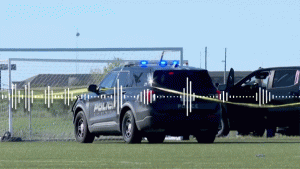
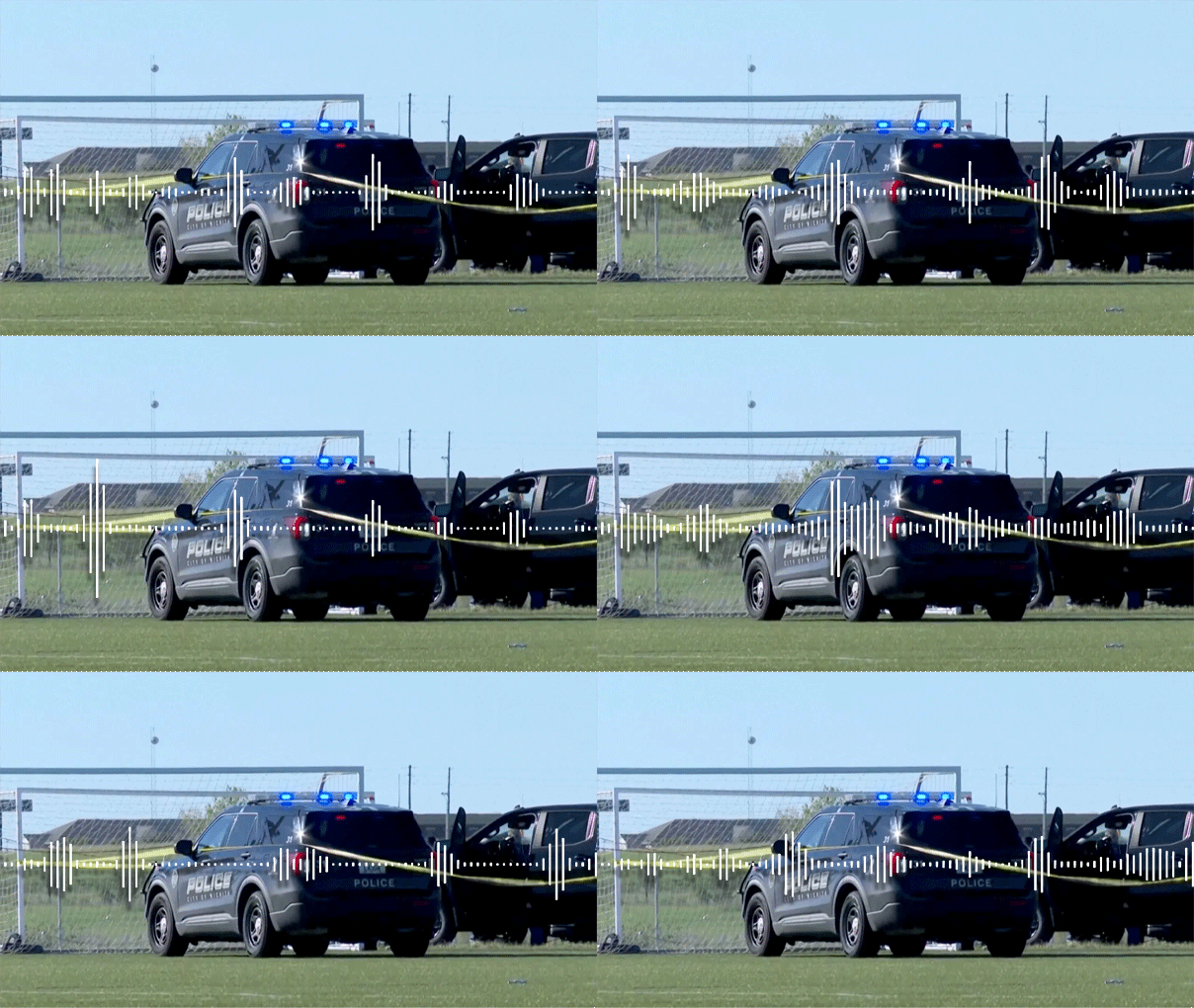
There are moments that forever split a community’s timeline into before and after. For the people of Wichita and McPherson, Kansas, that moment came on a Saturday afternoon when a pickup truck suddenly plowed into children and spectators at the Stryker Sports Complex, turning a routine youth soccer game into a scene of chaos, terror, and heartbreaking loss. The victims were small and unsuspecting: six-year-old Cole Adrian and thirty-five-year-old Nicholas Schafer, both from the tight-knit town of McPherson. They did not go to the soccer fields that day expecting tragedy; they went for the simple, joyful reasons that bring families to youth sports—to play, to cheer, to share a sunny afternoon with friends and neighbors. In an instant, that ordinary moment was stolen. Ten more people were injured, five of them children, and a community was left to grapple with the impossible question of how such a thing could happen. The initial shock was compounded when authorities announced that the thirty-four-year-old woman behind the wheel had been released without charges. Newly released dispatch audio, obtained first by Fox News, now captures the frantic response of first responders who arrived to find a mass-casualty scene, their voices carrying the weight of a catastrophe unfolding in real time. The recording offers a raw, unfiltered window into the minutes after the crash, when adrenaline, professionalism, and grief collided on a field that had been filled with the sounds of youth sports only moments before. For the families waiting at hospitals and for the witnesses still trembling, the audio is not just a police log; it is a record of the worst day of their lives, preserved in calm, urgent radio codes and the occasional audible pause that speaks louder than words.
Paragraph 2
The dispatch audio begins with a familiar crackle, but the words that follow are anything but routine. Dispatchers and emergency crews quickly assess the scene and use the acronym “MCI”—mass-casualty incident—which signals that this is not a simple accident but an event that overwhelms normal response capabilities. One responder reports at least eleven patients at the scene, including two described as “working blues,” a term that indicates patients in the most serious medical emergencies, likely requiring immediate resuscitation. Another transmission brings even graver updates: nine patients, including two “code blacks” and two “code blues.” The codes are clinical, almost sterile, but they represent human lives hanging in the balance. “Code black” often indicates a deceased victim, while “code blue” points to cardiac or respiratory arrest. As the audio rolls, emergency personnel classify the incident as a Level 3 MCI, describing it as “a motor vehicle accident into a bunch of pedestrians.” There is a chilling matter-of-factness in that phrase—a car had simply smashed into a crowd, and now the field was a triage unit. The recording also references a five-year-old victim who suffered multi-system trauma after being struck by the vehicle. The child was reported to have a Glasgow Coma Scale score of 15, meaning that, at the time of assessment, the child was fully responsive—a flicker of hope amid the devastation. Then, more than thirty minutes into the response, a responder says, “There’s another victim in the middle of the field.” The audio does not clarify whether that person had just been found or had been there all along, but the words land with a terrible weight. It is a reminder that the initial count was not final, that the scene was so chaotic and sprawling that responders were still discovering victims half an hour into their work. Behind every transmission is a police officer, firefighter, or paramedic doing the almost impossible: moving through a field of injured children and adults, trying to save lives while mentally preparing for the worst.
Paragraph 3
The names of the dead are now etched into the memory of a grieving region. Cole Adrian was only six years old—an age of endless questions, tiny teeth missing, and dreams of becoming anything from a firefighter to a soccer star. He was supposed to spend many more Saturdays running across grass fields, his parents cheering from the sidelines. Instead, his life was cut short in a place that should have been safe. Nicholas Schafer, thirty-five, was an adult at the sidelines, perhaps a parent, a coach, or simply a spectator who came to support young athletes. His presence at the complex speaks to the everyday heroism of adults who show up for children, who drive to games, who stand in the sun to cheer. He too was from McPherson, a community of about 13,000 people that now finds itself at the center of national grief. The injured include five children, one of them just five years old, who suffered severe trauma and was hospitalized with a Glasgow Coma Scale score that offered a fragile glimmer of hope. The other injured adults and children were taken to area hospitals, their families left to wait in fluorescent hallways, praying for news. The toll is not just physical; it is emotional and psychological. The children who were on the field saw things that no child should see. The parents who rushed toward the screams will carry those sounds with them forever. The bystanders who began performing first aid before ambulances arrived became first responders by instinct, their hands pressed against wounds and their voices trying to calm terrified kids. In the days since, hospitals have become places of both hope and sorrow, as families take turns holding vigil. And in McPherson, the flags may hang at half-staff, but the hearts of the town are heavier than any flag can express.
Paragraph 4
The decision to release the driver without charges has added another layer of complexity and pain to an already devastating story. Police have said the thirty-four-year-old woman was initially taken into custody but was released on Sunday, pending toxicology results and a thorough examination of her Chevrolet pickup truck. She was not arrested, and authorities have not ruled out future charges, but for now she is free, a fact that has left many in the public struggling to understand how the person responsible for such destruction is not behind bars. Investigators interviewed the driver and more than thirty witnesses, including the two children who were inside the pickup at the time of the crash. In a detail that complicates any simple narrative of villainy, the woman had her own two children in the truck, and one of them was playing soccer on a different field at the complex that day. This was not a stranger driving by aimlessly; she was a mother at a sports complex, surrounded by the same suburban rhythms that defined the lives of the victims. The Sedgwick County District Attorney’s Office was consulted before her release, indicating that the decision was not made lightly. But the unanswered questions remain agonizing: Was this a medical emergency? A mechanical failure? A momentary lapse in attention? The toxicology results could take weeks, and the vehicle examination may reveal whether a brake line failed or a floor mat obstructed the pedal. Police have asked for patience, saying the investigation is active and ongoing. Yet for a grieving community, patience does not come easily. Every time the news cycles replay the dispatch audio, the wound reopens. The driver has not been publicly named, but her identity is known in the community, and the weight of that knowledge is enormous. She is a neighbor, perhaps someone seen at grocery stores or school pick-up lines. The tragedy has no easy villain, only a tangled web of human error, fate, and pain.
Paragraph 5
In the immediate aftermath, city and community leaders have moved to address both physical safety and emotional healing. The City of Wichita confirmed that its public works division will be installing temporary barriers at key locations around the Stryker Sports Complex until more permanent solutions can be implemented. It is a small but necessary step—a recognition that the soccer field, once a place of carefree play, now needs to be fortified against unimaginable threats. City officials also said they would assess security around the entire complex, looking at ways to prevent vehicles from accessing pedestrian areas. While no barrier can undo the damage that has been done, the presence of those barriers sends a message to parents: their children’s safety is being taken seriously. Additionally, police officers will be present at the facility this coming weekend, not just to enforce security but to reassure families that the complex is safe. Alongside them, local mental health professionals will be available to offer support to families struggling to process the trauma. This is a significant gesture, because the emotional injuries from such an event can be slower to heal than broken bones. Children who survived the crash may now flinch at the sound of an engine, and parents may find themselves gripping their children’s hands more tightly in parking lots. The presence of counselors at the soccer complex acknowledges that healing is not only a physical process but an emotional one. It tells the community that their grief is seen, their fears are valid, and they do not have to carry the burden alone. The temporary barriers are a promise of structural change, but the mental health professionals are a promise of human care—a recognition that the scars of Saturday go much deeper than the torn grass and shattered equipment that were left behind.
Paragraph 6
McPherson Mayor Jim Loving captured the raw, unanswerable sorrow of the moment in a public statement that has resonated far beyond Kansas. “There is nothing I can say that makes that right,” he said, addressing the families of those lost. “To the families who lost someone: this whole town is grieving with you, and we will stand with you for as long as it takes.” His words are simple, but they carry the unmistakable sound of truth. He also thanked the bystanders who stepped in before the first ambulance arrived—the ordinary people who ran toward danger and chaos, pulling children from under vehicles, applying pressure to wounds, and holding hands of strangers. Their bravery is a counterpoint to the horror, a reminder that even in the darkest moments, humanity’s capacity for compassion shines through. The mayor also offered prayers for the injured, and he promised that the town would not abandon them. Meanwhile, Wichita Police reiterated that the investigation remains active and ongoing, asking the public to refer to their media releases for updates. There is no timeline for answers, and that uncertainty is another kind of suffering. The community must now live in the in-between, waiting for toxicology reports, vehicle analyses, and possible charges, all while trying to bury a six-year-old boy and a thirty-five-year-old man. The weeks ahead will be filled with funerals, memorials, and difficult conversations with children about why bad things happen to good people. There will be anger, tears, and perhaps eventually forgiveness. The temporary barriers around the soccer complex will eventually become permanent, and the grass will grow back over the tire tracks. But the memory of Cole and Nicholas will not fade, nor will the image of a community that chose to hold each other up when the world collapsed around them. In the end, the story is not just about a crash, or a driver, or even the failures that led to that Saturday. It is about the resilience of people who, when faced with unbearable loss, still find the strength to say, “We will stand with you for as long as it takes.” The road ahead is long, but McPherson and Wichita will walk it together—carrying their children more tightly, cheering a little more loudly, and remembering that every ordinary Saturday on a soccer field is, in fact, a precious and fragile gift.