





A New Dawn Amid the Ruins: How a Striking Diplomatic Breakthrough Could Rebuild a Devastated Iran
1. A Fragile Sunrise Amid the Ruins of War
The physical and psychological scars of the devastating sixteen-week war between Iran, the United States, and Israel remain visibly etched across the landscape of the Islamic Republic, yet beneath the rubble of shattered infrastructure lies the most promising geopolitical horizon the country has glimpsed in nearly half a century. From the charred suburbs of Tehran to the damaged transport hubs along the Persian Gulf, the wreckage of this brief but catastrophic conflict serves as a grim monument to decades of escalating hostilities that finally boiled over into direct, kinetic warfare. Yet, in a twist of historical irony that has stunned veteran foreign policy analysts across the globe, this very destruction has accelerated an unprecedented diplomatic realignment, offering Iran a tangible pathway out of the international isolation that has choked its economy since the 1979 revolution. For the first time in modern memory, the country’s long-standing status as a global financial pariah and an economic outlaw is showing signs of a permanent, structured dissolution. This unexpected shift presents the geopolitical community with a startling paradox: a nation that was recently on the brink of total structural collapse is now positioning itself to re-establish legitimate, normalized trade, diplomatic, and financial relations with the Western world, fundamentally transforming the balance of power across the Middle East.
THE PATH TO IRANIAN ECONOMIC RE-INTEGRATION[ 16-Week Tripartite War ] ──► [ Trump-Pezeshkian Accord ]
│
┌─────────────────────────────────┴─────────────────────────────────┐
▼ ▼ ▼
[ $300B Recon Fund ] [ Blockade Lifted ] [ Strait of Hormuz Tolls ]
(Global Partnership) (Direct Oil Exports) (Sovereign Revenue Stream)
2. The High-Stakes Diplomacy of Donald Trump and Masoud Pezeshkian
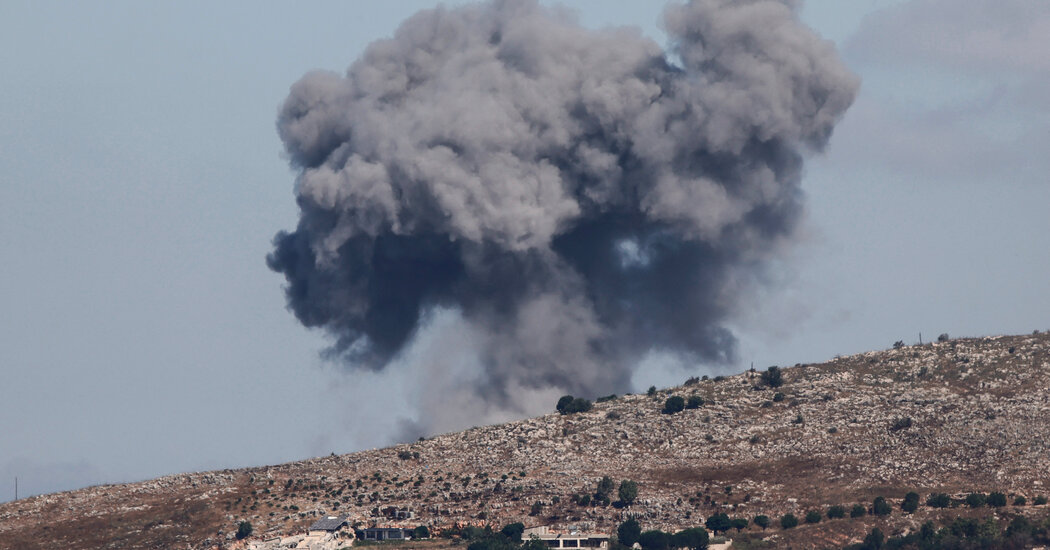
The architect of this delicate, highly controversial pivot is an improbable partnership between two vastly different leaders: U.S. President Donald J. Trump, known for his transactional and unpredictable bilateral foreign policy, and Iranian President Masoud Pezeshkian, a reformist figure who has consistently argued that domestic economic preservation must override ideological purity. Under their newly signed framework, the highly punitive sanctions regime that has long served as a economic stranglehold on Iran’s oil exports and central banking transactions is scheduled for a systematic, phased dismantlement, provided both nations can navigate a highly hazardous peace process. The scale of the concessions currently on the table is staggering, featuring the anticipated release of tens of billions of dollars in frozen Iranian sovereign assets scattered across Asian and European banks, alongside a commitment from Washington to coordinate a massive $300 billion multi-nation fund dedicated exclusively to the reconstruction and modernization of Iran’s war-damaged industries. Yet, as Swiss intermediaries recently warned following the sudden postponement of high-level bilateral talks in Geneva—coinciding with fresh Israeli airstrikes against militant targets in Lebanon—the road to a finalized treaty remains fraught with political minefields, illustrating that this framework is a highly volatile gamble where a single regional misstep could trigger a return to total militarized confrontation.
   CHALLENGES TO THE PEACE PACT

   ┌────────────────────────┐
   │ Swiss Talks Postponed  │ ──┐
   └────────────────────────┘   │
   ┌────────────────────────┐   │   ┌──────────────────────────┐
   │  Regional Air Strikes  │ ──┼──►│ RISKS TO FINAL AGREEMENT │
   └────────────────────────┘   │   └──────────────────────────┘
   ┌────────────────────────┐   │
   │   Domestic Hardliners  │ ──┘
   └────────────────────────┘
3. Redefining the Maritime Balance of Power: The Strait of Hormuz Leverage
At the heart of Iran’s potential economic renaissance is an unprecedented, highly controversial clause in the U.S.-Iranian framework that effectively redraws the rules of international maritime commerce: the formal acknowledgment of Iran’s right to collect transit fees from commercial cargo vessels passing through the Strait of Hormuz. For decades, Western military planners viewed any Iranian threat to disrupt this vital maritime shipping lane—through which more than a fifth of the world’s petroleum liquids pass daily—as a clear casus belli, making the inclusion of this monetization mechanism in a U.S.-backed accord an astonishing capitulation to Tehran’s geographic leverage. By transforming this critical chokepoint from a flashpoint of military friction into a legitimate, state-regulated revenue generator, the agreement provides the Iranian government with a permanent, diversified source of hard currency that operates entirely independent of traditional energy export markets. While maritime lawyers and international shipping conglomerates express deep unease over the precedent of paying transit taxes to a nation recently accused of state-sponsored disruption, the provision underscores a new, pragmatic reality in Washington: a stable, self-financing Iranian state bound by commercial rules is far less dangerous to global energy security than a desperate, blockaded adversary with its back against the wall.
4. Regional Rearrangements and the Fragile Tapestry of Gulf Security
This dramatic diplomatic breakthrough has sent shockwaves through the capitals of the Arab Gulf states, forcing a rapid, nervous recalibration of regional alliances as long-held assumptions regarding American security guarantees are shattered. For decades, wealthy monarchies like Saudi Arabia and the United Arab Emirates relied on the implicit promise of U.S. military intervention to shield them from Iranian expansionism, but the direct bilateral negotiations between Washington and Tehran have exposed a stark reality: the United States is deeply committed to extricating itself from protracted Middle Eastern conflicts, even if it means normalizing relations with its chief regional adversary. According to prominent financial analysts and former international monetary officials, this perceived abandonment has weakened traditional security alliances, forcing Gulf states to pursue economic hedge strategies, most notably through the potential revival of trade relations between Iran and the United Arab Emirates. Historically, Dubai served as the primary financial lung and re-export hub for Iranian businesses circumventing Western blockades; if this bilateral trade pipeline is successfully resuscitated under the new framework, it will not only accelerate Iran’s domestic recovery but also weave Tehran into a highly integrated regional economic network, making future military conflicts far more costly for all parties involved.
SHIFTING GEOPOLITICS IN THE PERSIAN GULFTraditional Model Proposed Integrated Model
┌────────────────────────┐ ┌────────────────────────┐
│ U.S. Defense Shield │ │ Economic Co-reliance │
│ [Gulf States] │ │ [UAE] ◄───► [Iran] │
│ ▲ │ │ │ │ │
│ │ (Hostility) │ │ ▼ ▼ │
│ [Iran] │ │ [Shared Trade Assets] │
└────────────────────────┘ └────────────────────────┘
5. Sixty Days on a Tightrope: Easing the Sanctions Stranglehold and Domestic Relief
As negotiators embark on a high-stakes, sixty-day window to draft the fine print of the final peace treaty, a series of immediate, highly visible confidence-building measures are poised to deliver tangible economic relief to Iran’s exhausted and impoverished population of nearly ninety million citizens. The immediate suspension of the U.S. naval blockade, which had strangled Iran’s maritime trade since its implementation in April, marks a crucial turning point, allowing raw industrial materials, agricultural imports, and vital pharmaceuticals to flow freely into the country’s ports without the exorbitant premiums imposed by black-market supply channels. Crucially, the temporary authorization for Iran to export its crude reservoir at market values—completely free from the steep, sanctions-enforced discounts previously demanded by buyers in Beijing and New Delhi—will immediately inject critical foreign capital back into the country’s depleted treasury. However, as prominent monetary economists point out, the true catalyst for domestic economic transformation lies not in state-controlled oil revenues, but rather in the projected dismantling of secondary banking sanctions, a move that would reconnect Iranian merchants to the SWIFT banking system and allow the highly undervalued Iranian rial to compete effectively in global labor and manufacturing markets.
6. The Enigma of Tehran: Mismanagement, Infrastructure Decay, and the Hurdles Ahead
Whether this historic diplomatic opportunity translates into sustainable, long-term prosperity remains heavily dependent on the deeply unpredictable, factionalized leadership structure within Tehran, where hardline elements continuously threaten to derail negotiations in order to protect their own domestic monopolies. While the lifting of Western sanctions removes the external barriers that have paralyzed the Iranian economy, it does nothing to resolve the systemic domestic crises that have plagued the nation for decades: rampant administrative corruption, disastrous fiscal mismanagement, a history of brutal political suppression, and a severely degraded domestic infrastructure that has suffered from years of underinvestment. Ironically, decades of international isolation forced Iran to build a highly diversified domestic manufacturing base—a self-reliant “resistance economy” that may now facilitate rapid growth if connected to global capital—but this structural resourcefulness could easily be squandered if the state chooses to prioritize ideological projects over domestic reconstruction. Ultimately, if the ruling clerics in Tehran choose to overplay their hand by resuming uranium enrichment or backing regional proxy wars, the current diplomatic opening will quickly evaporate, leaving an impoverished nation to collapse under the weight of its own internal decay and the ruinous legacy of a war that promised a new beginning but could easily end in perpetual darkness.