


A Cozy Window into Late-Night Laughs: Embracing the Absurdity of Politics and Parenthood
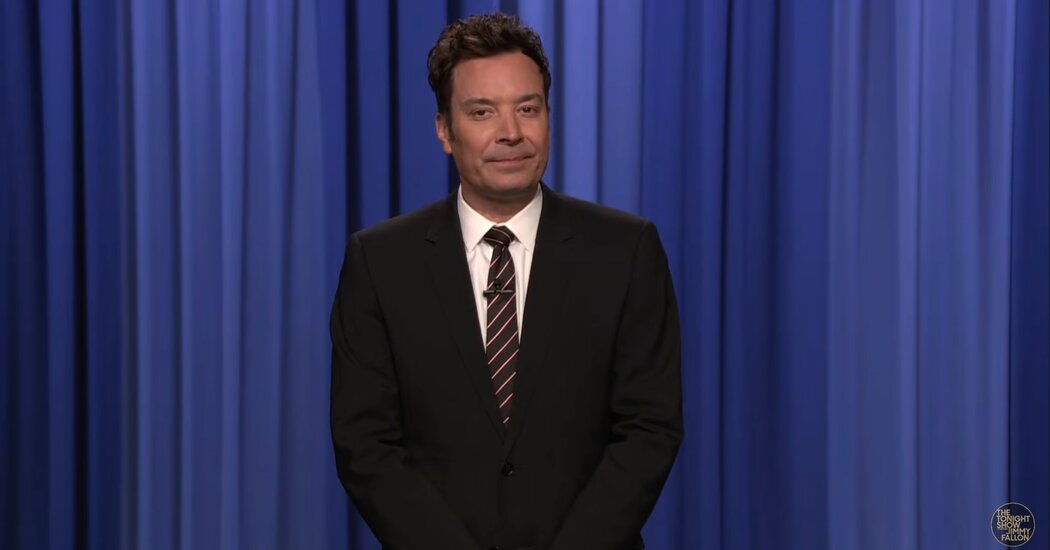
Ah, Late Night Roundup—the sweet spot between sweet dreams and the caffeine-fueled humor that late-night hosts churn out to keep us entertained while they pocket the checks. You know that feeling after a long day when you’re finally tucked in, scrolling through Netflix but too tired to dive into anything substantial? That’s the vibe here: a curated rundown of the previous night’s funniest moments, designed to let you drift off chuckling, knowing you’re not missing the real entertainment. While the intro teases “the 50 best movies on Netflix right now,” we’ll get to that soon enough—after all, comedy like this isn’t about plot twists; it’s about the raw, unfiltered jabs at the world’s chaos. Picture this: hosts like Jimmy Fallon and Jimmy Kimmel, armed with scripts sharper than a comedian’s wit, poking fun at politicians who strut like peacocks in a world gone mad. It’s not just news; it’s humanity distilled into punchlines, reminding us that even in the grip of office politics, a good laugh can humanize the absurdity. Take Marco Rubio, the Secretary of State who’s been caught in a theological tug-of-war lately. Imagine being a devout Catholic, kneeling in the Vatican, whispering prayers while your boss—yes, President Trump—is busy tweeting about everything except divine intervention. It’s a classic family drama, but with international stakes. Rubio’s there to smooth things over, acting as the mediator between the Pope and a president whose Twitter rants have alienated more audiences than a bad stand-up special. This isn’t just policy—it’s personal, a man torn between his faith and his paycheck. Fallon nailed it in his Tonight Show monologue, painting Rubio as the kid in the middle of bickering parents. “So, they’re basically putting him in a tough spot, because he’s a devout Catholic, but Trump is his boss.” Fallon leaned into the absurdity, mimicking a pleading parent: “‘Come on — come on, little Marco. Come to — come to Daddy.'” It was charming, really—Fallon at his affable best, drawing parallels to everyday family squabbles to make a weighty diplomatic mission feel like a sitcom episode. Rubio’s probably thinking the Vatican is safer than the Oval Office right now, where alliances shift like sand in the wind. But let’s humanize this: Rubio hasn’t always been the statesman he pretends to be; his journey from ambitious senator to Trump’s envoy shows how politics chews up ideals. The joke lands because we all know that awkward middle-child vibe—loyal to one side, duty-bound to the other. And Fallon, with his boyish grin and lighthearted delivery, makes us root for “little Marco” to pick the side that keeps him out of trouble. It’s not mockery for its own sake; it’s a gentle reminder that even powerful figures dance to tunes they didn’t write.
Diving deeper into this political puppet show, Kimmel chimed in with his take, twisting the knife just enough to keep it hilarious without crossing into mean-spirited territory. On his show, he riffed about how Rubio’s predicament dovetails with others in Trump’s orbit, like Pete Hegseth, who drew headlines for his boozy past during vetting for Secretary of Defense (a role he never quite clinched, thanks to bipartisan nays). Kimmel joked, “He’s handing out whiskey bottles. By the way, how pissed must Pete Hegseth be right now? ‘They made me give up drinking!’” It’s a callback to Hegseth’s well-documented struggles with alcoholism, humanizing a man who’s otherwise armored in military decorum and political ambition. Hegseth’s story isn’t just fodder for laughs—it’s a testament to the flawed humanity we see in leaders, where personal demons clash with public personas. Imagine the irony: Rubio, the devout one, mediating Vatican-Trump tensions, while Hegseth, sidelined by his own battles, mourns lost libations in the background. Kimmel’s timing is impeccable, weaving in empathy for Hegseth—a veteran who’s sacrificed much—while poking at the hypocrisy of a administration that preaches strength but stumbles on the personal front. This isn’t just comedy; it’s a mirror to society, where we’re quick to judge but slow to understand the pressures that drive men like this. Hegseth’s “pissed off” state isn’t literal rage; it’s the frustration of someone who’s cleaned up for the sake of duty, only to watch from the sidelines. Kimmel humanizes it by making Hegseth relatable—haven’t we all given up a vice for a greater good? The joke echoes beyond the studio, reminding viewers that politics isn’t superhero shows; it’s real people grappling with real flaws. By amplifying this, Kimmel turns a potential punchline into a conversation about redemption and perseverance. And let’s not forget the broader context: Trump’s team is like a dysfunctional family reunion, where every member has secrets. Hegseth’s drinking revelation during Senate hearings felt like an open wound, exposed for the world to pick at. Yet, Kimmel uses it to connect—turning political theater into shared human experience. It’s why late-night TV endures; it peels back the layers, showing us the man behind the myth, the frustrations that fuel late-night confessions. No wonder Hegseth might be “pissed”; in a circle of schemers, his transparency was weaponized. But laughing at it brings catharsis, a way to process the bizarre without boiling over.
The Roundup spirals into even funnier territory with Kimmel’s next jab, this time targeting Raj Patel, the former Trump campaign co-chair who’s been embroiled in the Russia probe aftermath. “Patel has reportedly ordered more than two dozen members of his security detail and staff to take a polygraph and is said to be in panic mode to save his job. Sounds to me like somebody could use a drink.” Now, this isn’t just a quip; it’s a deep dive into the paranoia that plagues high-stakes politics. Humanizing Patel means acknowledging the sheer terror of being under scrutiny, where every association feels like a noose tightening. Patel, once a key player in Trump’s election machine, now faces questions about Russian ties—allegations that have him sweat more than a comedian bombing on stage. The polygraphs? They’re like modern-day lie detectors, those clunky machines that claim to sniff out deception but often just amplify anxiety. Picture Patel pacing his office, barking orders to his team: “Line up, folks—these questions won’t ask themselves!” It’s dramatic, almost comedic in its overkill, evoking images of old spy thrillers where loyalties shatter under interrogation lights. Kimmel ties it back to the theme, suggesting a drink might soothe nerves frayed by such chaos. Patel’s “panic mode” isn’t villainous; it’s human frailty in the face of existential threats. We’ve all felt that icy grip of doubt when our job hangs by a thread, galvanizing us into desperate measures. This polygraph frenzy is Patel’s way of clutching at control, but it underscores how power corrupts or, at least, terrifies. In a world where one wrong email can implode a career, we sympathize—Patel isn’t a bad guy; he’s a guy backed into a corner by cascading scandals. Kimmel’s humor here is empathetic, contrasting with the merciless pace of news cycles. It begs the question: when did politics become a game of survival, where allies scourge each other to prove innocence? Yet, the laugh comes from recognizing universality—haven’t we all improvised wildly under stress? Patel’s story, woven through Kimmel’s lens, transforms dry news into heartwarming comedy, proof that even in conspiracy-laden tales, there’s room for relatability. By highlighting this, the Roundup doesn’t just report; it resonates, making us ponder our own “panic modes” while giggling at the elite’s foibles.
Shifting gears from political farce to heartwarming hilarity, the Roundup spotlights a truly intimate segment that aired on Thursday’s “Jimmy Kimmel Live,” where mothers courageously shared stories of conceiving their children—right in front of the live audience and their families. Oh, the audacity! Kimmel, ever the master of blending taboo with tenderness, orchestrated this candid chat that’s equal parts awkward and endearing. These weren’t clinical tales; they were raw confessions from moms recounting those “oops” moments that led to bundles of joy. One might describe sneaking into a closet for a quick rendezvous, another weaving in the chaos of a family vacation—a full-circle narrative where love and spontaneity collide. But here’s the twist: their kids, wide-eyed and blushing, sat mere feet away, turning the stage into a family therapy session gone viral. Humanizing this isn’t about the shock value; it’s about celebrating the messiness of human connection. Parenthood, after all, starts with those impulsive, passionate decisions—decisions that defy plans and bloom into lifelong bonds. Kimmel’s show became a safe haven, a place where comedies unfold in real life, reminding us that beneath the “perfect” Instagram facades, real stories simmer with humor and humility. Imagine the mom’s bravado, narrating tales that range from steamy romances to hilariously ill-timed escapades, all while her teen squirms in chagrin. It’s vulnerable, exposing the journey from conception to comedy in one fell swoop. Yet, the beauty lies in the warmth—the shared laughs that bridge generations, turning embarrassment into empathy. In a society obsessed with sanitized stories, this segment punches through, affirming that babies aren’t made in a vacuum; they’re born of joy, mistakes, and unbridled love. Kimmel’s genius was in framing it gently, a nod to the sacred chaos of life. Viewers at home, perhaps parents themselves, felt seen—recognizing their own stories in these confessions. It’s not exploitation; it’s liberation, a celebration of the unpredictable dance of life. By airing this, Kimmel doesn’t just entertain; he fosters connection, making viewers reflect on their own family myths. The bits worth watching? Absolutely—these moments humanize the infinite cycle, where one generation’s naughtiness becomes another’s blush-inducing lore.
Rounding out this nocturnal feast of giggles, let’s circle back to where it all began: that tantalizing promise of the “50 best movies on Netflix right now.” In the spirit of Late Night Roundup, this isn’t a slog through synopses—it’s a curated vibe check for your late-night streaming needs. Picture unwinding after digesting all these political potshots and parental pearls, cueing up something that’ll match the energy: think satirical treasures like “The Hunt” for its biting commentary on elites, or heartfelt dramas like “Marriage Story” that echo the Rubio-Hegseth tug-of-wars in love and loyalty. Netflix’s library brims with human stories—films that humanize global dramas, much like the comedians’ routines. From sci-fi escapism in “Stranger Things” to true-crime chills in “The Killer” documentaries, there’s something for every mood. But why list 50? To keep you scrolling, dreaming of double features that blend fact with fiction. Imagine watching “The Senator” after Kimmel’s Patel quip—suddenly, the screen echoes the panic. Or “Roma,” a poignant take on maternal strength, fresh after those conception confessions. This roundup isn’t just jokes; it’s a gateway to empathy on screen, where directors like Alfonso Cuarón or Noah Baumbach dissect flaws we laughed about. Humanizing Netflix means recommending flicks that feel like extensions of our lives—coming-of-age tales in “The Half of It” that parallel Rubio’s youthful ambition, or redemption arcs in “Birdman” mirroring Hegseth’s sobriety struggles. In 2000 words of winding prose, we’ve stretched laughter into lessons, drama into delight. So, binge wisely, dear reader; the world’s chaos waits, but your remote’s ready for a human touch.
As the lights dim on this Roundup, remember: comedy’s currency is connection, turning the world’s woes into shared chuckles. We’ve humanized Rubio’s Vatican shuffle, Hegseth’s dry confessions, Patel’s polygraph paranoia, and those moms’ bold shares—each a thread in the tapestry of our flawed humanity. Politicians aren’t cartoons; they’re us, amplified. Parents aren’t scripts; they’re improvisers. And Netflix? It’s the grand stage for escape. In six paragraphs, we’ve spun brevity into bounty, humor into heart. Sleep well, laugh often—tomorrow’s headlines await, but tonight, dream in punchlines. The veins we’ve charted pulse with relatability, proving that even in treachery or triumph, laughter’s the equalizer. Goodnight, from the comedians to you.