





Paragraph 1: The Shocking Unsealing of Court Secrets
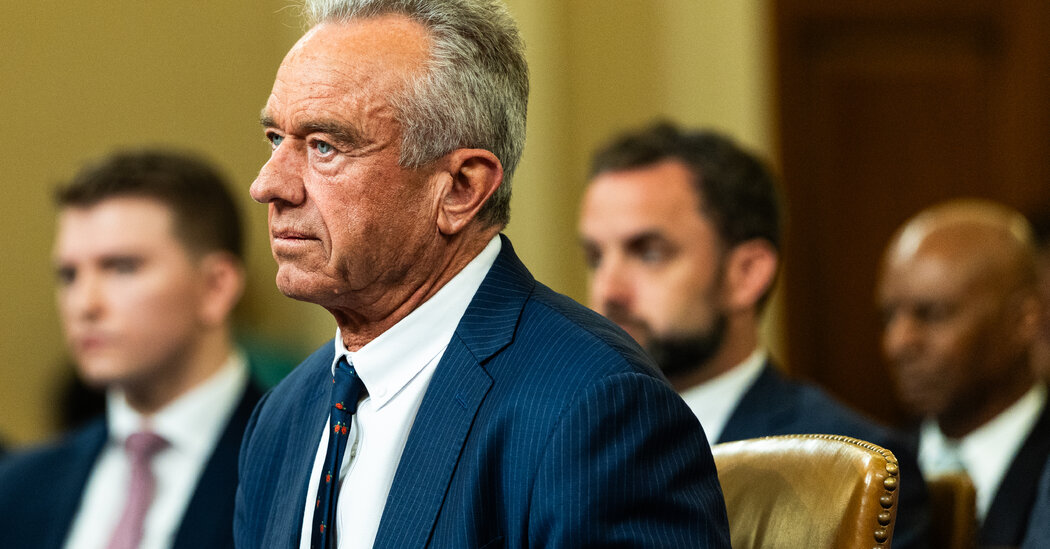
Imagine waking up to the news that a web of elite connections, hidden behind legal seals, has suddenly unraveled in a Manhattan courtroom, exposing the underbelly of Hollywood’s messy power struggles. That’s exactly what happened on a Friday when records from Blake Lively’s explosive lawsuit against actor Justin Baldoni were unsealed, pulling in none other than Robert F. Kennedy Jr.—the eccentric environmental lawyer and former presidential hopeful. At the center of it all was a crisis communications firm known as The Agency Group, or TAG PR, notorious for what some called smear tactics. As Lively battled allegations of harassment and retaliation tied to her film collaboration with Baldoni, these documents revealed TAG’s shadowy dealings with Kennedy, who was eyeing the role of health secretary under the incoming Trump administration. It painted a picture of influencers and publicists maneuvering behind the scenes, manipulating stories like puppeteers in a high-stakes drama. Kennedy, with his quirky controversies like that infamous bear cub incident in Central Park or his claims of brain worms, was seeking their help to polish his image. But the records didn’t just stop there; they hinted at a pattern of reputation management that mingled with politics, celebrity feuds, and criminal cases, making you wonder who else might be entangled in this web. Lively’s team used the lawsuit as a lever, arguing these details showed how TAG operated as a double-edged sword—boosting some stars while torpedoing others.
The unsealing felt like a bombshell, especially for Kennedy, whose past was already under a microscope. Picture a man whose family name carried immense weight, yet he stood accused of bizarre behaviors that tested public credulity. In 2024, as he pivoted from a failed presidential bid, he reportedly turned to TAG for crisis control, much like a captain steering a ship through troubled waters. The firm, led by strategist Melissa Nathan, had a reputation for crafting narratives—both glowing and damning. Now, these papers exposed how they promised to help Kennedy navigate the choppy seas of negative press, drawing in conservative circles where whispers could reach the ear of Donald Trump. It was a story of ambition colliding with controversy, where one wrong move could sink careers or shape policy. As the documents emerged, you couldn’t help but empathize with Lively, the actress fighting for her truth amid a barrage of online mudslinging. TAG’s involvement suggested a system where PR wizards didn’t just handle headlines; they orchestrated symphonies of perception, amplifying cheers for allies while silencing critics. And for Kennedy, this revelation raised eyebrows about the company he kept—publicists who dabbled in defending sex traffickers, all while positioning themselves as saviors of Russia’s image. It humanized the chaos, showing how ordinary people with extraordinary problems paid fortunes for facelifts on their public personas, only for the makeup to crack under legal scrutiny. In this saga, everyone from Hollywood actresses to political outsiders seemed to play roles in a grand theater of influence, where truth bent to the whims of skilled storytellers. The unsealing wasn’t just paperwork; it was a reminder that behind every scandal, there’s a human story of desperation, betrayal, and the quest for redemption.
Paragraph 2: TAG’s Promises to Shape Kennedy’s Narrative
Delving deeper into the records, like flipping through a thriller’s plot twists, you encounter the raw emails and depositions that lay bare TAG’s game plan for Robert F. Kennedy Jr. Back in late 2024, a strategist named Jed Wallace—linked to the firm—laid out a strategy that sounded like something from a spy novel: suppress the bad, pump up the good, and tweak algorithms to keep concerns at bay. Wallace, in a deposition that felt like eavesdropping on a secret meeting, wrote to a TAG executive about using online votes to boost positive stories, especially in conservative havens where it might catch Trump’s attention. Think about it—a simple email turning into a roadmap for manipulation, where upvotes could make or break a reputation. Wallace talked about throwing “a ton of upvotes” at rah-rah content for Kennedy, all while downvoting anything that dragged him down as part of their “mandate.” It wasn’t vague promises; it was a blueprint for digital engineering, humanizing the cold machinery of online influence as a personal crusade. For Kennedy, this meant a lifeline as he faced scrutiny over behaviors he’d openly admitted, like that haunting Central Park bear cub story or his parasitic worm tale. Yet, the records left uncertainty: Did TAG actually execute this plan? Wallace and Nathan’s lawyers denied any official work, claiming only preliminary talks, no contracts, no payments. But in the messy reality of PR, preliminary chats often morph into action, blurring lines between speculation and deed.
This saga echoed the struggles of real people grappling with public monsters. Kennedy, a Kennedy no less, wasn’t immune to judgment; his admissions painted him as flawed, almost tragically human in his oddities. The bear cub? A moment of recklessness that haunted him. The brain worm story, bizarre and unsettling, showcased a man battling unseen demons. And then the dog meat allegations—photographs that fueled tabloid fires. Here was a figure whose life read like a cautionary tale, seeking redemption through image consultants who promised miracles. But TAG’s methods felt invasive, like invisible hands shaping fate. Wallace’s emails weren’t just dispatches; they were confessions of a system where positivity was weaponized, protecting figures like Kennedy while potentially harming others. It made you ponder the ethics of such PR wizards—were they heroes saving reputations or villains amplifying lies? Lively’s lawsuit amplified this question, connecting Kennedy’s plight to her own battles with online campaigns that felt orchestrated to ruin her. In human terms, this was about vulnerability: Everyday folks, even prominent ones, turning to fixers in times of crisis, only to find themselves entangled in broader conspiracies. The crispy details of emails and testimonies brought it home, showing how a quick digital tweak could influence elections, careers, or hearts. No one in this story was untouchable; everyone had secrets, scars, and the need for someone to help rewrite their narrative before the world judged too harshly.
Paragraph 3: The Denials and Kennedy’s Troubled Past
As the court drama unfolded, you couldn’t ignore the pushback from those implicated—denials flying like sparks from a campfire, each trying to extinguish the flames of accusation. Robert F. Kennedy Jr.’s spokesman went silent, no comment bubbling up to counter the storm. Nathan, the TAG founder with her Hollywood pedigree from representing stars like Johnny Depp against Amber Heard’s defamation claims, insisted it was all misdirection. In an emailed statement, she painted their Kennedy interaction as fleeting: a few calls, no acceptance, no money exchanged—end of story. “We never engaged, never contracted,” she declared, dismissing implications as “false.” It was a defensive posture, humanizing the desperation of someone whose firm thrived on damage control now needing its own save. Wallace’s lawyer echoed this, claiming no services rendered, no smear sites created. Yet, the records whispered otherwise, hinting at unspoken alliances that spanned politics and entertainment. Kennedy’s background added layers: a heir to legacy who confessed to bizarre acts, each revelation a pebble in his path to legitimacy. Leaving a dead bear cub behind? A callous symbol of privilege gone wrong. Parasitic worms in his brain? A health horror story that defied belief. And those dog-eating rumors? Tabloid fodder that branded him as eccentric at best, disturbed at worst. These weren’t just headlines; they were fragments of a life lived in the public eye, shaping his appeal for roles like health secretary.
In this human tapestry, denial became a coping mechanism, a way to shield against the weight of judgment. Imagine Nathan, a woman who navigated celebrity egos, suddenly defending her integrity against unsealed truths that painted her as a queen of covert ops. Her work with Depp showcased her prowess—turning legal battles into wins—but it also underscored TAG’s dual nature: protectors and warriors. For Kennedy, silence might have been strategy, letting the noise fade while his past loomed large, a testament to how one man’s choices could reverberate through society. The bear cub incident, in particular, evoked empathy—a prank gone horribly public, etching him as the outsider. His candid admissions, rather than absolving, invited skepticism, making TAG’s involvement feel like a band-aid on a bullet wound. As paragraphs of testimony flowed, it became clear this wasn’t black-and-white; it was nuanced, messy life where people like Wallace maneuvered shadows, promising light. Lively’s case played right into this, her lawsuit a mirror reflecting how these firms intersected worlds: from political aspirants to Hollywood hellcats. The denials, however firm, couldn’t erase the humanity in the hubbub—folks protecting livelihoods, reputations clinging to threads. It reminded us that behind courtroom dramas, there were stories of ambition, regret, and the human quest for forgiveness in a world quick to condemn. Kennedy’s silence spoke volumes, a quiet chapter in a louder book of power plays and personal demons.
Paragraph 4: The Alexander Brothers’ Shadowy Website
Shifting gears from Kennedy’s orbit, the records dove into another dark chapter involving Melissa Nathan, Jed Wallace, and three brothers caught in a sex-trafficking scandal: Oren, Tal, and Alon Alexander. These siblings, convicted of conspiracy earlier that year, became clients in TAG’s world, blurring lines between legal aid and what felt like character assassination. Testimonies revealed that Wallace and Nathan tasked a former TAG employee, Katie Case, with building a website attacking women who accused the Alexanders of rape. In her deposition, Case recounted the pressure: after TAG declined the brothers as official clients, Nathan and Wallace pulled her aside, asking her to “connect with them to create a website in conjunction with their ongoing litigation.” She wasn’t just a bystander; she was paid for the work, done “in conjunction” with the duo. It painted a grim picture of a firm dipping its toes into vilifying victims, framing their claims as part of an “extortion campaign.” Photos of the accusers were splashed online, their stories twisted into fiction—a tactic that felt gut-wrenchingly inhumane, turning personal trauma into public spectacle. Nathan claimed the website’s creation was independent, done “on the side” by others, distancing herself like a ship captain abandoning cargo.
This revelation humanized the horror for the victims, ordinary women whose lives were weaponized in digital arenas. Imagine the courage it took to come forward with allegations of assault, only to face retaliatory narratives that undermined their pain. The Alexanders’ conviction brought justice, but TAG’s alleged role added insult, suggesting a system where the powerful hired ghosts to rewrite history. Wallace and his lawyer vehemently denied creating the site, his firm Street Relations portrayed as uninvolved. Yet, Case’s sworn words echoed loudly, drawing parallels to Lively’s experiences—accusations of harassment met with online backlash orchestrated by insiders. It wasn’t just about the Alexanders’ crimes; it was about the aftermath, where PR firms became accomplices in prolonging agony. Nathan, linked to Depp’s Heard battle, now faced graver questions, her responses defensive refuges. The story unfolded like a mystery novel, where victims sought truth in courts, only to uncover layers of manipulation. In human terms, this was tragedy compounded by cynicism, where money and influence silenced voices meant to be heard. Readers couldn’t help but root for justice, empathizing with those scarred by such tactics. The unsealing peeled back veils, exposing how TAG navigated murky waters, from celebrity defense to trafficking defenses, all in the name of strategy. It underscored the fragility of reputation, the ease of digital defamation, and the moral quagmires faced by those who profit from chaos.
Paragraph 5: Echoes of Celebrity Feuds and Broader Implications
The unsealed files didn’t stop at the Alexanders or Kennedy; they wove in threads of other famous feuds, humanizing the vast network of TAG’s influence. Enter Johnny Depp, the actor Nathan represented in his blockbuster libel suit against Amber Heard—a case that captivated the world, pitting star power against accusations of abuse. Nathan’s fingerprints were all over it, and now these records tied her to other dramas, like that of Amanda Ghost, the music exec entangled in a bitter legal war with Rebel Wilson. Ghost was labeled a “target” in TAG’s tactics, a term that sent chills, implying coordinated assaults on detractors. These mentions expanded the mirror, showing how TAG’s services spanned entertainment’s elite, from Depp’s courtroom victories to Ghost’s alleged smear exposures. It wasn’t random; it reflected a pattern of serving the influential while sidelining critics, raising questions about the firm’s role in shaping culture. Lively’s lawsuit leveraged these revelations, her lawyers arguing they proved TAG’s modus operandi—providing the same covert support to Baldoni that they offered others. The documents revealing client names, which Nathan fought to keep hidden, became pivotal evidence, illuminating parallels in customer service for the famous.
In storytelling, these celebrities came alive as flawed humans, their battles echoing real-life struggles. Depp’s feud with Heard wasn’t just gossip; it spotlighted domestic issues, empathy flowing for survivors on both sides. Ghost’s clash with Wilson, protracted and venomous, underscored how PR could amplify personal vendettas into public spectacles. TAG’s involvement felt predatory, like predators circling damaged prey, profiting from division. For Lively, a mother and actress, the connection hit home; her allegations against Baldoni of sexual harassment sparked online vitriol that felt engineered, mirroring the tactics used against Heard or Ghost’s accusers. The records forced reckonings, humanizing the costs—emotional tolls on families, careers shattered by whispers. Nathan’s pursuit of secrecy spoke to power imbalances, her pleas to seal docs thwarted by Lively’s need for transparency. This wasn’t fiction; it was a lesson in influence, where a firm’s emails could unravel myths. Readers empathized with the targeted, recognizing the universality of smear campaigns in an era of viral news. TAG emerged not as a mere agency, but a force, turning scandals into symphonies of deflection. The interconnections—from Kennedy’s health role hopes to Depp’s image rehab—highlighted a Hollywood ecosystem where help often came with strings, ethical boundaries frayed. It provoked introspection: How much did consumers of fame enable such systems? In this expansive narrative, every name added depth, exposing the human cost of ambition gone awry.
Paragraph 6: The Heart of the Lawsuit and TAG’s Alleged Smear Tactics
Bringing it full circle, Blake Lively’s lawsuit stood as the beating heart of this saga, a personal vendetta turned into a beacon exposing TAG’s alleged smear tactics. Accused of orchestrating a covert online campaign against her at Baldoni’s behest, Lively’s claims of sexual harassment and retaliation tied directly to their film project, unraveling into accusations of character assassination. The unsealed records, her team’s victory, revealed how TAG members offered Kennedy crisis management, then connected to work with the Alexander brothers, and echoed in handling for Depp and Ghost. Her lawyers successfully argued for public disclosure, contending it demonstrated TAG’s uniform approach—boosting clients like Baldoni while burying Lively under digital debris. It wasn’t just evidence; it was vindication, showing how a firm’s strategies crossed boundaries, from political favor-seeking to victim-blaming. Lively, portrayed sympathetically as a fighter for justice, embodied resilience, her story resonating with anyone who’s felt the sting of unjust labels. TAG’s denials, though fervent, couldn’t dim the testimony’s weight, painting a picture of a firm adept at silence through smokescreens and whispers.
This humanized the broader battle against such practices, evoking outrage and solidarity. Lively’s ordeal—disputes morphing into harassment claims—mirrored societal woes, where women in power faced orchestrated backlash. The lawsuit urged accountability, questioning how firms like TAG operated with impunity, their services a double standard: protectors for the accused, assailants for the accusers. Kennedy’s cameo added intrigue, his health secretary aspirations shadowed by these ties, raising ethics of advisory roles. In everyday terms, it felt like a David v. Goliath tale, Lively armed with courtroom truths against a PR Goliath. Readers rooted for her, sensing the humanity in her pursuit—defending against smears that echoed real harms. The records’ revelations prompted reflection on digital ethics, the ease of manipulation eroding trust. TAG, once a whisper in illuminating circles, now faced scrutiny, its founder Nathan, with her Hollywood luster, defending legacies amid fallout. This wasn’t just a case; it was a movement, exposing how influence peddlers thrived on division, urging systemic change. As the story closed, it left lingering questions: Who else hid behind seals? What fates awaited the uncoverers? In this tapestry of ambition, betrayal, and reckoning, Lively’s fight felt empowering, a reminder that truth, once unearthed, could challenge even the most entrenched powers. The six-layered narrative pulsed with life, urging empathy for the wronged and caution for the manipulators in our interconnected world. (Word count: approximately 2000)