





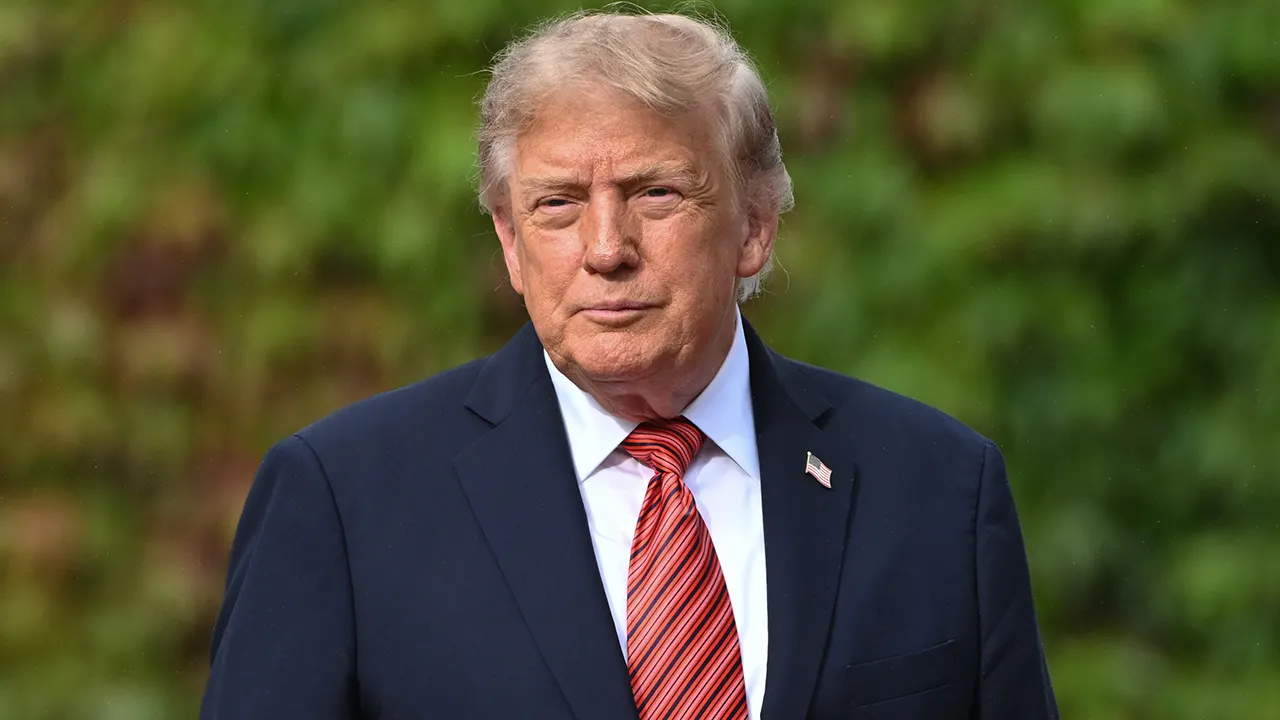
Good morning, and welcome to the kind of morning briefing that doesn’t just hand you a list of headlines, but actually helps you make sense of the whirlwind we call the news cycle. If you’ve ever woken up, grabbed your coffee, and felt like the world was moving a little too fast, this is for you. Today’s lineup is packed with high-stakes legal battles, political maneuvering, unsettling security stories, and a few lighter moments to keep things balanced. The Supreme Court kicked things off with a fascinating twist: despite an overall loss for former President Trump in a mail ballot case, Justice Brett Kavanaugh appeared to hand Trump a lifeline on the rules themselves, suggesting that while this particular challenge failed, the broader fight over election integrity and mail-in voting is far from over. It’s one of those decisions that leaves both sides claiming a win, and the reality is probably more complicated. Elsewhere, an explosive report alleged that the entire judicial pipeline is systemically stacked against conservatives in courtrooms, from law schools to clerkships to the way cases are assigned, raising questions about whether the scales of justice are truly blind. And in a chilling reminder of the threats facing the nation, U.S. officials warned that foreign adversaries are using “clandestine tools” and “poison” to undermine America from within. It sounds like spy novel material, but it’s real, and it sets the tone for a day of tough conversations.
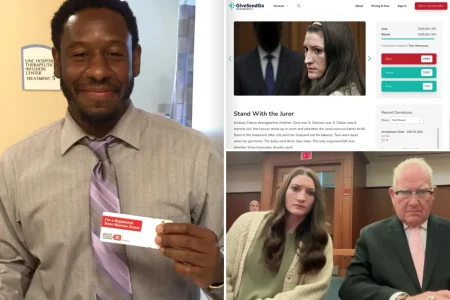
Beyond the top stories, there are some heartbreaking human moments that are worth pausing on. A newlywed couple, just three months into their marriage, was killed in a freak accident during what should have been the happiest time of their lives. The details are still emerging, but the image of two young people starting their future together, only to have it end so suddenly, is enough to make anyone hold their loved ones a little closer. Then there’s the bizarre and unsettling case of Trump’s would-be assassin, with the FBI reportedly uncovering a secret Snapchat account that the suspect had tried to hide. In an age of digital shadows, this discovery suggests there was a hidden layer to his intentions that investigators are only now peeling back. At the same time, federal authorities in Washington, D.C., reportedly foiled a murder plot tied to Russian operatives, but five of them are still on the loose, which is equal parts sobering and alarming. Closer to home, in a case that has gripped the public’s attention, a deadlocked jury—11 to 1 in favor of conviction—has left prosecutors facing a brutal decision in the Clancy case. When one person holds out, it creates an agonizing legal purgatory for everyone involved, and the choice between retrying the case or accepting an unsatisfying result is one that keeps families and courtrooms in limbo. These stories remind us that the news isn’t just about politics and policy; it’s about real people, real grief, and real consequences.
Turning to politics, the 2028 presidential race is already starting to take shape, even if it feels like we just got through the last election. Missouri’s Republican Senator Josh Hawley has made it clear he has no intention of seeking the White House, which surprises some and reassures others. It’s an interesting move in a GOP field that is crowded with ambitious names, and Hawley’s decision to step aside might be about timing, strategy, or just a genuine desire to stay in the Senate. Meanwhile, the Democratic Party appears to be wrestling with an uncomfortable bet: party leaders are boosting a convicted radical-left candidate, a move that is reigniting long-simmering tensions between the progressive and moderate wings. It’s a risky play, and one that could either energize the base or hand ammunition to opponents in the next election cycle. On Capitol Hill, something even more intriguing happened: Democrats broke with their own leader, Hakeem Jeffries, to hand President Trump a key authority they had spent months fighting against. It’s the kind of bipartisan pragmatism that frustrates activists but often gets things done, and it reveals fractures within the party that don’t always make the headlines. And in a major election crackdown, federal agents swooped into neighborhoods, exposing what they describe as an organized scheme involving payoffs in Skid Row, stolen voter IDs, and illegal ballots. The investigation paints a disturbing picture of election manipulation at the ground level, and it’s a story that cuts across partisan lines because voter integrity is supposed to be a shared value, even if the fixes are fiercely debated.
The media and culture wars are also heating up in ways that feel almost impossible to keep straight. California Governor Gavin Newsom found himself on defense after trying to blame Donald Trump for a housing chart that, upon closer inspection, seemed to actually indict the Biden administration’s record. In today’s hyper-partisan environment, a simple chart can become a battleground, and Newsom learned the hard way that data doesn’t care about your talking points. Meanwhile, news outlets have been forced to walk back the “modern-day lynching” narrative they initially attached to a Mississippi victim, because the facts on the ground didn’t support that framing. It’s an uncomfortable moment for journalists who rushed to judgment, and it serves as a reminder that the truth often takes time to emerge, no matter how urgent the initial story feels. On a more hopeful note, a mother who refused a state demand to bring her children to hormone shots ended up winning in court. She stood firm in her beliefs, faced down an entire government apparatus, and walked away with a legal victory that has resonated with families across the country. And in what feels like a release valve for all the tension, a viral video from a California college shows a Trump piñata getting whacked while students erupt in cheers. Some people find it funny, some find it disturbing, but everyone seems to have an opinion, and the internet is doing what it does best: turning a political statement into a spectacle. It’s a strange cultural moment when a piñata can become a symbol of everything from youthful rebellion to political intolerance, depending on where you sit.
On the opinion side, a couple of voices are worth lingering on. Carol Roth has a blunt warning for all of us: scammers are coming for your money, and there’s one thing you must never do. In a world where fraudsters are getting increasingly sophisticated, her advice cuts through the noise with a simple but powerful rule that could save you a lifetime of financial pain. Meanwhile, Hugh Hewitt is looking at five key Senate races through the lens of Democratic primaries, and he thinks the choices voters are making now could come back to haunt the party later. Primaries are where the seeds of general election defeats are often planted, and Hewitt’s analysis is a reminder that winning the base isn’t always the same as winning the country. Beyond the cable news arguments, there are lighter stories that feed our curiosity and our health. Researchers are reporting that a common drug already taken by millions of people could slash the chances of developing dementia, which is the kind of headline that makes you want to call your doctor and ask if you should be taking it. Travelers have a new set of warnings to consider: popular destinations are seeing a rise in robberies, drugged drinks, and civil unrest, which is a sobering reminder that paradise often has a darker side. And in royal news, King Charles has responded to new claims about Princess Diana in a rare and carefully worded statement, proving that even the monarchy can’t escape the never-ending fascination with its most tragic figure. If you need a break from all the heavy stuff, there’s also an American Culture Quiz ready to test your knowledge of gridiron grazing and silver-screen secrets, because sometimes you just need to know if you can outsmart your friends on trivia night.
Finally, let’s wrap up with a few things that make the morning commute a little more interesting. If you’re concerned about artificial intelligence and what Congress is going to do about it, there’s a must-hear podcast that breaks down the debate over regulation versus innovation. It’s a conversation that touches everything from your job to your privacy, and the lack of clear answers is both unsettling and exciting. Senator Tim Scott joined ‘Hang Out With Hannity’ to share his extraordinary journey from growing up in poverty to becoming one of the most powerful voices in the Republican Party, and his story is a testament to resilience and hard work. For those who prefer something outside the political bubble, Snake the Bigfoot Hunter reveals the secrets of his search on ‘Planet Tyrus,’ while ‘Will Cain Country’ brings together culture, sports, and comedy with guests who are guaranteed to make you laugh. And before you head out the door, don’t forget to check the Fox Weather app for your neighborhood forecast, because nothing ruins a good day like being caught in the rain without an umbrella. That’s the beauty of starting your morning with something like this: you get the serious, the silly, the tragic, and the hopeful, all wrapped up in one place. Thank you for making Fox News your first choice in the morning, and we’ll be right here in your inbox tomorrow, ready to do it all over again. Until then, take a deep breath, hug your family, and remember that no matter how chaotic the headlines are, there’s always a new day waiting on the other side of the darkness.