



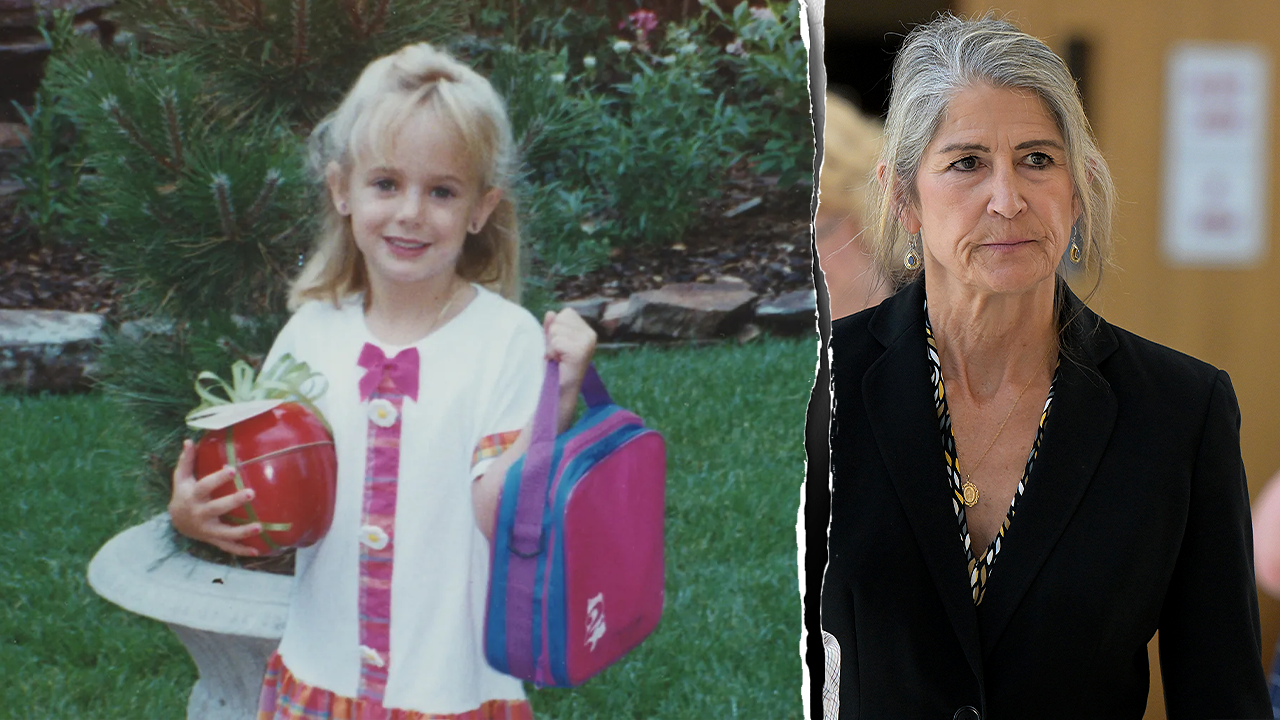
The tragic unsolved murder of six-year-old JonBenét Ramsey has captivated the public for nearly three decades, and a recent high-profile forensic scandal has thrust the case back into the national spotlight. Yvonne “Missy” Woods, a disgraced laboratory scientist with the Colorado Bureau of Investigation (CBI), recently pleaded guilty to altering and deleting data in DNA quality control processes over her nearly thirty-year career. This shocking revelation of institutional misconduct sent shockwaves through the American legal system, raising immediate concerns about the integrity of thousands of criminal investigations. However, both the Boulder Police Department and the Boulder County District Attorney’s Office have quickly reassured the public that JonBenét’s case remains completely untouched by the scandal. Since the earliest and most critical DNA evidence was processed by a reputable, independent third-party laboratory rather than the CBI, authorities confirm that the foundation of the investigation remains sound.
John Ramsey, JonBenét’s father, has been the loudest voice navigating this recent storm, expressing a mix of relief and renewed determination. He was quick to clarify that he never believed Woods had any influence over his daughter’s case, recalling that the pivotal testing was conducted by Bode Laboratories in Virginia back in January 1997. It was this independent facility that first isolated the crucial, unidentified male DNA profile from JonBenét’s clothing. For John, the CBI scandal is not a setback, but rather a cautionary tale that underscores a point he has been trying to make to law enforcement for years: public forensic departments are often overburdened or ill-equipped, and critical evidence is safest and most effectively processed when placed in the hands of specialized, independent private laboratories.
The news of the CBI laboratory’s failures has reignited John’s tireless campaign to force the hands of local authorities. For years, he has questioned why certain items recovered from the 1996 crime scene in their Boulder home were never tested for genetic material. He points out that subsequent rounds of testing on different items have consistently yielded the same unknown male DNA profile, proving that a single, unidentified individual is linked to the crime. With his daughter’s killer’s genetic blueprint already in hand, John is urging police to stop hesitating. He argues that local law enforcement agencies simply do not possess the cutting-edge technology or the highly specialized personnel required to cracked cold cases of this magnitude, making collaboration with premier private facilities an absolute necessity.
The specific tool John is championing is Forensic Genetic Genealogy (FGG), a revolutionary investigative method that combines advanced DNA analysis with traditional genealogical research. FGG has famously cracked dozens of decades-old cold cases across the country by mapping family trees of unknown suspects through public ancestry databases. John firmly believes that if Boulder authorities would hand the DNA profile over to specialized private genetic genealogists, they could have the killer’s family name and identity within a matter of hours. The technology represents a massive leap forward from the standard database searches of the late 1990s, and John expresses a deep frustration that such a powerful, readily available resource has seemingly sat on the shelf while his daughter’s case grows colder.
In a promising turn of events, local prosecutors have recently offered their clearest acknowledgment yet that they are moving in this direction. The Boulder County District Attorney’s Office revealed that the investigative team met recently to ensure that all evidence is keeping pace with rapid advancements in genetic science. Officials emphasized that they are actively exploring the capabilities of outside, independent laboratories to utilize advanced DNA testing methodologies. They are working to balance the urge for quick answers with the legal necessity of ensuring any new testing meets strict validation standards so that the results can hold up in a court of law. This collaborative spirit brings a long-awaited glimmer of hope to a family that has spent twenty-eight years searching for answers.
As Yvonne “Missy” Woods awaits her sentencing this September, facing up to sixteen years in prison for her crimes, the focus of the Colorado justice system is shifting back to healing its deepest wounds. JonBenét Ramsey’s death remains one of the most haunting mysteries in American history, but the intersection of a father’s relentless push and the evolution of modern science could finally change that. While the ghosts of past forensic failures linger, the commitment to utilizing advanced, independent genetic testing offers a realistic path forward. For John Ramsey and millions of people who have followed this heart-wrenching case, the hope is that modern technology will finally cut through decades of bureaucratic red tape and give a name to the shadow that stole JonBenét’s life on that winter night in 1996.