


Japan’s Aging Population Sparks Unique Solution: Athletes Step In as Caregivers
In the heart of Japan’s demographic storm, where an explosion of elderly citizens strains already overburdened nursing homes and care facilities, a bold and unconventional approach is gaining traction. With the workforce crisis forcing many centers to grapple with shortages in qualified staff, some institutions are turning to a surprising pool of talent: bodybuilders, mixed martial arts fighters, and even retired sumo wrestlers. These athletes, whose careers often end abruptly, are finding new purpose—and stability—as caregivers. It’s a shift that not only addresses the acute need for manpower but also infuses daily routines with vitality, challenging long-held stereotypes about who can provide tender, life-sustaining care. As Japan’s society wrestles with its rapidly aging population—where one in six people is now over 75—these recruits bring physical prowess, discipline, and a fresh perspective to an industry historically dominated by women. This innovative recruitment isn’t just about filling gaps; it’s about transforming perceptions of caregiving in a country where immigration restrictions have hampered foreign hires and cultural taboos have kept men away from such roles for generations.
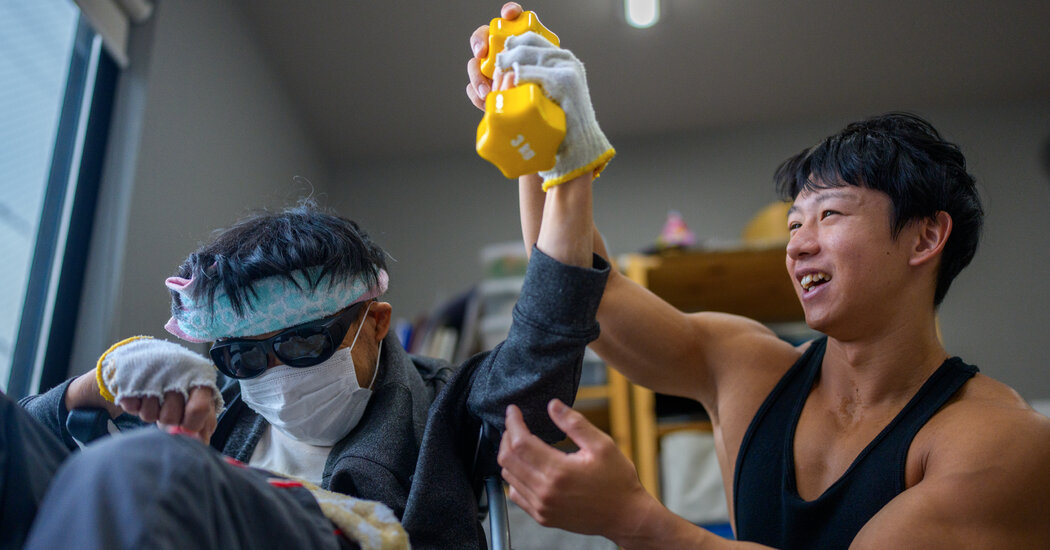
At the forefront of this movement is a growing recognition that athletes’ unique skills translate seamlessly into elder care. Take, for instance, the bodybuilders at a care center in Ichinomiya, a bustling city in central Japan. Here, on a typical morning, the scene unfolds with a vibrant energy that belies the gravity of the work. Residents with disabilities are engaged in lively games or humming along to radio tunes, their spirits lifted by the arrival of their caregivers—young, muscular men whose physiques are as impressive as their dedication. These bodybuilders, earning a respectable starting salary of over $1,600 a month for six-hour shifts, also receive compensation for mandatory gym sessions that keep them in peak condition. It’s a win-win arrangement: the athletes gain financial security in a career marked by short-lived fame, while care centers benefit from staff capable of effortlessly lifting patients without the risk of injury. The relationship extends beyond the paycheck, offering perks like housing, gym memberships, and even protein supplements to fuel their continued training. This program, spearheaded by companies like Visionary, isn’t merely pragmatic; it humanizes caregiving, bringing a sense of excitement and approachability to routine tasks.
Delving deeper into the Ichinomiya facility reveals how these bodybuilders are reshaping the experience for both patients and staff. Yusuke Niwa, the 41-year-old CEO of Visionary, who now oversees more than 30 bodybuilders across 25 centers, explains his vision vividly: “We need to shake up the outdated image of caregiving. Bodybuilders are strong, they exude confidence, and they help redefine what care can look like.” Their presence spices up the day-to-day—think tank tops during tooth-brushing sessions or impromptu workouts that encourage mobility among residents. Yet, beneath the muscular exteriors lies a profound emotional layer. One caregiver, 27-year-old Hokuto Tatsumi, who’s been at the center for over two years, speaks passionately about his evolution: “What I love doing—building muscle—is actually useful to society. My strength puts patients at ease, and that’s incredibly rewarding.” Moments like when his colleague, 26-year-old Takuya Usui, lifts a resident named Madoka Yamaguchi from her wheelchair with encouraging cheers—“You got this! Let’s go!”—highlight the blend of toughness and tenderness. She responds with laughter, teasing, “He’s got a pretty face, but he’s very strict,” adding a playful jab at his muscular build, “Macho guys aren’t my type.” These interactions foster genuine connections, proving that care isn’t just about physical assistance but about building trust and joy.
Transitioning from strength-focused routines, the bodybuilders’ journeys include confronting caregiving’s harsher realities, such as loss and mortality. For Usui, the passing of Yamaguchi in February at age 65 was a turning point. Despite her paralysis, she knitted coasters for the staff using her mouth, a testament to her indomitable spirit. “I wished I’d spent more time with her,” Usui reflects, his voice tinged with regret. “I could have talked to her sooner. It taught me to live each day fully.” This vulnerability underscores the program’s depth; these athletes aren’t infallible heroes but humans grappling with grief, much like anyone in the field. Visionary’s initiative isn’t without challenges—training focuses on empathy alongside physical skills—but success stories like theirs are eroding barriers, drawing more men into what was once a feminized profession. As Niwa notes, the scheme is evolving, with bodybuilders gaining experience and confidence, potentially inspiring wider societal shifts in Japan’s workforce dynamics.
Shifting perspectives further west to southern Japan, the innovative use of caregivers extends to mixed martial arts fighters employed at a nursing home in Kochi Prefecture. Here, a cadre of young men juggle dual identities, tending to residents by day and honing their combat skills by night. Initiated in 2022 by 36-year-old Mamiya Matsuura, whose family has long run the facility, the program has injected new life into a 50-resident home that now employs 10 fighters. They live on-site, benefiting from a symbiotic setup where training and caregiving coexist. Matsuura observes how their distinctive appearances—tattoos, dyed hair, and athletic builds—bring an unexpected dynamism, turning mundane tasks into engaging adventures. Residents cook together with the fighters, bathe under their watchful eyes, and even treat the staff like surrogate grandchildren. “There’s a lot of testosterone in the room,” Matsuura admits with a smile, “but the fighters are incredibly tender when caring for the elderly. You can see the sparkle in the residents’ eyes.” This approach counters Japan’s caregiver gender gap, where women comprise over 70% of the workforce, by attracting men who defy stereotypes.
In a more ceremonial vein, retired sumo wrestlers in Tokyo exemplify yet another facet of this athlete-led care revolution. At Day Service Hanasaki, near the iconic sumo arena, these former giants handle residents with remarkable agility and intuition. Their training in the ring, where anticipating opponents’ moves is crucial, translates directly to caregiving: lifting wheelchair-bound patients into beds or maneuvering them swiftly through the day. 44-year-old Shuji Nakaita, a former wrestler now at the facility, articulates the parallel: “Sumo taught us to be quick, to sense what’s coming next—just like reading a patient’s needs before they even ask.” Even for the heaviest residents—often rejected by other centers due to their size—these wrestlers provide welcoming, capable care. While the job’s seen as grueling in Japan, Nakaita finds deep fulfillment: “It’s like being family here.” Their integration not only eases operational burdens but also highlights athletes’ adaptability post-retirement, offering a dignified encore to storied careers.
Careers in Athleticism Apply to Caregiving Across Japan
As Japan confronts its demographic crossroads—with an elderly boom and workforce woes exacerbated by immigration curbs—these athlete-caregiver programs signal a promising path forward. They’re not isolated experiments but harbingers of change, potentially broadening opportunities for athletes and alleviating care sector pressures. By blending strength with sensitivity, physical vigor with emotional resilience, Japan is reimagining elder care as inclusive and dynamic. In a nation where perception often lags behind reality, these stories demonstrate that true care transcends appearances, fostering communities where everyone—athlete, elder, or caregiver—thrives together. As more centers adopt similar models, the ripple effects could redefine caregiving as an empowering career, not just a necessity, for generations to come.