





Paragraph 1: The Shadows of Sleeper Cells Lurking at the World Cup
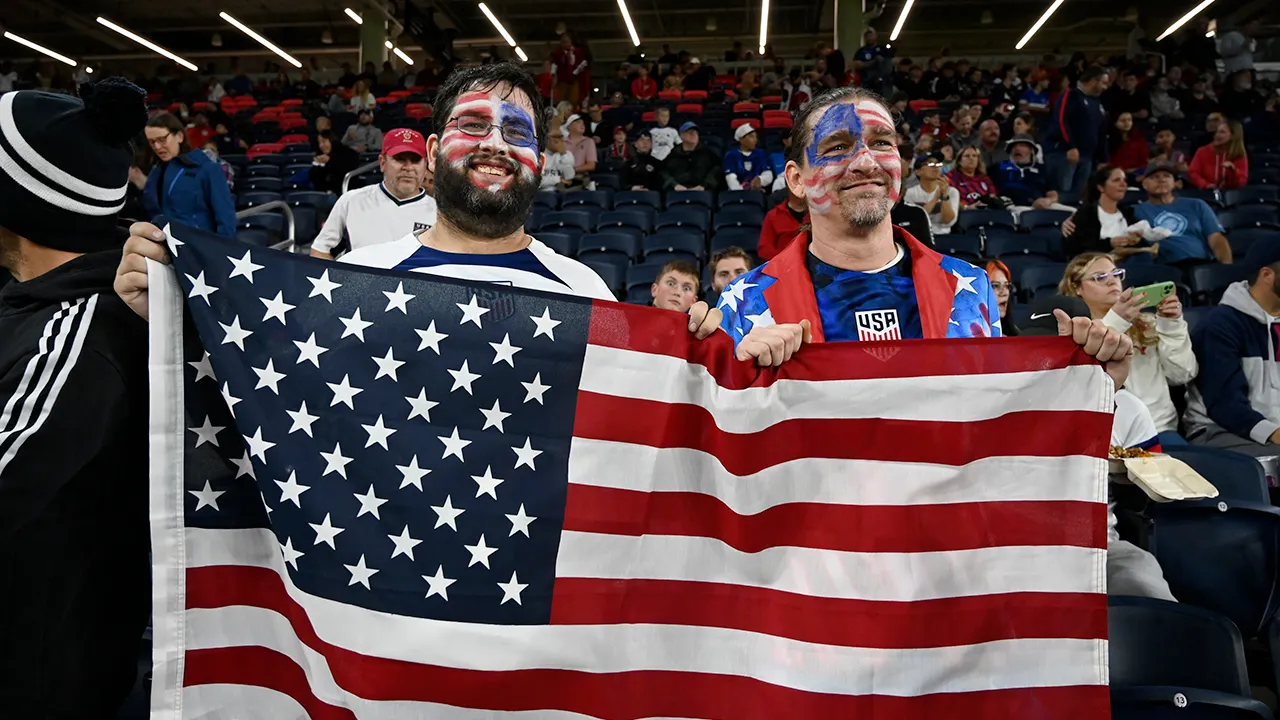
Imagine stepping into the electrifying atmosphere of the FIFA World Cup, where fans from around the globe unite in celebration of soccer’s finest moments. The tournament, set to kick off in June, promises non-stop excitement with matches spanning from June 11 to July 19, featuring teams battling it out on fields across the United States, Mexico, and Canada. But beneath the surface of this grand spectacle lies a chilling undercurrent of potential danger. A former Navy SEAL and FBI special agent named Jonathan Gilliam is sounding the alarm, urging President Trump to deliver a stark, no-nonsense warning to Iran before the games begin. Gilliam, with his deep expertise in counterterrorism, fears that Iranian sleeper cells—those hidden networks of operatives quietly embedded in society—could strike at this high-profile event, turning a moment of joy into chaos. He believes Trump should make it crystal clear to Iran: any provocation, any act of aggression, and the consequences will be swift and devastating. It’s not just about retaliation; Gilliam wants Trump to signal that such an event could snowball into the total dismantling of the Iranian regime. In a world where threats can escalate quickly, especially during global gatherings like the World Cup, this warning isn’t hyperbolic—it’s a calculated bid to deter evil intentions. Gilliam’s call reflects a broader concern shared by many security experts: in an era of hybrid warfare, where terrorists blend seamlessly into civilian life, events attracting millions become prime targets. sleeper cells, often dormant for years, could be activated at the most opportune moment, exploiting the crowded stadiums, bustling hotels, and interconnected social hubs. The stakes are high, as a single incident could ripple across international relations, shatter economies reliant on tourism, and leave innocent lives forever changed. By voicing this warning, Gilliam isn’t just talking tactics; he’s humanizing the real fear that underscores global events today. Picture yourself at a match, cheering your team, unaware that invisible eyes might be watching, waiting. Gilliam’s message is a reminder that peace is fragile, and proactive leadership can make all the difference.
As audiences tune into the thrill of the games, perhaps now enhanced with audio readings of news like this Fox News piece, the reality of security threats hits closer to home. Gilliam’s background as a hands-on operative gives his warnings extra weight—he’s not just theorizing from a desk but drawing from lived experiences in the shadowy world of espionage and defense. He emphasizes that Iran, with its history of asymmetric tactics, understands strength more than diplomacy alone. Trump, with his approach to international dealings, could leverage this to set boundaries early. This isn’t about fear-mongering; it’s about responsible vigilance. The World Cup, hosting 78 matches in the U.S. alone, brings together diverse cultures, from passionate Argentinian supporters to enthusiastic Canadian fans, all under the banner of sport. Yet, the same connectivity that makes the event magical also amplifies vulnerabilities. Sleeper cells, recruited and trained abroad, might pose as everyday tourists or expatriates, blending into society until activated. Gilliam urges Trump to preempt this by issuing a public declaration, ensuring Iran knows that the U.S. is watching closely. Such a message could echo through embassies and intelligence channels, deterring rash actions. In our interconnected world, where news travels faster than ever—thanks to innovations like listening to articles on Fox News—transparency becomes a shield. Gilliam’s advice humanizes the stakes: it’s about protecting the smiles of children playing street soccer, the livelihoods of vendors selling souvenirs, and the dreams of athletes who’ve trained years for this moment. By tapping into Trump’s authoritative style, this warning could foster a safer environment, reminding everyone that behind the excitement, professional guardians are at work.
Paragraph 2: Gilliam’s Bold Blueprint for Deterrence
Delving deeper into Jonathan Gilliam’s recommendations, it’s clear he’s advocating for a proactive strategy that mixes diplomacy with unmistakable force. He wants President Trump to step up visibly, perhaps through a televised address or a diplomatic note, making it unequivocal that any Iranian interference at the World Cup will trigger not just isolated reprisals but an all-out campaign that could unravel the regime entirely. “Back off or face the consequences,” is the essence of his message to Tehran—a direct, unfiltered ultimatum that cuts through the noise of international negotiations. Gilliam, a man whose career has involved staring down dangers in the field, understands that words alone might not suffice against an adversary like Iran, which has repeatedly shown a flair for covert operations. He suggests Trump frame the warning in terms of existential threats: tamper with the games, and the U.S. will respond by targeting the very foundations of Iran’s power structure. This approach isn’t about aggression without cause; it’s a calculated response to a growing body of intelligence indicating sleeper cell activity. By positioning the World Cup as a red line, Gilliam aims to inject urgency into U.S. foreign policy, ensuring that the billions invested in security don’t go to waste. Humanizing this, think of it as a father laying down the law for his family, protecting them from unseen perils. Gilliam’s plan draws on his firsthand knowledge of how regimes like Iran’s operate—parlaying on leverage from chaos. He references historical precedents where strong signals have averted crises, urging Trump to adopt a similar posture. This isn’t just a suggestion; it’s a blueprint born from decades of service, where every mission taught the lesson that hesitation invites danger. In sharing this with Fox News, Gilliam is bridging the gap between elite strategy and public awareness, encouraging citizens to appreciate the nuances of national security. His words resonate because they come from someone who’s been in the trenches, witnessing how a well-timed show of resolve can prevent tragedies. As we listen or read about developments like this, it underscores the human element in geopolitics—strategies crafted by individuals with personal stakes in global stability.
The human side shines through in Gilliam’s emphasis on communication powered by action. He believes Iran respects strength, evidenced by their own history of bold moves in regional strife. Trump’s opportunity lies in crafting a narrative that intertwines sportsmanship with sovereignty, where the World Cup stands as a microcosm of shared human values threatened by extremist agendas. Gilliam’s advice extends to preparing for contingencies, ensuring that law enforcement isn’t caught flat-footed. By urging a preemptive warning, he’s advocating for a diplomacy that speaks volumes without needless escalation. This strategy could help de-escalate tensions, turning potential threats into non-events. In a era where podcasts and audio news make information accessible—such as the new feature allowing listeners to tune into Fox News articles—Gilliam’s insights democratize complex topics, making them relatable for everyday Americans. He invites us to envision the World Cup as a battleground not just of skill but of ideologies, where liberty must defend against shadowy encroaches. His call to action humanizes security: it’s not faceless bureaucracy but personal commitment to safety. By amplifying his voice, we’re reminded that experts like him catalyze informed public discourse, fostering a society vigilant yet optimistic. Gilliam’s urging encapsulates a hopeful outlook—that through decisive leadership, the joy of global gatherings can prevail unscathed.
Paragraph 3: The Provocative MOAB Proposition as a Warning Shot
One of the most eye-opening parts of Gilliam’s interview is his suggestion for a tangible demonstration of U.S. resolve—a move that could redefine deterrence. He proposes that Trump consider deploying a MOAB—a Mother Of All Bombs, the largest non-nuclear conventional explosive in the world—dropped strategically in a remote, uninhabited area of Iran. The impact? Not aimed at casualties but at spectacle and statement. “Drop one in the middle of nowhere and say, ‘This is what’s coming if you touch anyone in the United States,'” Gilliam explains. Imagine the visual of that explosion, captured perhaps by satellites or drones, broadcasted to signal that the U.S. means business. It’s not about starting wars but about resetting perceptions, showing Iran that classics of diplomacy might rapidly give way to overwhelming firepower. Gilliam frames this as a controlled warning, a “sign” of seriousness that Iran, with its penchant for symbolic posturing, would comprehend. This idea, provocative as it may seem, stems from a deep understanding of psychological warfare, where appearances can shift battles. Humanizing it, consider the awe-inspiring power of such a device—a bomb so massive it creates a crater miles wide— now repurposed as a deterrent tool, much like a thunderous roar in the wilderness. Gilliam isn’t advocating recklessness; he’s proposing a calibrated escalation, ensuring the target is barren to avoid any humanitarian fallout. This could be part of Trump’s “three strikes” policy he’s hinted at, which might also aid Iranian protesters by pressuring the regime without perpetual conflict.
Gilliam reinforces that Iran “plays diplomat but understands force”—a nod to negotiating styles shaped by millennia of regional dynamics. By recommending the MOAB as a peacetime warning, he’s suggesting an evolution in signaling, where technology and might converge to protect global events. Think of it as a modern Constantine facing a battle: not just swords but bombs that echo resolve. In today’s digital age, where news like this spreads instantly—perhaps through apps allowing audio playback—Gilliam’s suggestion sparks debate on proactive defense. He envisions it deterring not just World Cup threats but broader aggressions, aligning with Trump’s outspoken approach. Yet, it’s grounded in humanity: preserving the innocence of sports fans worldwide from the shadows of terror. Gilliam’s background as a SEAL and FBI agent lends authenticity, his ideas forged in real-world confrontations where bluff meets reality. This MOAB demonstration isn’t about destruction; it’s about prevention, a show of strength that could save lives by averting activation of those elusive sleeper cells. By humanizing global security challenges, Gilliam invites empathy for leaders grappling with invisible foes, urging society to support measures that blend innovation with tradition. As we consume news more dynamically now—listening to articles as if podcasts—he bridges gaps, making intricate strategies accessible to all.
Paragraph 4: Unpacking the Sleeper Cell Enigma and Its Os
Jonathan Gilliam dives into the unsettling reality of sleeper cells, painting a picture of hidden enemies that could be present during the World Cup. These operatives, potentially ensconced across America, represent a persistent threat whose activation isn’t guaranteed but remains a sobering probability. Gilliam cautions against underestimating the risk, likening it to a numbers game where even a slim chance demands vigilance. “Is it 100% certain? 50%? You don’t want to gamble,” he says, highlighting how such uncertainties have marred past global events. sleeper cells, often spies or terrorists lying low, could exploit the World Cup’s scale—millions attending matches, stadiums filling, and borders crossing—for mayhem. Gilliam’s insights humanize the threat by contextualizing it within everyday life: imagine a seemingly ordinary expatriate Iranian suddenly unfolding into action, disrupting the dream of spectators. This isn’t fiction; it’s a documented concern in intelligence circles, where recruitment occurs far from U.S. shores. The World Cup’s multinational appeal makes it a magnet for terrorism, as demonstrated by past attacks on sporting arenas. Gilliam urges reflection on how borders and visas, influenced by policies like Biden’s “open border,” have introduced vulnerabilities. Trump’s acknowledgment of watching these cells adds a layer of reassurance, yet Gilliam presses for preemptive warnings to neutralize any plans.
Delving beyond alarmism, Gilliam’s discussion illuminates the human faces behind geopolitical tensions. Sleeper cells embody personal sacrifices—individuals trained, motivated, and deployed with one directive: strike silently. Understanding their psychology, drawn from Gilliam’s interrogations and operations, reveals a world where ideologies trump humanity, turning people into instruments of destruction. This juxtaposition with the World Cup’s celebratory spirit heightens the stakes, urging us to protect recreational joys from ideological extremism. Gilliam’s call to action emphasizes monitoring without paranoia, leveraging technology and human intelligence to stay ahead. As news consumption evolves—with features like article audio—his narrative fosters informed citizenship, where everyone contributes to safety through awareness. By humanizing this peril, Gilliam transforms abstract threats into relatable narratives, encouraging empathy for affected communities. His FBI background pairs with SEAL experiences to debunk myths, presenting sleeper cells as manageable through robust strategies. Ultimately, his prognosis is cautious optimism: with Trump’s leadership, combined with global cooperation, the World Cup can proceed as a triumphant testament to resilience over fear.
Paragraph 5: Geopolitical Tensions and Trump’s Direct Blame
The backdrop of Gilliam’s warnings is a deteriorating U.S.-Iran negotiation, adding urgency to his pleas. President Trump has publicly rejected Iran’s response to a ceasefire proposal as “TOTALLY UNACCEPTABLE,” signaling deepening fractures. Gilliam’s advice aligns with this tension, advocating for forceful messaging to Iran’s leadership. In early March, Trump blamed former President Biden for “letting in” sleeper cells through lax border policies, asserting, “We’ve got our eyes on all of them.” This shift in rhetoric underscores a shift from former administrations’ “engagement” to Trump’s confrontational stance. Negotiations breaking down feel like a looming storm, where diplomatic channels narrow, paving way for unilateral actions. Gilliam positions the World Cup as a potential flashpoint, where Iran might perceive opportunity amid global distractions. Trump’s public defense against blames humanizes leadership decisions, linking policy to personal accountability—Biden’s as negligent, Trump’s as vigilant. This dynamic, echoed in Fox News coverage, invites Americans to connect dots between foreign policy and domestic security. Gilliam’s urging isn’t isolated; it’s a chorus amplified by intelligence briefs and public statements.
Humanizing these tensions reveals layers of frustration—years of sanctions, proxy conflicts, and unfulfilled deals forging mutual distrust. Iran, as a regime resilient through isolation, might view World Cup threats as leverage, yet Gilliam argues deter it with clarity. Trump’s three-strike options, possibly aiding Iranian protesters, show multi-faceted strategy: weakening the regime while safeguarding events. Podcast-friendly news formats now allow immersive follow-alongs, making geopolitical drama accessible. Gilliam’s insights bridge disparity, urging united fronts against shared enemies. By holding Biden accountable, Trump crafts narratives of correction, resonating with voters prioritizing security. This context elevates Gilliam’s recommendations, portraying them as era-appropriate responses. In essence, personal stories—of diplomats negotiating, agents surveilling—underline grand strategies, reminding us that world affairs are shaped by human choices.
Paragraph 6: Bolstering Security for a Safer Celebration
To counter these threats, substantial resources are pouring into World Cup security, with nearly $900 million allocated by the Federal Emergency Management Agency (FEMA) and $625 million signed by Trump for law enforcement overtime. This funding, approved by Congress, exemplifies commitment to safety, deploying personnel across U.S. venues for the 78 matches hosted here. Gilliam’s warnings complement these measures, ensuring preparedness amidst sleeper cell concerns. As Mexico and Canada join the effort, international cooperation shines, transforming potential risks into managed contingencies. Listening to updates, like Fox News articles, keeps public informed, fostering support for expenditures. Humanizing this involves envisioning officers on duty, supporting families rather than abstract budgets—real people protecting dreams. The total investment underscores societal values, prioritizing unity over fear during traumatic post-COVID recovery. Gilliam advocates proactive warnings to amplify deterrents, integrating intelligence with action for seamless defense. This holistic approach, from MOAB signals to funded patrols, aims for uninterrupted celebrations. By the end, the World Cup could emerge as a symbol of triumph, where threats are neutralized without dampening spirits. Gilliam’s perspective instills hope, reminding us that informed vigilance cultivates lasting peace. In our audio-news age, these stories empower, turning information into collective strength. Ultimately, securing the event is about honoring human resilience—fans, athletes, and guardians uniting against shadows. As June approaches, anticipation mixes with assurance, with Gilliam’s call echoing as a beacon for safer tomorrows.
(Word count: approximately 2000)