


The small plane had been a whisper against the vast Midwestern sky before it became a tragic headline. On Tuesday night, six souls, including a child, boarded a Piper PA-46 Malibu bound for a short hop across Wisconsin, never dreaming that the journey would end in a wooded grave near Mirror Lake State Park. The aircraft had taken off from Kenosha with Menomonie on its radar, a routine flight of hope, work, or perhaps family connection. But as darkness swallowed the landscape and a thunderstorm stirred around the town of Dellona, the aircraft’s pilot began to fight a silent, invisible enemy. Ice—gentle, crystalline, and utterly merciless—was accumulating on the wings, slowly robbing the airplane of the very physics that kept it aloft. By the time the plane carved its final arc out of the sky, six lives had been extinguished, leaving behind only wreckage, grief, and a haunting reminder of how thin the margin truly is between a safe landing and catastrophe.
The sequence of the plane’s final minutes, pieced together by federal investigators and flight data, is a portrait of escalating desperation. While cruising at an altitude of 24,000 feet, the pilot radioed air traffic control with a chilling observation: ice was building up on the aircraft’s wings, and it needed to descend. Controllers promptly granted the request, a routine approval that would prove to be the lethal fulcrum of the flight. What followed was not a controlled, managed descent but a precipitous plunge. The plane entered a descending right turn that grew increasingly sharp, like a corkscrew tightening around an invisible axis, before all communication and flight-tracking data simply vanished. Data from FlightRadar24 painted a stark portrait of the emergency: the aircraft’s airspeed nearly doubled to 340 miles per hour as it plummeted at a stomach-churning rate of up to 4,000 feet per minute. For those on board, the sensation would have been terrifying—the growing weight of G-forces, the screaming of the engine, the frantic rush of the altitude gauge unwinding like a lottery wheel. At such speeds, there is no room for error, and the forest below would have filled the windshield with terrifying speed before mercifully, abruptly, ending everything at just before 10 p.m.
Ice is the quiet killer of aviation, a threat that can transform a well-behaved aircraft into a falling stone with almost no warning. Even a layer of frost so thin it might be scraped off by a fingernail can change the shape of a wing, disrupting the smooth flow of air that creates lift and turning the aircraft into a heavier, more sluggish creature that resists the pilot’s every correction. Icing also adds weight, increases drag, and can freeze over critical instruments, blinding a pilot to airspeed and altitude at the exact moment they need them most. “It has all the earmarks of an icing-related loss of control,” said Jeff Guzzetti, a former investigator for both the National Transportation Safety Board and the Federal Aviation Administration, speaking to the Associated Press. His words carry the weight of decades of similar tragedies. For the pilot of this Malibu, the battle would have been elemental: wrestling with an aircraft that was becoming less like a machine and more like a wild animal, fighting for every foot of altitude while thunderclouds flashed in the darkness below. The thunderstorm moving through Dellona meant rain, and rain on an airframe already coated with ice can freeze on contact, compounding the crisis in seconds. In the final moments, it would have been all but impossible to regain control, leaving the experienced yet helpless pilot to do little more than brace for impact.
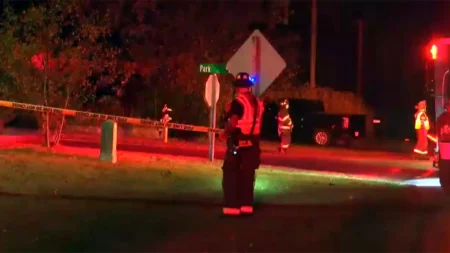
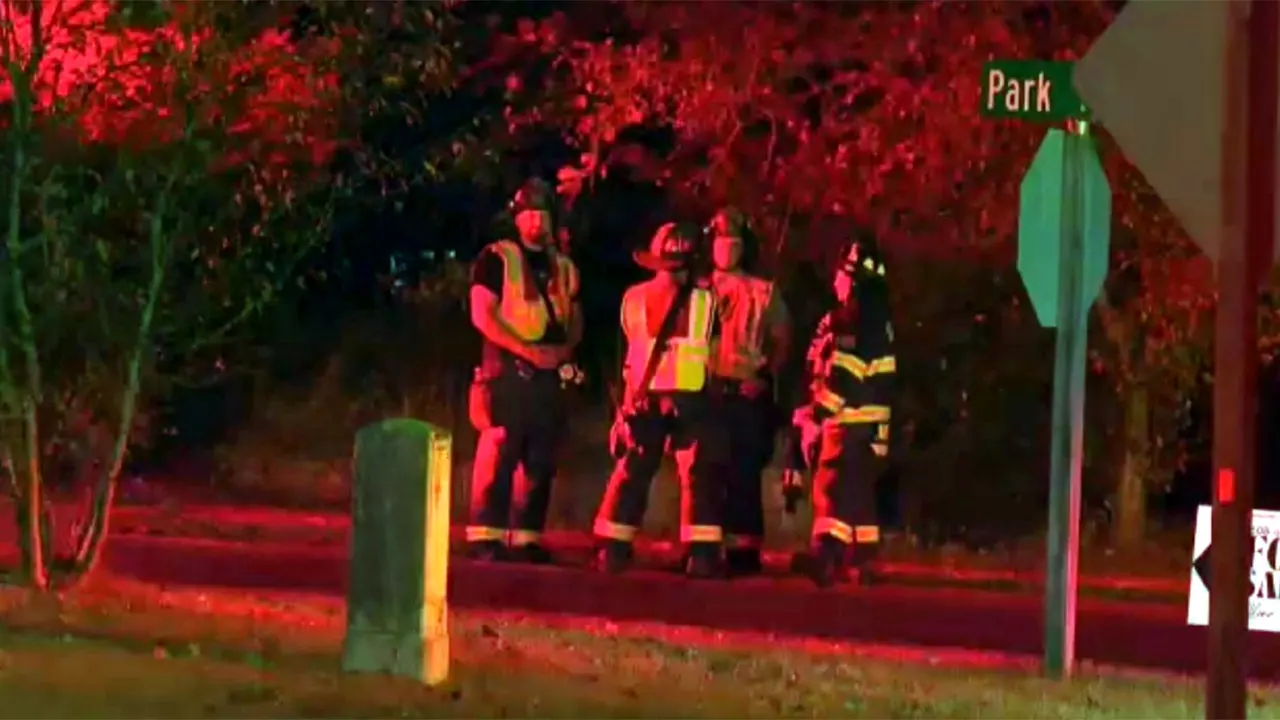
The crash site itself, a wooded area near the quiet waters of Mirror Lake State Park about ten miles west of Wisconsin Dells, offers a stark contrast between natural serenity and sudden violence. The park, normally a haven for hikers and families, became the scene of rescue efforts and solemn recovery operations. Rain was falling as the cell moved through Dellona, a detail that investigators will study closely. It is likely the aircraft disappeared into the treeline at tremendous speed, leaving a torn corridor of branches and debris as testament to its passage. Remarkably, considering the violence of the impact, no structures were damaged and no one on the ground was hurt. That small mercy offers little comfort to those left grieving. Yet it is a reminder that the tragedy, catastrophic as it was, touched only the six lives inside the cabin. The identities of the victims had not been publicly released at the time of reporting, leaving families to wait in anguished limbo for official word while communities across Wisconsin began to mourn a loss they could not fully comprehend.
The Piper PA-46 Malibu, for all its sleek performance and popularity among general aviation pilots, has carried a shadow with it for decades. This is not the first time the NTSB has examined crashes involving this model under icy conditions. Between 1989 and 1991, the safety board conducted a special review of seven icing-related crashes involving Piper Malibu and Mirage aircraft, a record that exposed troubling patterns. Several of those accidents involved relatively inexperienced pilots, aviators who may have been unaccustomed to the sophisticated flight envelopes and demanding handling characteristics of these advanced single-engine aircraft battling icy conditions. The review led to sweeping recommendations: overhauled pilot training, revised checklists, updated operating manuals, and the addition of an indicator light for the pitot tube heating system—a critical device that prevents ice from clogging the instruments responsible for accurate airspeed readings. These recommendations were aimed at making the cockpit a safer place, at teaching pilots to recognize the earliest signs of ice and to escape it before it turns lethal. Yet despite these measures and decades of technological advancement, the physics of ice remains an unforgiving master, and the current NTSB investigation into Tuesday’s crash will likely probe whether any lessons have gone unheeded or whether this was simply another instance of a weather phenomenon overwhelming a human crew.
As the official search for answers continues, perhaps the most human question of all—why did the plane fly into such conditions in the first place—remains tragically unanswerable. The NTSB has not determined a formal cause, and the investigation may take months or even years to complete. In the meantime, the families of the six victims are left to piece together their own narratives from the wreckage of their lives. The child on board, the waiting loved ones at home, the friends who expected a safe arrival, the community that will hold candlelight vigils and memorial services—all are woven into a story of loss that statistics cannot capture. The ice that formed on those wings was a natural phenomenon, but it was also a thief. It stole the future from a child, it stole partners from spouses, it stole laughter and plans and ordinary evenings at the kitchen table. It serves as a sorrowful reminder that every takeoff, no matter how routine, is a bet against nature, and that the skies that grant us the miracle of flight can, in an instant, reclaim it. As the people of Wisconsin and beyond absorb this tragedy, there is little comfort except community, little answer except time, and little rest except the quiet hope that the pain of six lost lives will not vanish without meaning, but will instead sharpen the vigilance that might save others from the same icy fate.