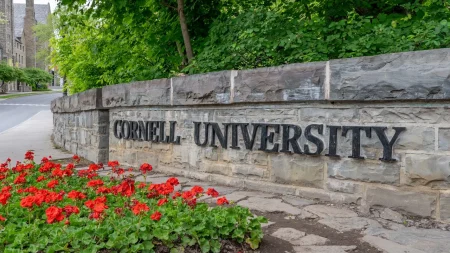



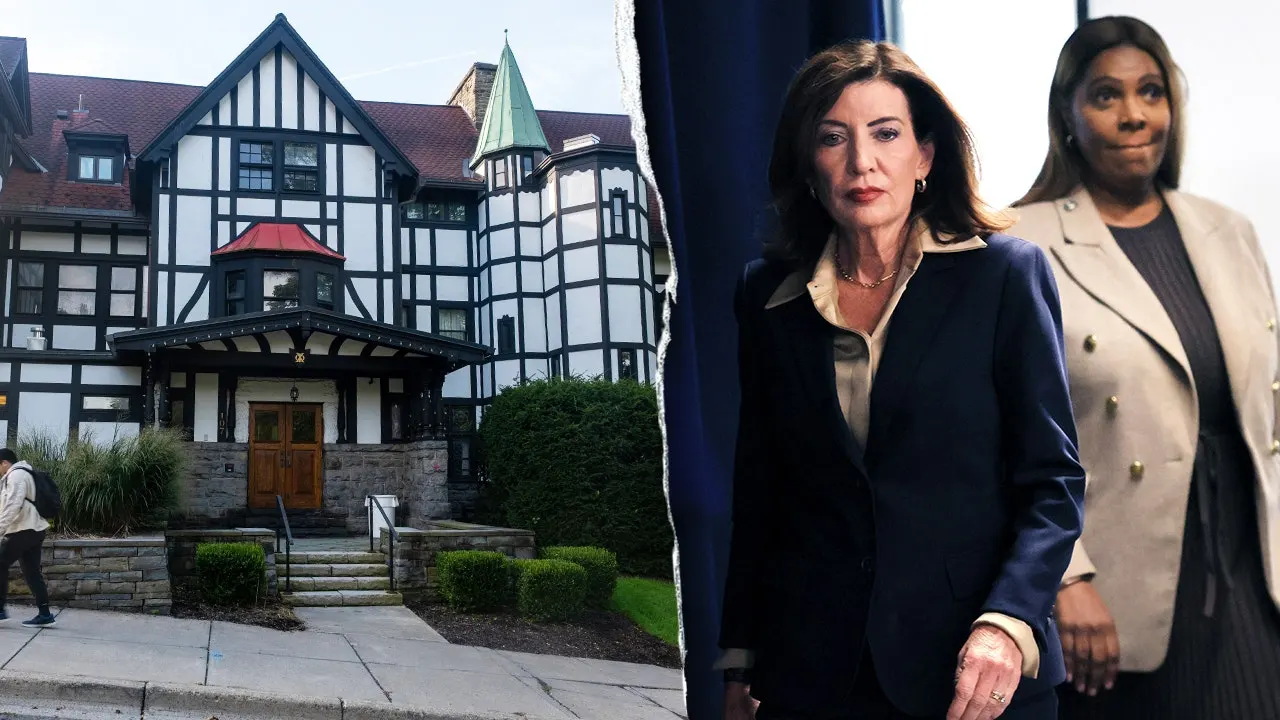
When Jane Doe walked into the Chi Phi fraternity house on a cool October night in 2024, she was, by her own account, already unsteady on her feet. A twenty-year-old Cornell University junior, she had spent the evening drinking vodka at her sorority, then moved through a pair of downtown Ithaca bars before walking alone to meet a friend. What happened inside that house over the next several hours would shatter her sense of self, divide her campus, and eventually ignite a national reckoning over sex, consent, and the blurred lines of college hookup culture. Today, seven former Chi Phi brothers stand accused in a sweeping civil lawsuit of drugging and raping Doe during a night of drinking, drugs, and group sex. The men deny the allegations, with some insisting the sexual activity was consensual and others saying they took no part in it. No criminal charges have ever been filed. But the case has exploded far beyond a single fraternity house, touching off furious debate about how universities, police, and prosecutors handle sexual assault claims involving intoxicated young people—and whether the justice system failed a woman who says she was violated while incapacitated.
The lawsuit, filed nearly two years after the night in question, paints a harrowing picture. Doe says she arrived at Chi Phi visibly intoxicated after consuming roughly ten standard drinks over three hours. Inside, she alleges, a fraternity member handed her another beer and then proposed a threesome with another brother. She says she was too drunk to consent. From there, she claims she was taken upstairs, where two men pressured her into snorting what they told her was ketamine—a drug she had never used before—along with marijuana and high-proof liquor. What followed, according to the complaint, was a sequence of sexual encounters that she says were nonconsensual and that left her increasingly impaired and eventually “completely incapacitated.” The lawsuit includes a screenshot of a Snapchat message sent at 1:42 a.m. to a group of active Chi Phi members: “free p—y.” That message, Doe alleges, was an invitation for other brothers to come upstairs. CBS News later reported additional messages from that night, including a photo of Doe with another man shared with dozens of fraternity members. One participant wrote, “Like you can walk in and whip it out,” and another asked, “Shop still open?” The reply: “Yeah.” The final alleged assault, Doe says, ended around 5:45 a.m., when she lost consciousness. It is a story of shocking predation, but also one of deep ambiguity, because the evidence surrounding that night is far from simple.
In the days and weeks that followed, Doe’s own account evolved in ways that prosecutors and defense attorneys have seized upon. When she returned to her sorority house around 11:15 a.m., she told roommates she had taken ketamine and had sex with multiple men. One roommate said Doe did not initially call it rape or assault; another recalled she seemed “in shock” and didn’t grasp the gravity of what she was describing. The next day, one of the men she would later accuse texted her, apologizing and saying he felt terrible that he and another brother had been too intoxicated to stop things before they got “way out of hand.” Doe replied that “none of the sexual stuff was illegal” and said she had enjoyed being with the two men. But other evidence shows she was struggling. On October 22, she visited Cornell Health for a urinary tract infection and STI testing, telling a doctor she had contracted the infection “in a traumatic way.” She grew increasingly distressed as word of the encounter spread across campus. A roommate told investigators that Doe initially described it as a “crazy thing that she had done,” but that her understanding shifted after they discussed portions of the night and the roommate suggested some of it could constitute rape. Then, about a week later, Doe discovered an anonymous online post claiming Chi Phi members had been “gang banging” and that a sophomore had been gang raped. She later said that post was a turning point: “That’s the first time I had ever heard the narrative change that I wasn’t a whore and that I was assaulted.” By November 3, she texted that “90% of what happened that night was not consensual.” Four days later, she went to an emergency room and requested a rape kit.
The central controversy now is not just what happened that night, but whether the criminal justice system ever saw the full truth. Tompkins County District Attorney Matthew Van Houten initially declined to prosecute, saying Doe’s November 2024 sworn statement did not allege she was drugged against her will or gang raped. Instead, he said, it described her participation in drug use and sexual conduct as “voluntary, conscious, and consensual.” That statement, a six-page document prepared by a Cornell University Police investigator and signed by Doe, was what prosecutors received. But CBS News later obtained the full transcript of Doe’s two-day interview with campus police, and it tells a different, more complicated story. In that transcript, Doe tells investigators she was “100% confident” she was raped, describes later sexual activity as coercive, and says she was “completely and totally incapacitated.” She also distinguished the initial sexual encounter, which she said she had been “pretty OK with,” from what happened later in the night. When CBS presented the full transcript to Van Houten this week, he acknowledged he had never seen it. “That wasn’t information that I had,” he said, adding that its existence “changes the landscape for me.” The revelation has raised troubling questions about whether Cornell police deliberately withheld exculpatory or inculpatory evidence, and whether the district attorney made his decision based on an incomplete record. Van Houten has since reopened the investigation, met with Doe and her attorneys, and announced plans to present the case to a grand jury. New York Governor Kathy Hochul has now appointed the state Attorney General’s office as special prosecutor, taking the case out of local hands entirely.
The institutional response has been just as contentious. Doe’s civil lawsuit names not only the seven fraternity brothers, but also Cornell University, Chi Phi, her own Tri Delta sorority, and Moonies Bar & Nightclub, alleging that the institutions around her failed to protect her before, during, and after the events of that night. The complaint notes that Doe was under 21 and had been marked with an “X” at Moonies, yet was still served alcohol. Cornell, for its part, says it conducted its own Title IX investigation and imposed serious consequences: two students were expelled, two were suspended for at least two semesters, one graduated before discipline could be imposed, and two were found not responsible. The university has pushed back against suggestions that it let the accused off lightly, saying no student was offered essays as a punishment and calling such claims “false.” Still, the case has cast a harsh light on campus culture. A 2025 university survey found that more than 35% of female undergraduates reported experiencing nonconsensual sexual contact involving force, threats, or incapacitation—up from 23% in 2023, though only about 15% of invited students responded. Cornell has agreed to retain outside counsel to conduct an independent review of its handling of the allegations, and the state Attorney General’s office will now lead the criminal investigation. For Doe, the legal fight is far from over, but she has already achieved something significant: forcing the world to look at what happened to her, and to ask whether the system failed her at every turn.
At its core, this case is about the terrifying gap between how sexual assault is experienced and how it is adjudicated. Doe was a young woman who drank too much, made choices she later regretted, and found herself in a situation that spiraled far beyond anything she could control. Her own words in the aftermath were messy, contradictory, and human—she laughed about the encounter one day, called it rape the next, and struggled to reconcile what she remembered with what she was told. That messiness is exactly why so many sexual assault cases never make it to court, and why victims are often afraid to come forward. The men accused of assaulting her have their own stories, and their attorneys argue that the lawsuit is “intentionally dishonest” and that the evidence, including Doe’s own statements, does not support a finding of criminal conduct. But the Snapchat messages, the photograph, the “free p—y” post, and the image of a young woman lying unconscious in a fraternity bedroom at dawn are difficult to dismiss. The case has become a referendum on college hookup culture, on the responsibility of fraternities and universities, and on the willingness of prosecutors to believe women when they say they were too drunk to consent. For Jane Doe, the fight is not just about money or punishment. It is about being heard, about reclaiming a narrative that was taken from her, and about hoping that her pain might spare another young woman from the same fate. As the special prosecutor begins its work, the nation is watching—and the answer will reverberate far beyond Ithaca.