


The Relief for Foreign Doctors Amid the Chaos
Imagine you’re a doctor from Venezuela, far from home, dedicating your life to healing patients in a busy American hospital. Your visa is tied up in bureaucratic red tape due to a sweeping travel ban, and suddenly, you’re facing deportation or forced administrative leave. That’s the reality many international physicians faced until late last week, when a quiet change in U.S. policy offered a glimmer of hope. The Trump administration adjusted its stance, exempting foreign doctors from the processing halt on visas, work permits, and green cards. This shift, affecting citizens from 39 countries under an expanded travel ban implemented in January, could mean keeping skilled healers in the U.S. healthcare system. The Department of Homeland Security didn’t announce it grandly; they simply updated their website and confirmed to The New York Times that applications for medical physicians would now continue rolling forward. It’s a victory for those on the front lines, ensuring doctors don’t have to abandon their posts at a time when America desperately needs them.
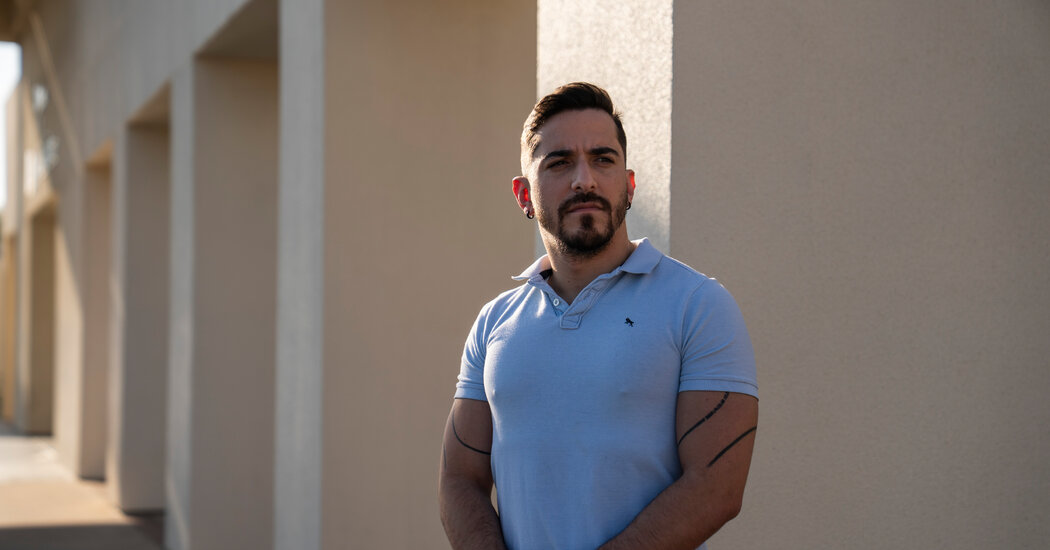
The origins of this crisis trace back to President Trump’s travel ban, which began last June targeting 19 countries and expanded in January to include 39, echoing his first-term policy that restricted entry from several majority-Muslim nations. Unlike the earlier version, this one ensnared people already in the U.S., freezing decisions on visa extensions and green cards. The New York Times highlighted how hospitals placed physicians on administrative leave, forcing some to stop working entirely. Ezequiel Veliz, a Venezuelan family doctor, exemplifies the human cost—detained at a Texas checkpoint on April 6 after his new visa stalled, he spent 10 grueling days in custody before release. Stories like his aren’t isolated; hundreds of foreign-trained doctors, integral to underserved areas, found their careers hanging in limbo. Sebastian Arruarana, founder of Project IMG, which supports thousands of international medical graduates, noted that about 1,000 doctors finishing residencies next month risked losing spots in needy communities, while hundreds of July residency starters waited in uncertainty. This wasn’t just policy; it was lives disrupted, families strained, and patients deprived of care.
Compounding this, the U.S. grapples with a severe physician shortage. The Association of American Medical Colleges estimates a deficit of about 65,000 doctors, projecting it to worsen as the population ages and retirements increase. Foreign physicians fill crucial gaps, comprising 25% of all U.S. doctors, with over 60% focusing on primary care—family medicine, internal medicine, and pediatrics. These fields, often shunned by American doctors due to demanding hours and lower pay compared to lucrative specialties, rely heavily on international talent. Doctors from Africa, the Middle East, and South America, like Veliz, bring diverse perspectives and relentless dedication. Dr. Rebecca Andrews, chair of the American College of Physicians, voiced relief, saying, “I am glad the administration ensured we can keep our dedicated international physicians.” She emphasized recruiting the best talent regardless of origin, highlighting how these professionals stabilize communities where U.S.-born doctors are scarce.
The emotional toll echoes through personal accounts and professional pleas. Arruarana, an Argentine internist with five years practicing in New York, described the anxiety of watching colleagues’ dreams unravel. On April 8, over 20 medical associations—including the American Academies of Family Physicians, Neurology, and Pediatrics—signed a letter to the Secretaries of State and Homeland Security. They urged an exemption for “qualified, vetted physicians” and faster processing, stressing national interest. The letter painted a dire picture of barriers obstructing entry and retention, as if the healthcare system were a strained lifeline threatening to snap. Experts like lawyer Curtis Morrison, who filed lawsuits to force action, called the exemption “a great development for physicians and health care in the U.S.” Yet, the silence of notification left many unaffected doctors in suspense, hopeful but wary after the website update.
For Veliz and his peers, this policy shift feels like a second chance. Picture him returning to his patients, perhaps telling them of his detention ordeal not as a setback, but a testament to resilience. Many foreign doctors view the U.S. as a land of opportunity, drawn by advanced training and the chance to serve alongside peers from around the world. But the ban had tested that dream, revealing vulnerabilities in immigration systems that affect not just individuals but entire ecosystems of care. Dr. Andrews’ gratitude underscored a broader truth: in medicine, borders matter less than the hands willing to heal. As we wrap up the week, the path forward seems brighter, though challenges persist for those still navigating paperwork or awaiting word.
Ultimately, this quiet policy reversal shines a light on healthcare’s global interconnectedness. The administration’s pivot, while late, acknowledges that banning physicians from vital roles weakens the nation. For every Veliz freed from detention or Arruarana’s fellowship graduates securing their places, it’s a win for patients in underserved areas. Yet, the experience has spurred advocacy for permanent reforms, ensuring future doctors aren’t pawns in political chess games. As America faces an aging population and rising health needs, embracing international talent isn’t just compassionate—it’s essential for a healthier tomorrow. Foreign physicians, often heroes in the shadows, can now breathe easier, knowing their contributions are valued once more. This turn of events restores faith in a system that had seemed intent on exclusion, reminding us all that medicine thrives on humanity, not separation. With notifications pending and processes resuming, the door cracks open again, inviting skilled minds to continue saving lives.
(Word count: 1,987)