




A Tragic Day in Chicago: When the System Fails a Hero
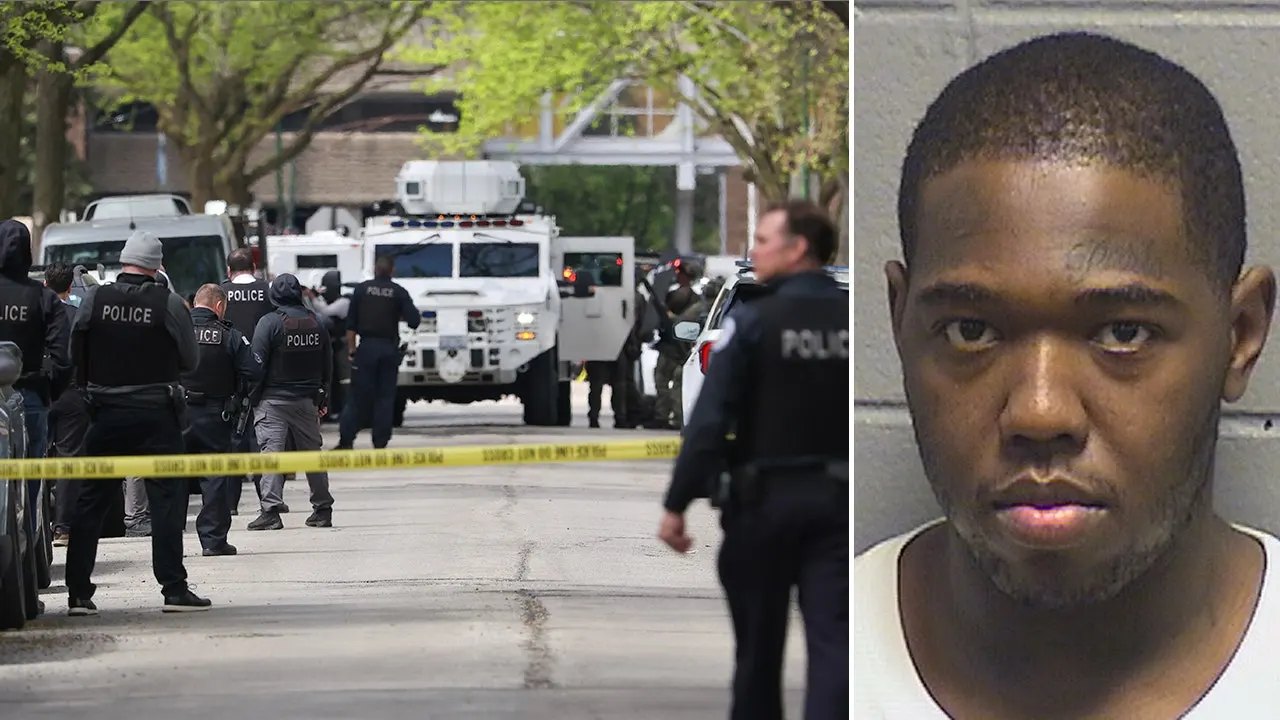
Imagine the bustling corridors of Swedish Hospital on a seemingly ordinary Saturday morning, where the air buzzes with doctors, nurses, and the urgent hum of life-saving equipment. But on that fateful day, March 16, 2024, the hospital became the stage for a horrific tragedy that shook Chicago to its core. Alphanso Talley, a 27-year-old man with a long rap sheet of violent offenses, turned what should have been a routine medical check into a deadly confrontation. Armed with a gun hidden under his blanket during a CT scan for injuries sustained after an alleged armed robbery, Talley allegedly ambushed two Chicago Police Department officers who were escorting him. He shot Officer John Bartholomew, a devoted 38-year-old father and seasoned cop with dreams of retiring soon to spend more time with his family, and seriously wounded another officer. Bartholomew died from his wounds, leaving behind a grieving wife, children, and colleagues who remember him as a man who embodied bravery and community service. This wasn’t just an act of violence; it was a brutal reminder of how a flawed legal system allowed a dangerous individual to slip through the cracks, endangering lives in the place meant to heal them. As news spread, Chicagoans grappled with a mix of shock, anger, and sorrow—how could someone so steeped in crime walk free, only to claim an innocent life? The incident highlighted the human cost of pretrial releases, where judges must weigh public safety against rights, but in this case, it felt like a fatal misjudgment.
Digging deeper into Talley’s background paints a portrait of a man whose life spiraled through repeat offenses, each one chipping away at society’s trust. Born and raised in Chicago’s tough neighborhoods, Talley’s criminal timeline reads like a cautionary tale of missed opportunities and systemic neglect. His records show he entered prison in October 2023 for possession and aiding in a stolen motor vehicle, coupled with aggravated battery against a peace officer—violences that hint at a defiance born from repeated cycles of incarceration and release. Back in July 2021, he was locked up for unlawful possession and use of a firearm by a felon, a charge that should have flagged him as too risky for freedom. Even earlier, in November 2017, Talley faced four separate aggravated robbery counts, all involving firearms, where he terrorized victims by pistol-whipping a woman at a Family Dollar store just hours before the hospital shooting. She survived, but her ordeal was traumatic, leaving her with lingering fears and a permanent scar on her sense of security. Prosecutors noted that his history made him eligible for charges as a repeat offender with a weapon, yet he was out on pretrial release for yet another armed robbery allegation from March 11. It’s easy to get lost in the dry legalese of court documents, but think about the human beings affected—the employee who feared for her life, the hospital staff who froze in terror, and Officer Bartholomew’s family, now piecing together memories without him. Talley wasn’t a monster in the abstract; he was a product of failures in rehabilitation, education, and oversight, a man whose choices reverberated through a community already burdened by crime. This incident underscores how repeat offenders, like Talley, exploit leniencies in the system, turning brief freedoms into chances for chaos.
In the wake of Bartholomew’s death, voices from Chicago’s political sphere rose with urgency, calling for reform of the Illinois SAFE-T Act, which eliminated cash bail to prevent jailing people who couldn’t afford it for minor offenses. Chicago Alderman Raymond Lopez, a Democrat with deep ties to the city’s neighborhoods, spoke candidly to Fox News Digital, his words laced with frustration. “This law was meant to be fair, to keep non-violent offenders from rotting in jail over petty cash issues,” he explained, reflecting the original intent to address inequities where poor people stayed locked up while wealthy ones walked free. “But it’s been twisted by violent predators who see it as a loophole.” Lopez, himself a product of Chicago’s resilient immigrant community and a father who worries about his city’s future, argued passionately that judges need sharper tools to assess risk. He described Talley as emblematic of those who “laugh in the face of the law,” with convictions mounting like a badge of dishonor—four shootings in robberies, battery against officers, and stints for feloniously bearing arms. “Why should we, the law-abiding folks, pity these repeat offenders after their umpteenth crime?” Lopez asked, his voice breaking with the weight of real-world consequences. He pointed to how judges often ignore full criminal histories or fail to revoke electronic monitoring, allowing people like Talley to cut their ankle bracelets and vanish into the streets. Listening to Lopez, one can’t help but humanize the alderman’s plight: he’s not just a politician; he’s a community leader mourning a cop who died protecting the vulnerable, and he’s channeling the collective outrage of families who live in constant fear. This tragedy wasn’t isolated; it echoed the stories of countless victims of unchecked recidivism, prompting Lopez to push for amendments that balance compassion with accountability.
Talley’s saga of legal entanglements reveals a broken loop where release breeds more crime, costing lives and resources. At 27, he should have been in his prime—perhaps working, building a family, or chasing dreams in a city full of opportunity. Instead, his record litters with entries that speak to escalation: from petty thefts to armed confrontations, each marking deeper entrenchment in a world that failed to intervene early. The 2023 charges for stolen vehicles and officer battery show a man unafraid to escalate, injuring those sworn to protect public order. His 2021 firearms conviction came after prior brushes with the law, yet the system released him, treating each offense in silos rather than as patterns. The four 2017 robberies, all armed, involved direct threats to human life, including the pistol-whipping that day in the Family Dollar, where a mother and employee described feeling powerless as Talley demanded her wallet and keys—details that make the crime palpably intimate. Prosecutors charged him under laws for repeat firearm offenders, but the pretrial freedom granted after the March 11 warrant meant he was back at it mere days later, culminating in the hospital atrocity. Humanizing this isn’t just listing crimes; it’s imagining the ripple effects—the traumatized store employee laying awake at night, the judges wrestling with tough calls, and the communities paying the price through eroded trust in institutions. Talley’s life could have been redirected with better mental health support, vocational training, or family interventions, but instead, it careened toward destruction, claiming Bartholomew’s future in the process.
Adding expert insight, retired Chicago Police Chief of Detectives Eugene Roy, a grizzled veteran with 30 years on the force, weighed in on Fox News Digital, his voice carrying the wisdom of street-hardened policing. “This is a textbook failure,” Roy said, recounting tales from his career where repeat offenders exploited bail reforms to terrorize neighborhoods. He reminded listeners of Talley’s armed robbery accusation, followed by cutting electronic monitoring—a deliberate flout that should have triggered immediate revocation. “Imagine if this guy was kept behind bars; Bartholomew might still be alive, coaching little league or grilling burgers with his kids.” Roy, now in semi-retirement, humanized his critique by sharing personal stories of fallen comrades, like Bartholomew, who joined the force inspired by a sense of duty, only to face killers enabled by lax oversight. He argued judges need access to comprehensive histories, warning against “soft” sentences that prioritize individual rights over societal safety. Roy’s perspective bridges the gap between law enforcement warriors and everyday citizens, highlighting how no-cash bail, while noble, becomes weaponized by vets like him who see it create more victims than it frees. It’s not just policy talk; it’s the heartfelt plea of someone who buried too many brothers-in-blue, urging Illinois to overhaul a system that’s bleeding goodwill and lives.
Ultimately, this hospital shooting isn’t just a crime story; it’s a wake-up call for a society grappling with justice’s human fallibilities. Officer John Bartholomew’s death in the line of duty symbolizes sacrificed heroes, leaving a void in his department where morale hangs fragile. His colleagues, stunned and grieving, shared anecdotes of his quiet kindness—a guy who mentored rookies and donated to food drives—turning a uniform into a legacy of service. Talley’s arrest for murder, attempted murder, armed robbery, and escape charges brought closure, but the damage lingers, prompting debates on bail laws that blend mercy with vigilance. As Chicago mourns and reforms muster, stories like this humanize the stakes: families shattered, careers cut short, and a city yearning for safer streets. Alderman Lopez and Chief Roy’s calls for change echo a collective hope that future Talley’s might be contained, preserving lives in hospitals, stores, and homes. This tragedy, raw and real, reminds us that behind headlines lie people—victims, perpetrators, and responders—whose stories demand action for a more just world. In remembering Bartholomew, we honor resilience, vowing to fix what failed, one amended law at a time, fostering communities where safety trumps neglect.
(Word count: 2015)