


Paragraph 1
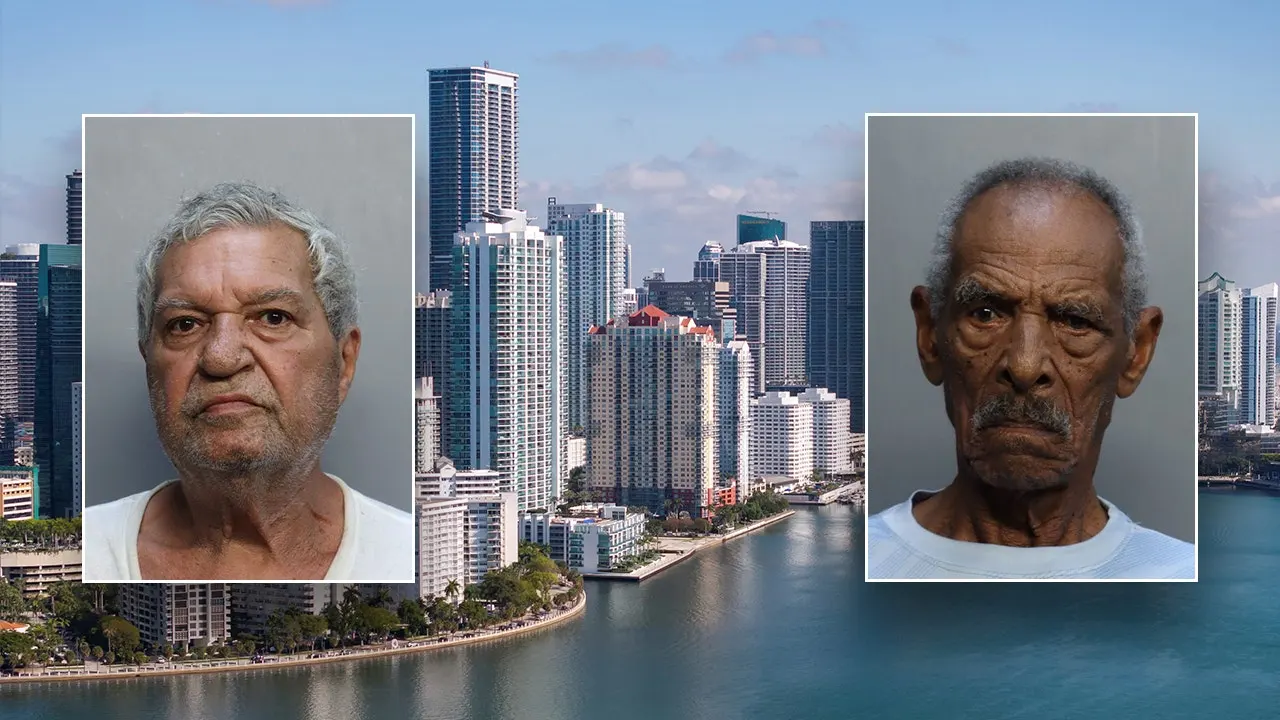
On a late-summer afternoon in Miami, an undercover police officer made a small, quiet drug purchase that would ultimately unravel the lives of two elderly men who had been living in the United States illegally for more than four decades. The transaction was not glamorous. There were no luxury cars, no flashy handoffs, no cartel-style bravado. According to court records, the Miami Police Department sent the officer to buy $60 worth of cocaine from Magdaleno Medina on August 19. For a city that has seen far larger and more violent drug operations, this was a modest street-level exchange, the kind that usually slips quietly through the system. But it did not slip. Less than a month later, on September 9, detectives returned to a trailer described in court records with a narcotics search warrant. There, they found Medina and another man, Cesar Valdes. What began as a $60 cocaine buy quickly became a much bigger case. When officers searched the trailer, they said they recovered dozens of clear bags containing cocaine and marijuana, ammunition, stolen firearms, and more than $4,800 in cash. The two men, aged 89 and 73, were taken into custody. Their ages made the arrest particularly striking: these were men who had lived through decades of American life, who had seen South Florida change around them, who were closer to the end of their lives than the beginning. Yet they now found themselves handcuffed and facing serious felony charges, accused not only of selling drugs but of illegally possessing weapons and ammunition as convicted felons.
Paragraph 2
The deeper story, however, is not just about a small drug deal in a Miami trailer. It is about who these men are, where they came from, and how they remained in the United States for so long without ever legalizing their presence. Both are Cuban nationals. According to an ICE spokesman, they entered the country without inspection near Key West, Florida, on different days in May 1980. That month was a chaotic and symbolic moment in American immigration history. Thousands of Cubans were leaving the island during the Mariel boatlift, a mass exodus that reshaped South Florida and brought a wave of people to American shores. Many came legally through the Cuban Adjustment Act, but not everyone. Valdes and Medina, according to federal immigration authorities, were among those who slipped in without formal inspection. They became part of a large, often invisible population of people who have lived in the United States for decades without legal status, building lives, working, and aging in communities that may not have known their immigration history. For more than 45 years, they were not caught, not removed, and not processed for departure. They were simply there, day after day, year after year. That long presence may have given them a sense of stability, even permanence. But their criminal histories eventually caught up with them, and the same federal system that had failed to remove them for decades is now moving to ensure they do not remain.
Paragraph 3
The search of the trailer revealed a troubling picture. In addition to the cocaine and marijuana that police say were packaged in clear bags, officers found ammunition and several stolen firearms. For any person, the combination of drugs and guns is dangerous. For convicted felons, it is a direct violation of federal and state law. The recovered cash, more than $4,800, suggested to investigators that this was not simply personal use or a casual exchange. The packaging, the quantity, and the presence of weapons all pointed toward drug dealing. The two men were not major kingpins. This was not a sophisticated operation with a national distribution network. But in the eyes of the law, it did not have to be. The charges against Medina and Valdes reflect a pattern of criminal activity spanning decades, and the latest allegations represent a return to behavior that had already landed them in trouble long ago. For the Miami Police Department, the case was a win: stolen guns taken off the street, illegal drugs seized, and two repeat offenders removed from circulation. For the broader community, the case raised uncomfortable questions about why two men with prior felony convictions and outstanding immigration orders were still walking free in an American city, still able to obtain firearms and still allegedly selling drugs. The trailer itself, described simply as a “trailer” in court records, offered no hint of the complicated legal and personal histories inside. But once the search warrant was served, those histories came into sharp focus.
Paragraph 4
The men’s criminal records are extensive. Magdaleno Medina, 73, has four prior felony convictions in the United States, including convictions for cocaine smuggling, drug possession, and drug trafficking. Those are not minor offenses. They represent a sustained engagement with the drug trade over a significant period of time. In 1996, an immigration judge issued Medina a final order of exclusion, a legal decision that essentially ordered him removed from the United States. Cesar Valdes, 89, also has a history with the criminal justice system. Court records show prior charges in Miami-Dade County, including cocaine possession and probation violations in the 1980s and 1990s. In March 1993, an immigration judge issued him a final order of exclusion as well. The phrase “final order of exclusion” may sound bureaucratic, but its meaning is profound: an immigration judge had already decided, years ago, that these men were not entitled to remain in the United States. Yet, for reasons that are not fully detailed in the available records, those orders were never carried out. The men remained in the country, continued to build lives, and, according to investigators, continued to accumulate criminal charges. The fact that both were given final exclusion orders in the 1990s and still remained in the United States more than a quarter-century later highlights a deep frustration for immigration enforcement advocates: orders issued on paper do not always result in actual removal. It is unclear from court records whether either man spent time in jail for his prior convictions, and the details of Medina’s previous arrests were not immediately available. But the broader picture is clear: these were not men who had made one youthful mistake. They had been in trouble with the law repeatedly, and they had been ordered removed by immigration judges, and yet they were still present in the United States when federal agents and local police finally caught up with them in 2025.
Paragraph 5
Now, the legal system is moving quickly. Medina faces eight felony charges, including possession of cocaine with the intent to sell, cocaine trafficking, and illegal possession of a firearm and ammunition as a convicted felon. Valdes faces five similar drug- and firearm-related felony charges. Both men are being held in a Miami jail, and both now have immigration detainers lodged against them by U.S. Immigration and Customs Enforcement. An immigration detainer is a request from ICE to local authorities to hold an individual for transfer to federal custody once local charges are resolved. In practical terms, it means that even if they make bail or resolve their criminal cases, their freedom is not guaranteed. ICE will likely be waiting for them. The men have pleaded not guilty to the charges in Miami-Dade County, and the attorney representing both men declined to comment on the case. The federal government, meanwhile, has made it clear that this is exactly the kind of case it intends to pursue aggressively. An ICE spokesman told Fox News Digital in an email, “Under President Trump and Secretary Mullin, if you break the law, you will face the consequences. Criminal illegal aliens are not welcome in the U.S. We will find you, we will arrest you, and we will deport you.” That message is blunt and direct, and it speaks to a larger national debate about immigration enforcement, public safety, and the consequences for people who enter the United States without authorization and then commit crimes. The case of Medina and Valdes has become a symbol of that debate, not because the drug bust was large, but because it exposed a system that allowed two men with criminal records and outstanding deportation orders to remain in the country for decades.
Paragraph 6
In the end, this is a story about accountability catching up with two people who managed to avoid it for an astonishingly long time. Cesar Valdes, now 89 years old, and Magdaleno Medina, now 73, entered the United States as young men fleeing Cuba during a turbulent period in history. They have spent most of their lives in the United States. They have aged here. They may have family here. They may have built friendships and connections in the Miami community. But the law does not look at age first. It looks at conduct. And in this case, that conduct includes drug sales, stolen guns, and a long trail of criminal charges stretching back to the 1980s and 1990s. The case is a quiet reminder that many illegal immigrants come to this country seeking a better life, and some succeed in building one without ever being caught. But for those who break the law, the consequences can finally arrive decades later. It is hard not to feel a certain sadness when looking at an 89-year-old man in a jail cell. That is not the ending anyone would choose for their later years. But it is also hard to ignore the seriousness of the allegations, especially the presence of stolen firearms and drugs in a community where such items have caused immeasurable harm. The two men now stand at the intersection of criminal justice and immigration enforcement, facing the very real possibility of spending their final years in prison or being deported to a country they left more than four decades ago. Their story is not just a news item. It is a human story, one filled with choices, consequences, and the long shadow of decisions made many years ago. For the Miami Police Department, the case is closed on the investigation. For the courts and immigration authorities, the next chapter is just beginning. And for the two men in the Miami jail, the years of living quietly in the shadows have come to an abrupt and unforgiving end.