




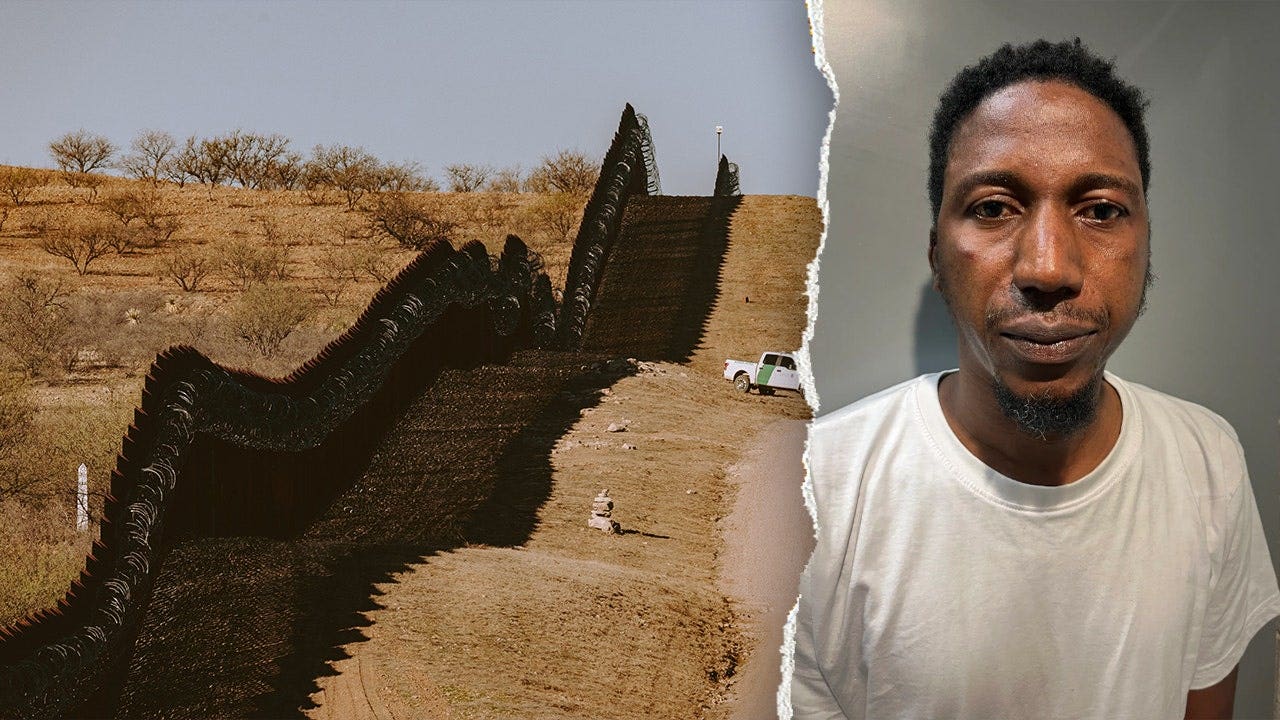
The news of a young teenage girl stepping into a rideshare vehicle, expecting a routine ride home, only to be violently attacked, is the kind of story that shakes a community to its core. In Maryland, that nightmare became reality when the teenager, bleeding and traumatized, was taken to a hospital where she bravely recounted the horror she had just endured. Her words would lead police to a parking lot in Silver Spring, where she said her Empower rideshare driver had pulled over and sexually assaulted her. The accused, Abdoulaye Dia, a Lanham, Maryland resident originally from Guinea, was quickly taken into custody. He now faces an alarming list of charges: first-degree rape, kidnapping, second-degree assault, and third-degree sex offense. While the legal system will now work to determine his guilt, the emotional wreckage left behind is immediate and undeniable. This is not just a case about one man and one victim; it is a story about trust betrayed in one of the most intimate and vulnerable ways possible. When we get into a vehicles with a stranger, we are extending a basic trust in humanity, a trust that this young woman had every reason to believe was justified when she summoned what should have been a safe ride.
Law enforcement officials worked quickly to piece together the chain of events that led to such a horrifying attack. The Montgomery County Police Department received a call from a hospital where the underage teen had arrived with a report of rape. There, in the sterile and sterile world of an emergency room, she told investigators that her attacker had been her Empower rideshare driver. Using information pulled from the rideshare app, they identified Dia with relative speed and arrested him on Wednesday. It is grim comfort that law enforcement acted with speed, but the deeper unease cannot be ignored. For the victim, the memory of being driven somewhere against her will, to a dark parking lot in Silver Spring, away from help, and abused there, is a psychological scar that will not fade with a quick arrest. The charge of kidnapping included in the charges speaks to the terrifying reality that the victim was not only assaulted but held or taken in a way that completely stripped away her sense of control. The teen likely placed her faith in the availability of a ride with an app, her phone, a simple confirmation of the driver, unaware of the sinister intent that was waiting behind the wheel. While the police are tasked with finding answers, the community is left to process how such a betrayal could happen in a public, widely-used industry, and how a man accused of such brutality was able to slip through the checks designed to keep passengers safe.
The story becomes more alarming with every new layer of Dia’s history, none of which softens the painful reality for the survivor. Federal authorities confirmed that this man, a citizen of Guinea, had been arrested in New York City on June 10 for serious sex crimes, including sexual abuse by forcible compulsion, forcibly touching the sexual or intimate parts of another person, injuring a child younger than 17, and sexual abuse without consent. This arrest record presents a troubling pattern, and it raises the question: how transparent had he been with rideshare companies, and why was he on the road and working in Maryland just months later? Perhaps even more importantly, DHS officials state that Dia entered the United States illegally in December 2023 through Arizona and was released by the Biden administration. He had, by all appearances, a record of serious allegations, and now after this horrific attack, immigration authorities are speaking out. This is not a trivial aside; it points to a systemic issue about how a person with a recent history of sexual abuse allegations could be present in the country and free to work as a driver. For the victim, this is not a policy debate; it is the face of her attacker. For the community, it creates a chilling reality that a violent person can slip through the cracks, and police are left to clean up the pieces after a tragedy that perhaps could have been prevented.
In response to questions about how Dia was driving for an app, Empower issued a statement that attempted to explain the screening process. The company said all drivers undergo background checks, sex offender traces, motor vehicle record checks, Social Security traces, and a global watchlist search, all conducted through the same screening provider used by Uber and Lyft. They claimed that all of these checks on Dia were done on July 16, 2026, and did not reveal any incidents. The company described itself as cooperative, noting that the Montgomery County Police Department reached out, and Empower immediately provided all information requested. This kind of corporate response is standard, but it misses the human dimension that sits at the center of the story. Sure, a background check can only reveal certain markers, especially when an immigrant and prior arrest in another jurisdiction may not show up on a surface check. But when you are a parent, a teenager, or a vulnerable passenger relying on the advertised safety of these platforms, a “clear” record is no comfort. Empower’s forms faithfully returned no red flags, but a young girl is now sitting in the aftermath of a violent assault. There is a cold, bureaucratic tone in saying “the system didn’t catch it.” In a time when we depend on rideshare apps as a fundamental part of daily mobility, the public increasingly wants to know that their safety is more than just a legal disclaimer. Behind the corporate language lies a simple human plea for more certainty, to know that a driver is safe, not just without a record from one state, but that a passenger is truly protected from those who would do harm. The company is not yet unilaterally guilty, and legal proceedings will determine Dia’s guilt, but the emotional impact of the lesson for passengers is painful: no system can ever guarantee your safety, and trust is an act of courage.
Dia’s entanglement with the justice system and immigration enforcement brings us to a far wider conversation, one that invokes strong emotion on all sides. The Department of Homeland Security was notably involved, and their officials have made clear that Dia entered the United States illegally in December 2023 and was released by the Biden administration. This fact, combined with a prior arrest in New York for sexual abuse in June, a case that has been confirmed by DHS, underscores the frustration many Americans feel about a sometimes disjointed system that appears unable to track dangerous individuals before they reoffend. It is important to separate the act of a single man from the broader immigrant community, which largely consists of law-abiding and contributing individuals. Still, in the shadow of policies that command border control and the release of individuals into the country, the public’s faith is tested. People see this headline and see a man who crossed the border and was released, later accused of another sex offense, and they feel frustrated. For law enforcement officials, for DHS, and for rideshare companies, the tragedy is not just in the failure to prevent that specific attack, but in an inability to connect the dots in the same way that a parent would if they interviewed a driver face-to-face. The teen’s family is likely asking: Who allowed this? The prosecutor will ask, how do we bring a case? These are all human questions, but they carry the weight of policy decisions made far away from the hospital where the victim first told police what happened.
This tragedy can easily be reduced to a political soundbite, but at its core, it is a human story. A teenage girl, just starting out in life, has been torn apart by an alleged, horrific act of sexual violence. She has not just suffered an injury; she has suffered a violation of her soul, a loss of safety, and a future trauma that will likely affect her for years. The healing process is not just about recovering from physical harm but is a battle with anxiety and fear, with the mental exhaustion of reliving every second in a parking lot that should have never happened. As a community, we owe her not just a hashtag but work toward building a system that prioritizes passenger safety, accountability, and truth. We should not be forced to accept that some drivers can slip through the cracks with prior arrests, and we can listen to victims when they speak. The immigrant story is a mixed one, and yes, due process cannot be ignored, but it is also necessary to understand that a person accused of such a violent act should not simply be allowed to drive around in our neighborhoods, unchecked. As the case proceeds, the world will watch how the justice system handles the charges of rape, kidnapping, assault, and sex offense, while also watching to see if immigration authorities will act to prevent another opportunity before a future crime. But for the young survivor, this is not about the politics of borders or the platform policies of a rideshare company. It is about her own life, her own body, her own courage to speak up, and the long road to reclaim a part of her life that was stolen in a Silver Spring parking lot. While we wish her healing and justice, may we also all take this story as a call to action: that every passenger deserves a safe ride home without exception, and that behind every case file, there is a person whose life has changed forever, and our shared humanity demands better.