




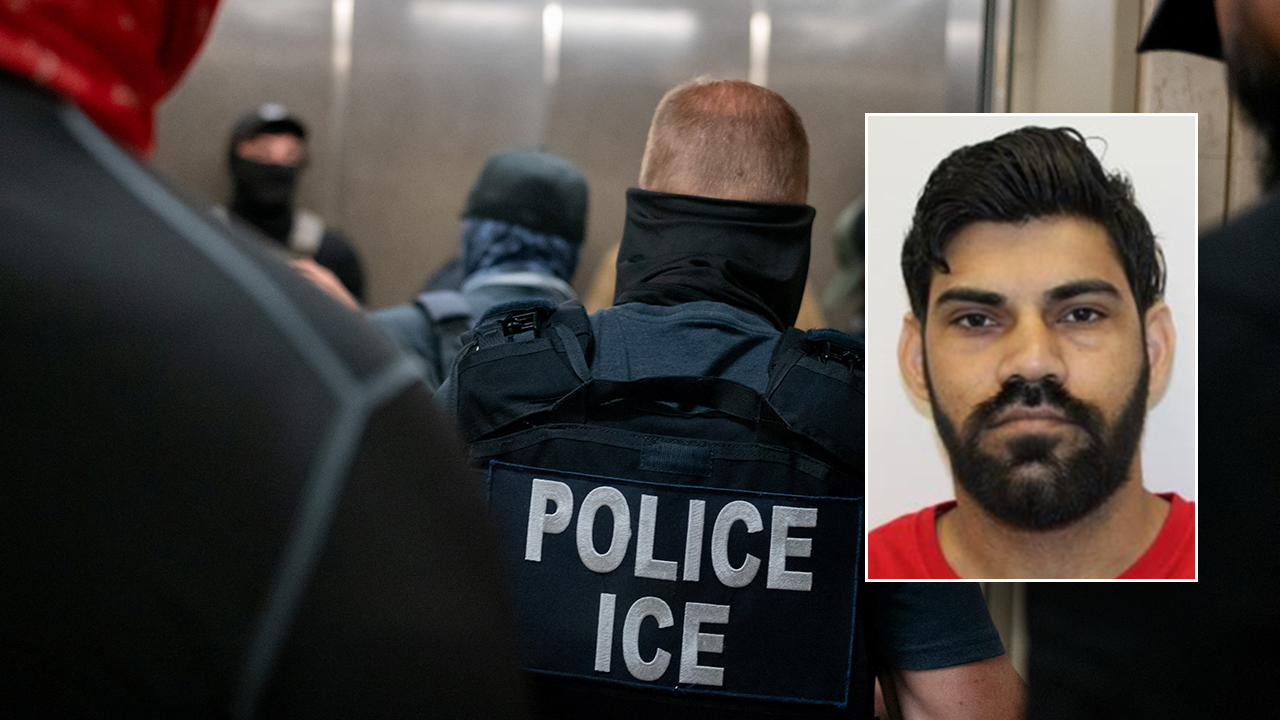
Rajinder Kumar, a 32-year-old man from India who had entered the United States illegally, now finds himself in federal custody after a tragic incident that claimed two young lives. In the crisp autumn air of Oregon on November 24, a semi-truck jackknifed on U.S. Highway 20, blocking both lanes in Deschutes County. The driver of a Subaru Outback, William Micah Carter, and his passenger, Jennifer Lynn Lower, had been married only 16 days when they collided with it, dying instantly in the crash. Kumar, the truck driver, was arrested that evening on charges of criminally negligent homicide and reckless endangerment. But instead of staying in custody to await trial, he was released by local authorities who, according to federal officials, follow sanctuary policies that limit cooperation with Immigration and Customs Enforcement (ICE). This decision shocked many, as Kumar’s immigration status was known, raising questions about public safety in an era of escalating migration debates.
The scene of the accident painted a grim picture: a winding highway surrounded by Oregon’s rugged landscapes, where newlyweds Carter and Lower were likely enjoying the first chapter of their life together. Micah, a bright and loving husband in his prime, and Jennifer, his devoted wife, were on what should have been a joyous post-wedding journey. Friends and family described them as inseparable, always dreaming of a future filled with adventures and family. Their sudden loss left a void in the hearts of loved ones, who gathered at memorials, sharing stories of laughter and love cut short by a preventable tragedy. Kumar’s actions that day—allegedly reckless driving that caused the truck to jackknife—blocked the road entirely, creating a fatal domino effect. Now, with Kumar in ICE custody after his April 2 release from the Oregon jail, the case underscores the risks of sanctuary cities, where local policies sometimes prioritize community ties over federal immigration enforcement.
Kumar’s journey to this point began far from Oregon’s highways. Crossing illegally into the United States near Lukeville, Arizona, in November 2022, he was detained but later released into the country under the Biden administration’s policies. By 2023, he had secured work authorization, a path meant for those seeking asylum or lawful entry, but his undocumented status tainted the process. This allowed him to obtain a commercial driver’s license (CDL) in California, a state often criticized for its handling of immigration. Critics argue that issuing such licenses to undocumented individuals opens doors to high-risk jobs like trucking, where one wrong move can have devastating consequences. Imagine the responsibility of hauling massive loads across long distances—it requires unwavering focus, but for someone whose presence here was based on border crossings rather than established residency, the stakes were even higher. Stories of similar CDL holders causing accidents have fueled debates, making Kumar’s case a flashpoint in discussions about border security and road safety.
Federal authorities, particularly DHS’s Lauren Bis, have been vocal in their condemnation of the state governments involved. Bis pointedly criticized Governor Gavin Newsom’s administration for granting Kumar his California CDL, stating it enabled a dangerous cycle. “This illegal alien was issued a CDL by Gavin Newsom’s California,” she said, emphasizing how it set the stage for Kumar to operate on America’s highways, ultimately leading to the deaths of the honeymooners. Her words carry the weight of frustration, highlighting how administrative decisions in one state can ripple across borders. Oregon’s sanctuary policies, which prioritize not alerting ICE to individuals like Kumar, came under fire when he was released without coordination. Bis slammed this, saying it amounted to risking American lives by allowing a “dangerous criminal illegal alien” back into communities. As an acting assistant secretary, her rhetoric reflects the agency’s view that sanctuary laws create blind spots in law enforcement, where immigration violators evade removal even after serious incidents. This case has sparked conversations about whether such policies protect or endanger, drawing parallels to other high-profile releases that have ended in community harm.
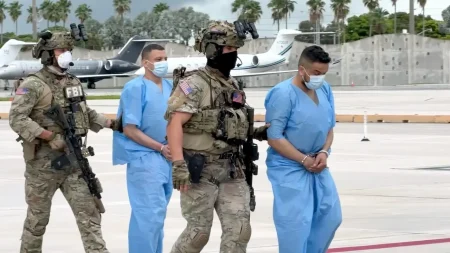
In a broader sense, Kumar’s arrest after the April 22 ICE operation feels like a hard-won victory for those pushing for stricter immigration controls. Agents at the Northwest ICE Processing Center in Tacoma now hold him pending deportation, a step toward removing him from U.S. soil forever. The operation involved meticulous tracking, underscoring the dedication of ICE officers who navigate complex legal landscapes to uphold federal laws. Bis expressed gratitude for their efforts: “We are grateful to our ICE law enforcement officers who tracked this killer down to ensure he’s permanently removed from America’s highways and can never harm another American family again.” Her statement humanizes the tragedy, focusing on the couples and families affected, while vilifying sanctuary approaches that she claims enable such outcomes. Yet, defenders of these policies argue they foster trust in immigrant communities, reducing crime by encouraging cooperation. Cases like Kumar’s, alongside others involving DUI convictions or other offenses, have become rallying cries for change, prompting legislative proposals to curtail sanctuary jurisdictions and mandate cooperation with federal immigration agencies.
Reflections on this incident evoke deeper emotions about loss and accountability in a diverse society. William and Jennifer’s story is tragically relatable—a tale of young love interrupted by negligence, compounded by systemic failures in immigration oversight. Communities along Highway 20 mourn deeply, with vigils turning into calls for safer roads and stricter vetting for drivers. Elastic examples abound: think of other accidents where undocumented individuals with limited driving credentials have caused fatalities, shattering families that were just beginning. Kumar’s path from an illegal border crossing to a lethal crash illustrates the human cost of loosened policies, yet it also raises ethical dilemmas about empathy for migrants escaping hardship in their home countries. Deportation proceedings will unfold, but the scars on American lives remain, prompting soul-searching debates. FOX News has reached out for comments from Newsom’s office, seeking clarity amid accusations of “fake news” dismissals of crime surges under sanctuary rules. In this polarized climate, stories like this humanize the statistics, reminding us that behind every policy debate are real people—victims, perpetrators, and enforcers—all navigating the complexities of living in a nation of immigrants. As Kumar awaits his fate, the case serves as a poignant reminder of the need for vigilance on our highways and at our borders.
Overall, this tragedy amplifies voices demanding reform, balancing compassion with consequence. While sanctuary policies aim to offer refuge, critics see them as shields for the culpable, as in Kumar’s release back into society despite his charges. The DHS’s swift intervention underscores a commitment to public safety, repatriating those who overstay or misrepresent their entry. Families like the Carters and Lowers advocate for stricter CDL issuance protocols, ensuring licenses aren’t just pieces of paper but affirmations of responsibility. Broader immigration narratives intertwine here—migrants like Kumar, fleeing economic strife in India, often face exploitation in the U.S., with CDLs providing means for perilous jobs. Yet, when recklessness leads to death, accountability must prevail. Politicians on both sides grapple with solutions: enhanced border controls, better integration programs, or outright restrictions. In the end, humanizing this story means acknowledging the heartbreak of lost young lives, the frustrations of enforcement agents, and the hopes of immigrants seeking opportunity. As investigations continue and calls for change echo, the case urges a path forward where safety and humanity coalesce, preventing future heartaches on America’s roads. FOX News Digital, through contributed reporting, keeps the public informed, inviting listeners to tune in for audio versions, making news accessible in this demanding world. This incident, while heartbreaking, fuels necessary conversations about who we let into our communities and how we protect those already here.