





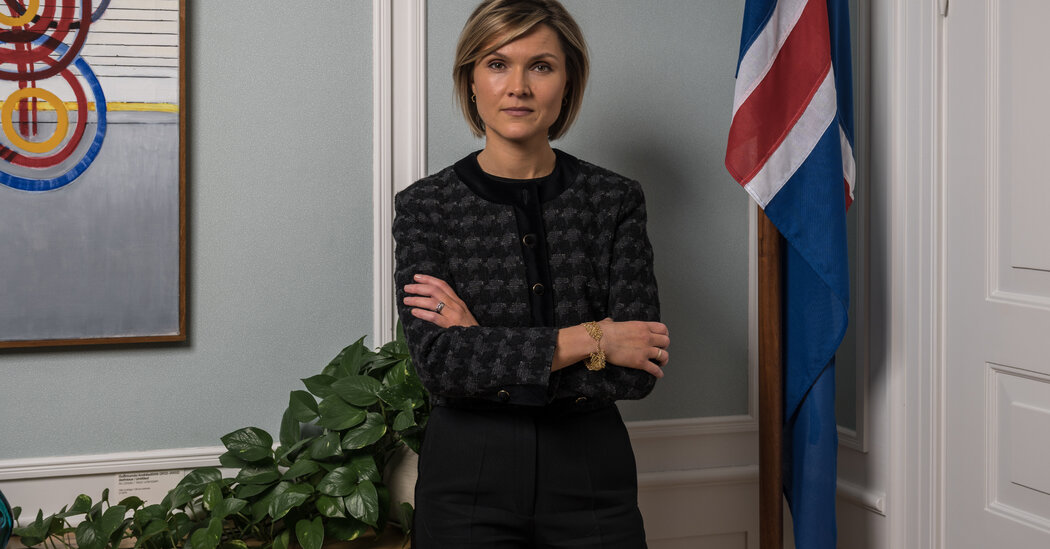
The Great Nordic Realignment: Why a Restless World is Pushing Iceland Toward the European Union
As geopolitical volatility shakes the Arctic and traditional alliances waiver, the fiercely independent island nation faces an existential choice that could redefine Northern Europe.
1. The Solitary North Looks Inward No More
For centuries, Iceland has existed as a striking geographical and cultural outlier on the fringes of the European consciousness. Defined by its dramatic, fire-and-ice geothermal landscapes, its sweeping volcanic plains, and a sparse population of just 400,000 residents, this isolated island nation has long nurtured a fierce, protective brand of self-reliance. Having successfully thrown off the last vestige of Danish colonial rule as recently as 1944, Icelanders have historically guarded their hard-won sovereignty with a tenacity that bordered on the sacred, particularly when it came to preserving exclusive control over their bountiful North Atlantic fishing grounds. This protective instinct is why, despite being deeply integrated into the European family through the European Economic Area (EEA) and adopting a vast swath of continental regulations to facilitate free trade, Reykjavik has consistently kept formal European Union membership at a determined arm’s length. Yet today, as the international order fractures under the weight of surging nationalism, shifting superpower rivalries, and structural instability, the icy shield of ocean isolation no longer feels like a guarantee of safety. The realization is quietly dawning across the fjords and cafes of Reykjavik that in a rapidly warming and increasingly dangerous world, being culturally European but politically unaffiliated may no longer be a viable strategy for survival.
+——————————————————–+
| ICELAND’S GEOPOLITICAL STAND |
+—————————+—————————-+
| PAST STANCE | PRESENT SHIFT |
+—————————+—————————-+
| • Fierce sovereignty | • Vulnerability fears |
| • Protected fish stocks | • Shaky NATO reliance |
| • EEA membership only | • August EU Referendum |
| • Splendid isolation | • Need for larger alliance |
+—————————+—————————-+
2. The Catalyst of Anxiety: From Washington’s Bluster to Arctic Ambition
The turning point in this national psychological shift can be traced to a series of unsettling diplomatic tremors emanating from Washington during the presidency of Donald J. Trump, which violently disrupted the quiet of the high north. The geopolitical equilibrium of the Arctic was shattered when President Trump floated the transactional idea of purchasing Greenland—Iceland’s closest geopolitical neighbor—from Denmark, a move that sent shockwaves through Nordic capitals and demonstrated a blunt disregard for regional sovereignty. This diplomatic offense was compounded by highly publicized gaffes, such as when Trump appeared to conflate Iceland with Greenland during the World Economic Forum in Davos, and reports that his appointed ambassadorial pick had jokingly suggested Iceland could simply become the 52nd state of the Union. While these remarks were dismissed by some as standard populist theater, they hit a raw nerve in Reykjavik, forcing Prime Minister Kristrun Frostadottir and her government to confront the fragile reality of being a small, strategically positioned nation in an era of unpredictable, highly transactional superpower politics. The unsettling realization that a historical ally could view their sovereign territory as a mere pawn on a geopolitical chessboard has galvanized a historic national debate, putting Iceland on a direct path toward a historic referendum as early as August to decide whether to formally initiate accession talks with the European Union.
3. Re-evaluating the Shield: The Military Void in a Post-NATO Era
The core of Iceland’s growing vulnerability lies in its unique, and perhaps perilous, defense profile: the nation possesses no standing military of its own. Since the mid-20th century, the island has outsourced its physical security, relying entirely on its founding membership in NATO and a bilateral defense agreement with the United States, which for decades maintained a robust military presence at the Keflavik Air Base. However, with the political stability of the United States increasingly questioned and the long-term American commitment to NATO looking more contingent than ever on the whims of whoever occupies the White House, analysts in Reykjavik warn that Iceland could easily find itself exposed in a highly contested Arctic region. While the European Union is not traditionally viewed as a hard military superpower, its evolving security framework—specifically the mutual defense clause embedded within Article 42.7 of the Lisbon Treaty—is beginning to look like an indispensable insurance policy for a nation that cannot defend its own borders. Iceland’s quiet signing of a bilateral security and defense partnership with the EU in March highlights this strategic pivot, reflecting a growing consensus among regional security experts that when the global storm rolls in, it is far safer to be a formal member of the continental club than a well-meaning neighbor standing out in the cold.
4. The Domestic Battleground: Fisheries, Quotas, and the Sovereignty Debate
          ┌────────────────────────────────────────┐
          │      Icelandic EU Accession Debate     │
          └───────────────────┬────────────────────┘
                              │
     ┌────────────────────────┴────────────────────────┐
     ▼                                                 ▼
┌─────────────────────────────────┐ ┌─────────────────────────────────┐
│ PROS (Security & Union) │ │ CONS (Sovereignty & Loss) │
├─────────────────────────────────┤ ├─────────────────────────────────┤
│ • Access to EU Mutual Defense │ │ • Threats to independent cod │
│ • Stronger geopolitical voice │ │ fisheries and agricultural │
│ • Economic stability through │ │ sovereignty │
│ the Euro currency │ │ • Burdensome regulations from │
│ • Integration into a large │ │ continental Brussels │
│ cohesive political bloc │ │ • Potential loss of local veto │
└─────────────────────────────────┘ └─────────────────────────────────┘
Despite the undeniable external pressures, any march toward Brussels will trigger a fierce domestic political battle that goes to the heart of what it means to be Icelandic. In the wind-swept coastal villages where generations of fishermen have hauled cod and haddock from the turbulent, icy waters of the North Atlantic, the prospect of EU membership is met with deep skepticism, if not outright hostility. Farmers and maritime workers fear that the European Union’s Common Fisheries Policy and standardized agrarian regulations, designed for large continental landmasses like France or Germany, would dismantle Iceland’s carefully managed quota systems and decimate local livelihoods. Political scientists like Eirikur Bergmann of Bifrost University note that while the strategic arguments for joining a larger bloc are stronger than ever, the emotional pull of maintaining absolute control over the nation’s natural resources remains a powerful force in rural communities. For many voters, the impending referendum is not merely a bureaucratic decision about trade and security, but a profound existential choice between the abstract comfort of geopolitical safety and the tangible pride of independent self-determination.
5. The Nordic Realignment: A Region Retreating from Neutrality
+—————————————————————–+
| THE NORDIC GEOPOLITICAL SHIFT |
+——————+—————-──────────────────────────────+
| COUNTRY | STRATEGIC PIVOT |
+——————+—————-──────────────────────────────+
| Finland | Abandoned decades of neutrality to join NATO |
| Sweden | Joined NATO, ending centuries of nonalignment|
| Iceland | Advancing toward historic EU referendum |
| Norway | Facing renewed domestic push for EU debate |
| Greenland | Strengthening security ties with Denmark |
| Faroe Islands | Paused autonomy talks to prioritize safety |
+——————+—————-──────────────────────────────+
Iceland’s agonizing internal debate is not happening in a vacuum, but is rather the latest chapter in a sweeping, historic realignment occurring across the entire Nordic region. For decades, the nations of the European north maintained a comfortable, highly prosperous equilibrium, prioritizing social welfare, green transitions, and a policy of strategic nonalignment that allowed them to act as neutral arbiters on the world stage. That era of comfortable isolation was shattered by Russia’s invasion of Ukraine, an event that forced Finland and Sweden to abandon centuries of military neutrality to seek shelter under the NATO umbrella. Now, as erratic political undercurrents ripple across the Atlantic, other small Northern European territories are scrambling to reinforce their alliances: Greenland has quietly drawn closer to Copenhagen, the Faroe Islands have paused their bids for greater autonomy, and opposition leaders in Norway are pushing for a fresh debate on EU membership. These wealthy, highly developed societies are collectively realizing that the peaceful, rule-based international order that allowed them to thrive is rapidly evaporating, forcing them to bundle together for warmth in an increasingly cold and hostile geopolitical climate.
6. A World in Tectonic Transition: Connecting the Dots of Global Instability
The dramatic shifts taking place in the quiet harbors of Reykjavik are intricately linked to a broader cascade of global crises that are rewriting the rules of international commerce, energy security, and ecological survival. Just as Icelanders worry about their spot on a changing map, the escalation of American and Iranian military hostilities in the vital shipping lanes of the Strait of Hormuz—marked by recent U.S. strikes on missile sites and Iranian retaliatory threats—has sent shockwaves through global energy markets, driving up oil prices and demonstrating the extreme fragility of global supply chains. At the same time, the global economic engine is undergoing its own turbulent transition from fossil fuels to green technology, highlighted by Ferrari’s high-stakes roll-out of its first fully electric supercar, the Luce, which has sparked intense debate among automotive purists and investors alike about the financial viability of the green transition. Even the natural world is signaling that old boundaries are failing, as seen in the warming tropical waters of Malaysia, where conservationists are desperately deploying artificial concrete reefs to salvage what remains of coral ecosystems devastated by climate change and historic blast fishing. Whether it is a small nation in the high north reconsidering its place in Europe, a luxury manufacturer navigating an electric future, or a tropical community fighting to save its coastline, the modern world is discovering that the luxurious isolation of the past is gone, and that navigating the uncertainties of tomorrow requires new alliances, structural adaptation, and a willingness to change old ways of thinking.
Executive Summary: Key Takeaways from the Geopolitical Shift
- Geopolitical Vulnerability: Iceland’s traditional stance of geographical isolation and splendid independence is being challenged by shifts in the global order and unpredictable behavior from traditional major powers.
- The August Referendum: The nation of 400,000 is moving toward a landmark vote that could launch years of accession negotiations with the European Union, representing a major policy shift.
- The Security Void: Lacking a standing army of its own, Iceland’s trust in traditional U.S. and NATO defense umbrellas has waned, making the European Union’s mutual defense provisions highly attractive.
- Internal Friction: Domestic industries, particularly the politically powerful fishing and agricultural sectors, remain highly skeptical of Brussels-style bureaucratic overreach and fish-stock quota sharing.
- Regional Trend: This shift mirrors broader movements across the Nordic region, including Finland and Sweden’s entry into NATO and renewed EU membership debates in Norway.
- Global Context: These regional re-alignments are occurring against a backdrop of wider global instability, from military escalations in the Middle East to deep economic transitions in tech and green energy.