




The Growing Need for Protection in Worship Spaces
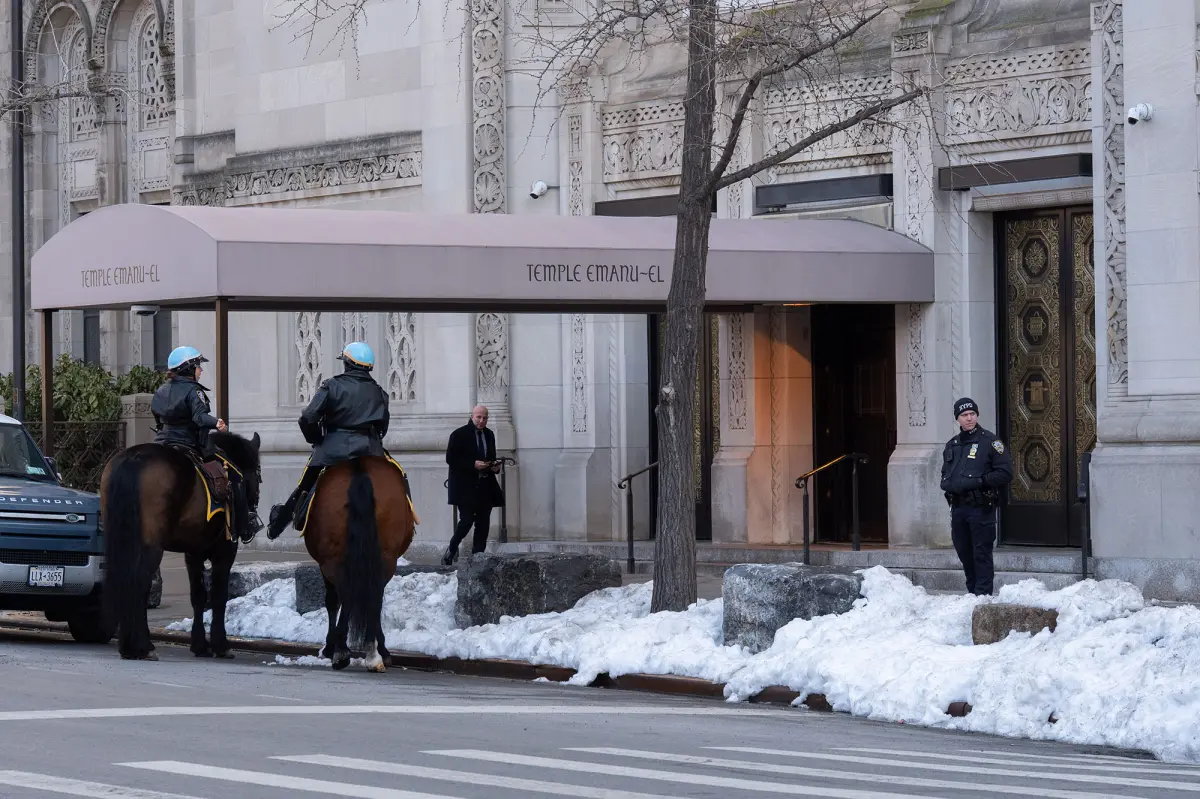
In the heart of America’s diverse religious landscape, a troubling trend has emerged: increasing incidents of harassment and intimidation outside houses of worship. Synagogues, mosques, churches, and temples across the nation have become flashpoints for confrontational protests, leaving congregants feeling vulnerable and fearful. Congressional leaders have taken notice, introducing a groundbreaking legislative proposal aimed at restoring peace and dignity to these sacred spaces. The Safeguarding Access to Congregations and Religious Establishments from Disruption Act, or the SACRED Act, seeks to create 100-foot “buffer zones” around religious institutions. This measure would make it a federal crime to step within 8 feet of a worshipper with the intent to intimidate or obstruct their right to practice faith freely. Sponsored by Long Island Democrat Rep. Tom Suozzi and Ohio Republican Rep. Max Miller, the bill represents a bipartisan effort to address a rising tide of antisemitism and other forms of targeted disruption that have stained communities nationwide. Rep. Suozzi, whose district in Nassau County encompasses a significant Jewish population, shared heartfelt stories from constituents—Jews, Muslims, and Sikhs—who voice deep concerns for their safety. “People are really scared,” he emphasized, highlighting how these fears have intensified amid ugly protests that disrupt the sanctity of communal gatherings. The bill isn’t about silencing voices but about drawing a commonsense line to prevent harassment from encroaching on personal liberties.
Understanding the Bill’s Mechanics and Punishments
At its core, the SACRED Act establishes clear boundaries to protect congregants without stifling legitimate expression. Within the designated 100-foot perimeter around any religious facility, approaching someone within 8 feet with malicious intent—be it to intimidate, threaten, or block access—would constitute a federal offense. This targeted approach focuses on behavior rather than speech, ensuring that peaceful demonstrations remain possible outside the zone. Penalties are structured to deter repeat offenders while offering graduated consequences. For a first-time non-violent violation, individuals could face up to six months in prison and a $10,000 fine, allowing courts to consider the gravity of the disruption. A second offense escalates to potentially 18 months behind bars and a $25,000 fine, reflecting the importance of consistent enforcement. In cases involving serious injury or assault to a congregant, the bill authorizes harsh repercussions, including up to 10 years in prison. These measures underscore the bill’s commitment to safeguarding vulnerable individuals, whether they’re entering for prayer, community events, or solemn ceremonies. By humanizing the legal framework, the proposal acknowledges that for many, visiting a place of worship is a deeply personal act—one that shouldn’t be shadowed by dread or confrontation. Federal prosecutors or state attorneys general could pursue civil actions against perpetrators, adding another layer of accountability and providing congregations with tools to seek redress without lengthy battles.
A Hometown Response to a National Crisis
The impetus for the SACRED Act stems from real-world experiences that have left an indelible mark on Rep. Suozzi. Serving communities in Nassau County’s North Shore and parts of Queens, he has witnessed firsthand the aftermath of unruly protests, particularly those targeting synagogues. Recent events, like a disruptive demonstration outside Manhattan’s Park East Synagogue, prompted the New York City Council to pass a similar local ordinance. However, Mayor Zohran Mamdani has yet to sign it into law, leaving a gap in protections that the federal bill aims to fill. Suozzi framed the legislation as a necessary response to a worsening climate where hatred seems to embolden agitators. He recounted conversations with diverse faith leaders who describe a palpable sense of unease, from Orthodox Jews heading to Shabbat services to Muslims attending Friday prayers or Sikhs gathering for worship. “We’re trying to strike a balance between people’s First Amendment right to protest and people’s First Amendment right to worship,” Suozzi explained, stressing that common sense must prevail over chaos. The bill’s introduction comes at a time when incidents of antisemitism have surged, echoing broader societal anxieties about religious freedom. For many Americans, these sanctuaries are not just buildings but lifelines—places for reflection, fellowship, and renewal—and the act seeks to preserve that refuge without resorting to blanket restrictions.
Voices of Support and the Promise of Balance
Rep. Max Miller, the Ohio Republican co-sponsor, echoed these sentiments with a resolute call for equity in faith practice. “Every American deserves to practice their faith free from fear, intimidation, or harassment,” he declared, envisioning a future where religious sites are havens rather than battlegrounds. The SACRED Act, in his view, achieves this by carving out protected zones while upholding First Amendment protections for peaceful expression. Suozzi added that the legislation draws a “clear line: intimidation and threats have no place in our communities.” Their shared vision Humane the bill’s purpose—transforming potential zones of conflict into spaces of respect. Both representatives draw from personal convictions rooted in their constituencies’ stories, where everyday people navigate a delicate dance between expressing beliefs publicly and defending their right to worship privately. This bipartisan alignment reflects a rare consensus in Washington, where faith-based issues often divide along ideological lines. Constituents might now imagine strolling to their local temple without glancing over their shoulders or attending a community potluck in a synagogue free from external disturbances. The bill’s supporters argue it humanizes the debate, shifting focus from abstract rights to the tangible human cost of unchecked hostility.
Navigating Constitutional Challenges and Building Alliances
Anticipating scrutiny from civil libertarians, the bill’s drafters consulted constitutional experts to ensure its legality. Suozzi confidently stated that it “punishes bad conduct, not free speech,” a distinction vital for withstanding court challenges. By targeting specific behaviors like intimidation within close proximity, rather than broader speech acts, the legislation aims to pass muster under rigorous First Amendment scrutiny. This careful calibration allows for lawful picketing or discussions outside the 100-foot boundary, preserving the marketplace of ideas while shielding worshippers from direct interference. Federal entities, including prosecutors, are empowered to initiate civil proceedings against violators, providing an additional pathway for justice that doesn’t always require criminal prosecution. This multifaceted approach acknowledges the real lives affected—parents escorting children to religious school, elderly members arriving for prayer times, or individuals seeking solace in troubled times—all of whom deserve unimpeded access. The bill’s design reflects a collaborative spirit, morphing from a crisis response into a framework that could set precedents for protecting other vulnerable spaces.
A Step Toward Safer Communities and Lasting Harmony
As the SACRED Act moves through Congress, it garners endorsements from influential organizations deeply invested in religious freedom. The Anti-Defamation League, the American Jewish Committee, and the Union of Orthodox Jewish Congregations of America have lent their support, amplifying the bill’s resonance. These groups see it as a crucial tool in combating emerging threats, fostering dialogues that humanize the intricacies of faith in a pluralistic society. Imagine a community where a young person can attend midnight Christmas services without fear or a family celebrates Ramadan gatherings undisturbed—such scenarios underpin the bill’s promise. While opposition may arise from those wary of government intervention in expressive rights, proponents like Suozzi and Miller envision the act as a beacon of responsibility. It embodies an American ethos of tolerance, where differences are navigated with empathy, not enmity. Ultimately, the SACRED Act isn’t just legislation; it’s a heartfelt pledge to honor the fundamental dignity of worship, ensuring that America’s religious tapestry remains vibrant and accessible for generations. As debates unfold, the hope is for a Congress that prioritizes protection over polarization, creating spaces where faith can flourish in peace.