





The sweltering weight of an unprecedented heatwave has settled over Western Europe, stripping away the illusion of modern comfort and exposing a profound, collective vulnerability. Across the continent, citizens are waking up to the sobering reality that the very cities they call home have transformed into giant heat traps. During this suffocating week, the simple act of trying to stay cool has become an exhausting, twenty-four-hour struggle. Inside historic, thick-walled apartment buildings designed centuries ago to keep winter’s chill out, the air has grown stagnant and heavy, refusing to cool down even long after the sun has set. Sleep-deprived families, unable to find relief in their own living rooms, have resorted to desperate measures—dragging mattresses into local parks under the midnight sky, packing into air-conditioned hotel lobbies, or joining panicked stampedes to purchase whatever portable cooling units are left on store shelves. There is a palpable sense of shock in the air, a realization that the temperate, predictable climate Europeans once took for granted has vanished, replaced by an unforgiving summer that feels less like a temporary weather event and more like a permanent shift in the baseline of daily life.
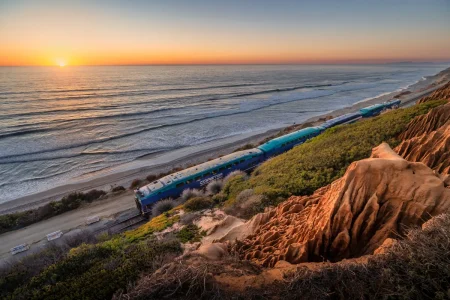
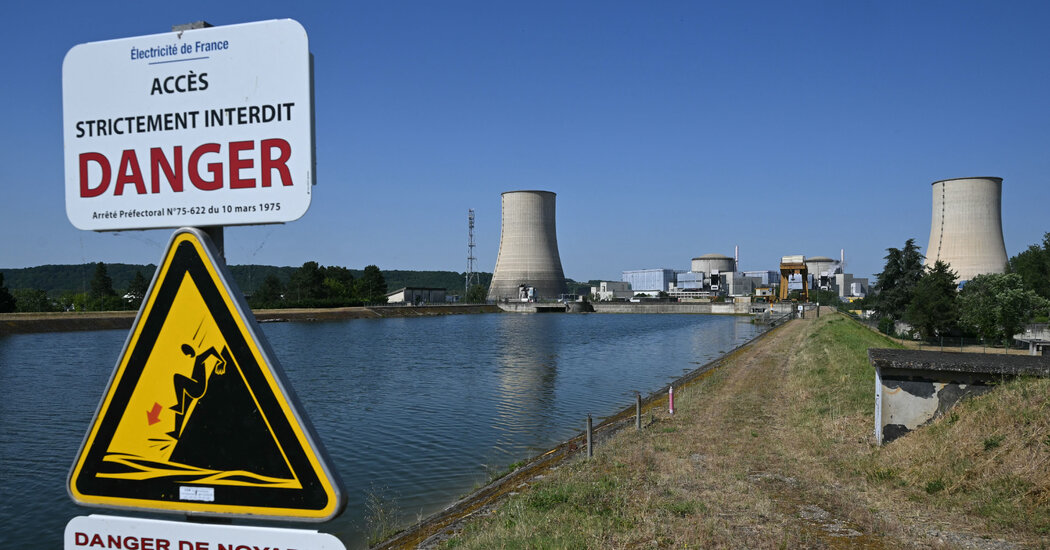
As the mercury soared to record-breaking levels across Britain, Spain, and France, the physical systems that keep society running smoothly began to buckle under the strain. This was not just a crisis of personal discomfort, but a systemic breakdown of critical infrastructure. Train networks, the lifeblood of European transit, ground to a halt as iron tracks absorb the relentless solar energy, expanding and threatening to warp into dangerous bends. French nuclear power stations, which typically provide a steady stream of electricity, were forced to throttle their operations because the river water used to cool their reactors had warmed to temperatures that would devastate local aquatic ecosystems if discharged back into the wild. In factories, the air became so thick and oppressive that labor unions called for immediate walkouts, declaring the shop floors too hazardous for human labor. When the power grids finally gave out under the weight of surging electrical demands, hundreds of thousands of residents in France and Italy were cast into darkness, stripping away what little relief fans and refrigeration could offer.
This widespread paralysis stems from a fundamental mismatch between the built environment and the reality of a rapidly warming planet. Europe is currently the fastest-warming continent on Earth, yet its towns and cities were engineered for a geological epoch that no longer exists. Unlike metropolitan areas in places like Houston, Miami, or Tokyo—where high temperatures are a predictable aspect of life and buildings are designed from the ground up with central air conditioning and heavy shading—European urban architecture was built to conserve heat. In Northern and Central Europe, decades of construction regulations promoted insulating materials designed to seal warmth inside homes. When extreme heat waves strike, these structures act as thermal ovens, trapping warm air indoors without any natural escape route. Simple, low-tech adaptations common in warmer regions, such as external window shutters that block solar radiation before it ever penetrates the glass, are tragically rare, leaving millions of residents defenseless against the sun’s relentless rays.
The lack of preparedness carries a quiet but devastating human toll that goes far beyond ruined commutes and sleepless nights. Unlike sudden natural disasters like floods or hurricanes, extreme heat is a silent killer, claiming lives behind closed doors and quiet apartment windows. In France, healthcare systems were quickly pushed to their absolute limits, with emergency rooms reporting a terrifying fourfold increase in cardiac arrest cases as the human body struggled to regulate its internal temperature in the stifling humidity. In Spain, public health registries began tracking a stark, unmistakable surge in excess mortality. Academic research confirms that European cities are uniquely endangered by these thermal spikes; while a scorching day in a highly air-conditioned American or Japanese city barely nudges the daily mortality rate, the same temperature in a French, Spanish, or Italian city triggers a sharp, upward trajectory in deaths, particularly among the elderly, the impoverished, and the socially isolated who cannot afford to escape the heat.
For years, climatologists and urban planners have warned of this impending crisis, drafting extensive adaptation blueprints and climate resilience strategies that now sit gather dust on municipal shelves. Governments have not been entirely idle; countries like France have developed massive, multi-page adaptation policies, and cities like London have recently proposed ambitious heat action plans aimed at retrofitting schools, hospitals, and care homes that are currently deemed to be at extreme risk. However, transitioning these ambitious plans from paper to reality requires astronomical financial investments, exposing a political paralysis that experts refer to as the “tragedy of the horizons.” Politicians and taxpayers are often unwilling to allocate massive budgets today to prevent a catastrophe that feels abstract or distant, choosing instead to address the damage incrementally as it occurs. This short-sightedness means that every summer becomes a reactive scramble to survive, rather than a proactive effort to rebuild.
As the current heatwave slowly retreats and the scorched landscapes return to more manageable temperatures, the lingering question is whether the lessons of this brutal week will truly take root. The vulnerabilities exposed over these few days—from warped railway tracks in Germany to slowed nuclear reactors in Civaux—are clear warnings that the margins of safety are shrinking. Temporary fixes, like spraying train tracks with reflective white paint or installing temporary water-cooling loops at power plants, are merely band-aids on a systemic wound. Experts warn that the collective memory of these crises tends to fade quickly once the cool autumn breezes return, allowing societies to slip back into comfortable complacency. If Europe is to survive the increasingly hostile summers of the twenty-first century, it must undergo a profound psychological and structural transformation, recognizing that building a resilient society is not an optional luxury, but an urgent matter of survival.