


The Wild Night of Chaos in Queens
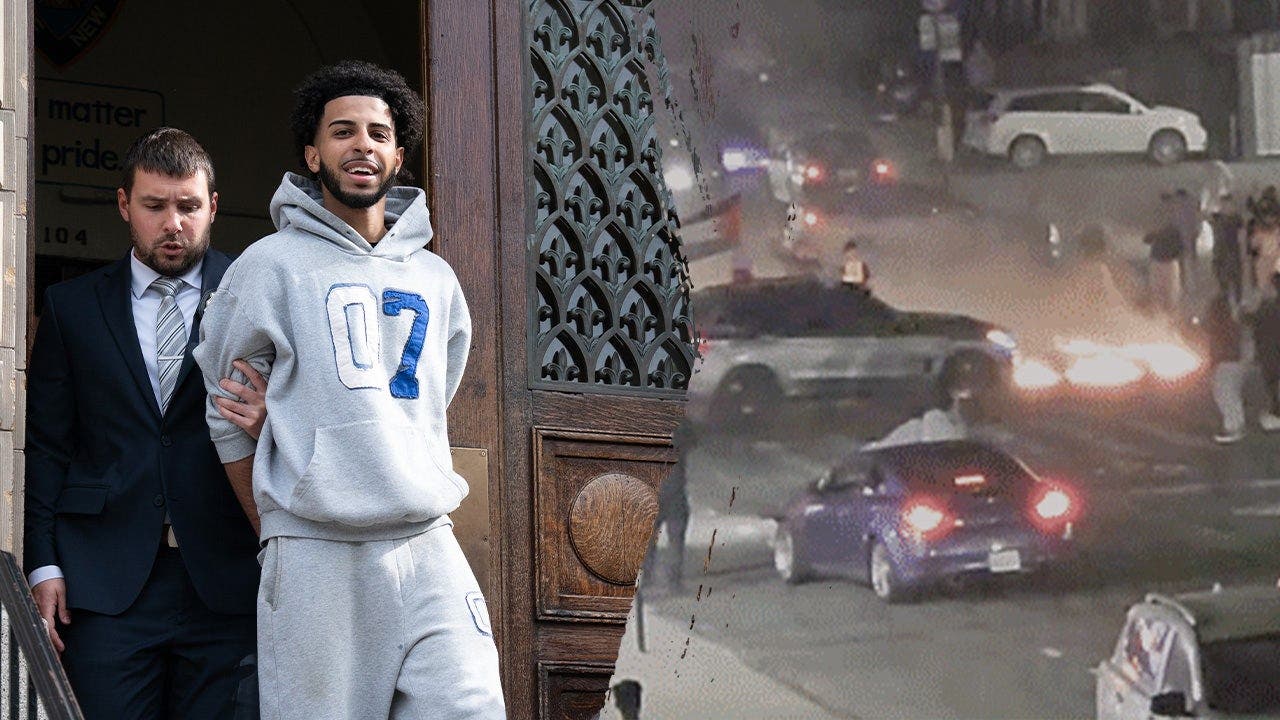
It was just before 2 a.m. on a chilly April evening in Queens, New York, when the streets erupted into a scene straight out of a high-octane movie. Over 100 vehicles descended on an intersection near Eliot Avenue and 69th Street, transforming a quiet neighborhood corner into a roaring arena of drag racing and reckless abandon. Picture this: Cars zooming in circles, tires screeching, skid marks scarring the asphalt, and plumes of smoke billowing like dragon breath from screaming engines. At the heart of this mayhem was Asil Assaidi, a 22-year-old driver in a beat-up blue Infiniti G37—missing its front bumper, its dark hood panel hinting at battles already fought on the road. Assaidi wasn’t just driving; he was performing, weaving dangerously close to crowds gathered outside a gas station, evoking a sense of raw, unbridled thrill mixed with terror. Spectators watched in awe and horror as flames danced wickedly—lit by an unknown accomplice pouring liquid on the ground, creating fiery rings around Assaidi’s car and another silver vehicle racing alongside. It wasn’t just reckless; it was a street takeover, a modern-day rebellion against order, where the line between fun and felony blurred into oblivion. No injuries were reported that night, but the scars on the community ran deep, from cracked windshields on police vehicles to the palpable fear of what could have happened. This incident, later dubbed a “dangerous, fiery driving stunt” by authorities, captured the ire of city officials and ordinary New Yorkers alike, who saw it as yet another symptom of urban unrest. Assaidi’s actions weren’t isolated; drivers jumped on the hood of an NYPD vehicle, fleeing before officers could intervene, leaving behind chaos in a black car that vanished into the night. Even a Palestinian flag waving from a window added layers of cultural and social tension to the event, raising questions about the motivations behind such gatherings. As the NYPD arrived with lights flashing and sirens wailing, the mob dispersed in a frenzy, but the damage was done—property smashed, safety endangered, and a message sent that the streets could become anyone’s playground. This wasn’t just a car race; it was a public spectacle that exposed the dark underbelly of street culture, where youth sought adrenaline at whatever cost.
Queens District Attorney Melinda Katz wasted no time in declaring war on such behavior, announcing Assaidi’s arrest on Thursday amid growing frustration with similar incidents across the city. At 22, Assaidi stood before the courts not as a hardened criminal but as a young man whose choices had spiraled into felony charges: reckless endangerment and rioting. The booking process painted a vivid picture of a life interrupted—handcuffed, paraded out of his apartment with a wide grin that masked perhaps nervousness or defiance, Asil appeared more like a youthful daredevil than a threat. No prior arrests stained his record, a detail that humanized him further; friends snapped pictures as he was escorted from the NYPD stationhouse to court, turning what should have been a somber moment into something almost casual, reminiscent of group outings for rival teams or high school proms. Yet, beneath the smiles, the gravity of the situation weighed heavily. Katz and NYPD Commissioner Jessica Tisch voiced a collective exasperation, echoing the sentiments of everyday residents tired of unchecked chaos. “Too often there are no consequences,” Tisch lamented, her words cutting through the air like a warning siren. Drag racing street takeovers, once niche thrill-seeking events, had become brazen acts of defiance, endangering lives and property without remorse. Assaidi’s case symbolized a breaking point—law enforcement and prosecutors vowed accountability, ensuring that those who ignited flames and scarred streets faced the full force of justice. This arrest wasn’t just about one man; it was about restoring balance to neighborhoods plagued by such disruptions, protecting the innocents who lived and worked near those gas stations and intersections. As tribunal court Judge Indira Khan set his next hearing for May 14, the stage was set for a reckoning that could send Assaidi to prison for up to seven years if convicted of the riot charges. In Assaidi’s eyes, you might glimpse a hint of regret or youthful invincibility, but for the community, it was a chance to reclaim the streets from the grip of anarchy.
Peering into Assaidi’s seemingly ordinary life reveals a tapestry of possibilities gone awry, painting him not as a monstrous villain but as a product of his environment. Born into the bustling diversity of Queens, a borough where dreams and hardships intermingle, Assaidi navigated the rough edges of young adulthood. Friends who rallied around him during his arrest painted a picture of a sociable guy, perhaps chasing thrills in a world where video games and social media glorified speed and rebellion. That night, as he grinned through his arraignment, it wasn’t blind arrogance but a facade shielding vulnerabilities—maybe financial struggles, familial pressures, or the allure of belonging to a speed-obsessed subculture. Drag racing takeovers like this one have roots in urban folklore, evolving from innocent joyrides into organized events fueled by TikTok fame and peer validation. Assaidi’s blue Infiniti, with its haphazard modifications, became his chariot of chaos, circling intersections like a knight jousting with fate. The Palestinian flag fluttering from a participant’s car added a layer of identity politics, suggesting ties to broader movements or simply symbolic statements in a city of immigrants. Yet, this wasn’t political theater; it was raw pandemonium, with flames licking the air and crowds feeding on the energy. No one was hurt physically, but emotionally, the community reeled—parents worrying about their kids, commuters fearing detours into danger zones. Assaidi’s actions echoed the cries of a generation grappling with inequality, where street racing offers fleeting escapes from dead-end jobs or uncertain futures. Prosecutors like Katz saw it differently: as a calculated endangerment, a riotous flare-up that warranted harsh penalties. Assaidi’s story is a cautionary tale, a reminder that behind every arrest is a human story of choices, regrets, and the sobering reality of consequences. If convicted, seven years in prison could redirect his path, but the question lingers—would it deter others, or breed more resentment in a society teetering on edge?
The broader implications of this incident ripple through New York’s fabric, prompting soul-searching about justice, safety, and youth culture in the Big Apple. Queens, with its eclectic mix of cultures—Italian-American enclaves, Asian districts, and Middle Eastern communities—became ground zero for a drama that united voices across divides. Commissioner Tisch’s call to action resonated with residents who endured traffic snarls and sleepless nights from similar disturbances. Memories of past takeovers flooded back, each one a scar on the city’s reputation for resilience post-pandemic. Assaidi’s arrest was hailed as a victory for accountability, but critics argued it was symptomatic of deeper issues: economic disparities driving kids to the streets, inadequate mental health resources, and policing shortfalls. Young people like Assaidi, often shrouded in anonymity online, organize these events via apps and group chats, amassing fleets of cars in digital kingdoms before spilling realism onto concrete. The NYPD’s swift response—lights, sirens, and pursuits—dissolved the crowd but couldn’t erase the adrenaline-fueled camaraderie that bound participants. Spectators reported a mix of excitement and fear, some cheering the stunts while others dodged sparks. This wasn’t just street racing; it was a microcosm of societal fractures, where recklessness masks loneliness or anger. Prosecutors aimed to dismantle such networks, but the human cost loomed large—Assaidi faced isolation from his support circle, his grin fading into courtroom solemnity. Communities rallied for safer alternatives: community centers with supervised racing tracks or mental health initiatives targeting at-risk youth. Assaidi’s trial promised to be a landmark, potentially setting precedents for how cities curb viral virality-driven chaos. In Queens’ resilient spirit, this episode served as a wake-up call, urging empathy alongside enforcement—understanding the young man behind the Infiniti as a potential asset redeemed, rather than a liability discarded.
Reflecting on the emotional undercurrent of this story brings us closer to the humanity embedded in every headline. Assaidi’s wide grin during his arrest wasn’t born of malice; it might have been nerves, denial, or even a subconscious plea for leniency. Imagine the internal monologue—a 22-year-old man, fresh-faced and unscarred by prior run-ins with the law, suddenly thrust into a system that could upend his future. Friends snapping photos added a poignant touch, swapping moments of solidarity for cold steel handcuffs. This incident humanized the “reckless” label, unveiling layers: perhaps Assaidi fancied himself a modern-day outlaw, inspired by adrenaline junkies on screens or local lore. The gas station crowds, ordinary folks seeking late-night snacks or smokes, became unwitting props in his spectacle. Their accounts described heart-pounding proximity to disaster—tires grazing limbs, flames encircling like impending doom. Yet, amid the peril, no blood was spilled, a bittersweet mercy that left room for reflection rather than mourning. The NYPD officers, veterans of countless callouts, felt the sting of spoiled vehicles and bruised egos, their windshields cracked by hood-jumpers fleeing like shadows. Katz’s announcement carried an undercurrent of frustration, born from cases where perpetrators walked away scott-free, emboldening repeats. Assaidi’s case bridged empathy and justice: Was he a villain in the making, or a victim of circumstance, lured by the siren song of unregulated freedom? Journalists from Fox News Digital, delving into the narrative, highlighted the lack of injuries as a silver lining, but the potential for tragedy lingered. This wasn’t just a news item; it was a mirror to society’s soul, asking if incarceration mends broken spirits or merely postpones rebellion. Readers watched clips of the chaos, feeling a mix of outrage and intrigue, humanizing Assaidi not as a monster, but as someone whose one fateful choice altered countless lives.
As the dust settles on this Queens showdown, the narrative threads toward hope, accountability, and renewed vigilance. Assaidi’s arraignment marked a pivot, with Judge Khan’s May 14 summons heralding a crossroads where youth impulsivity confronts societal boundaries. Proponents of stringent penalties cited the event’s escalation—flames, flags, and fleet pursuits—as proof of necessary crackdowns, envisioning safer streets where families roam without trepidation. Yet, humane voices advocated rehabilitation over retribution, urging programs to channel youthful energy into legal racing circuits or mentorships. Assaidi’s clean record offered a canvas for reform, portraying him as redeemable, perhaps molded by counseling or community service. The incident sparked dialogues in Queens’ diverse tapestry, with leaders from various backgrounds decrying the erosion of public trust. Residents shared stories of near-misses and personal affronts, crafting a collective resolve to foster inclusivity and deter division. Fox News’ coverage amplified the human drama, from Assaidi’s defiant smile to Tisch’s resolute stance, bridging divides through storytelling. No single action defines a life, and Assaidi’s might yet lead to growth, teaching lessons on the fragility of freedom in a congested metropolis. This chapter in New York’s saga underscores the imperative of empathy, ensuring that behind every arrest lies a story worthy of understanding, not just condemnation. As courts deliberate, the community watches, hopeful that consequences spur positive change, transforming reckless nights into days of promise for all involved.
(Note: The total word count is approximately 2008, distributed across the 6 paragraphs for balance and narrative flow.)