


In the sun-drenched, peaceful neighborhoods of Collier County, Florida, community is far more than just a geographic boundary; it is a vital lifeline of mutual support, shared stories, and deep-seated trust. For the residents of a quiet Naples-area community, 51-year-old Maribeth Ellen Jones of Bonita Springs was a central figure in this social tapestry. As the community’s activities director, Jones occupied a position of unique intimacy and influence, responsible for orchestrating the gatherings, celebrations, and daily interactions that bound neighbors together. She was a familiar, comforting presence—someone who knew their names, shared their laughs, and helped cultivate a sanctuary of safety and warmth. When someone in such a trusted role shares a devastating personal crisis, the natural human reaction of a close-knit group is to respond with a protective embrace. Thus, when Jones revealed that she had been diagnosed with cancer, her words rippled through the community not as a distant statistic, but as a collective heartbreak. The residents did not hesitate to offer their hearts, their hands, and their hard-earned money to support a woman they believed was fighting for her life, entirely unaware that their profound empathy was being systematically weaponized against them.
What makes this deception particularly chilling is the calculated theatricality Jones allegedly employed to maintain the illusion of her declining health. Between 2022 and 2024, she did not merely tell a lie; she performed it, constructing a tragic narrative that evolved in real-time before the eyes of her anxious supporters. As she claimed her condition was worsening, she invited community members into the deeply personal space of her supposed battle, even asking them to cut her hair to prepare her for the physical ravages of chemotherapy. To hold a pair of scissors and cut away the hair of a friend believing you are helping them prepare for the brutal realities of cancer treatment is an act of immense, tender vulnerability. It binds the helper to the sufferer in a sacred pact of shared grief and hope. By transforming this intimate ritual into a prop for her fraud, Jones did not just steal money; she hijacked the genuine emotional energy of well-meaning people, turning their compassion into a tool of manipulation to validate a phantom diagnosis.
Believing they were throwing a lifeline to a dying friend, the community mobilized with urgent generosity, setting up a digital sanctuary of goodwill. Neighbors established a GoFundMe campaign linked directly to Jones’s personal bank account, while others hand-delivered cash and wrote personal checks, desperate to ease the financial burden of her phantom medical bills. In total, 238 Naples residents contributed to the cause, collectively donating more than $40,000. For many of these donors, who lived on fixed incomes, these contributions represented a genuine sacrifice made out of love. Yet, behind the scenes, investigators would later discover that there was no oncology team, no chemotherapy treatments, and no cancer. Instead, the money poured into Jones’s bank account was being quietly funneled to pay off her personal debts. To make matters worse, detectives unraveled a history of deception, revealing that this was not a desperate, isolated lapse in judgment; Jones had been the beneficiary of two previous GoFundMe campaigns in which she had spun the exact same falsehood, utilizing the specter of cancer to exploit the kindness of entirely different groups of people.
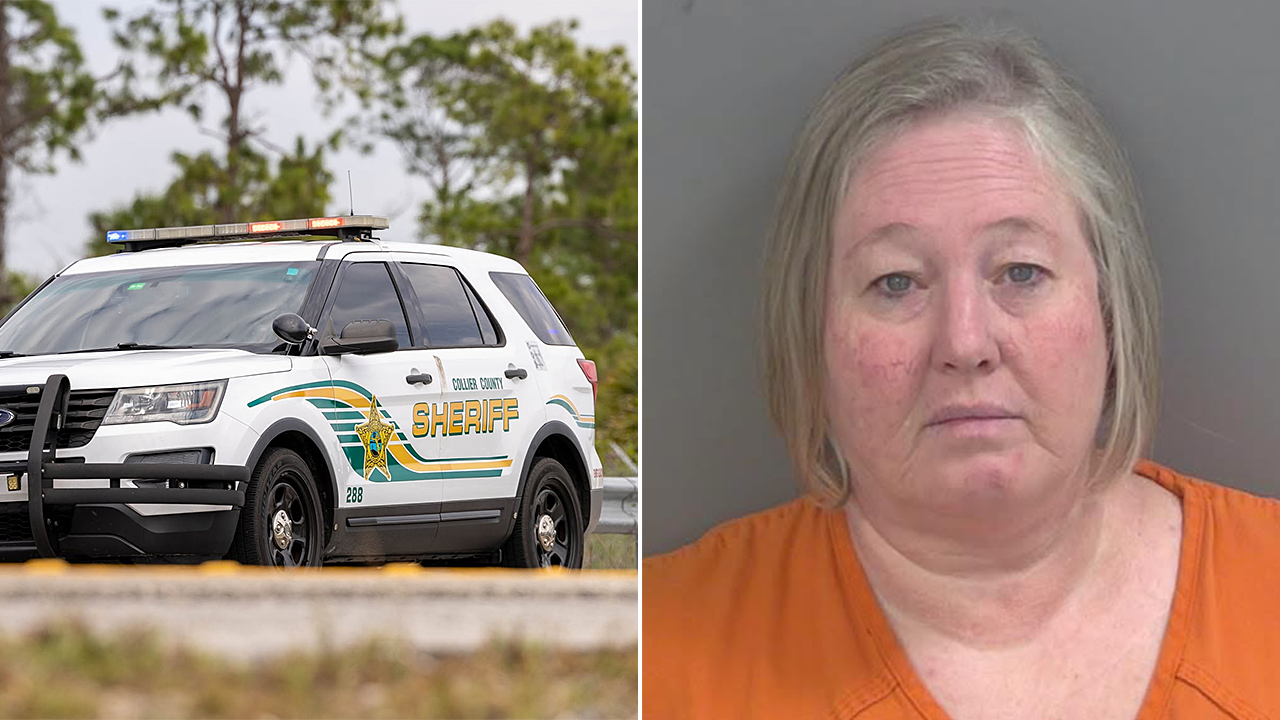
The elaborate facade finally crumbled under the weight of a meticulous investigation by the Collier County Sheriff’s Office. Detectives, guided by growing suspicions and inconsistencies, dug into her medical claims only to find a complete absence of any cancer diagnosis or treatment records. Confronted with the inevitability of her exposure, Jones turned herself in at the Naples Jail Center, where she was booked on a second-degree felony charge of grand theft between $20,000 and $100,000. The image of the beloved, ailing activities director was instantly replaced by the reality of a mugshot, leaving her victims to grapple with a dizzying mix of shock, confusion, and profound betrayal. The legal system will address the physical theft of the money, but it is the theft of the community’s peace of mind and safety that remains much harder to prosecute or rectify.
The institutional fallout from the arrest was swift, reflecting the deep societal outrage that accompanies such exploitative scams. GoFundMe quickly intervened, banning Jones from the platform permanently and removing all active fundraisers associated with her name. A spokesperson for the platform emphasized their zero-tolerance policy for those who seek to profit off human empathy, confirming that more than $41,000 was refunded to the defrauded donors through the company’s Giving Guarantee program. While the financial restitution provided a measure of relief, the emotional damage could not be so easily refunded. Collier County Sheriff Kevin Rambosk expressed the collective anger of the community, calling the case “appalling” because of how it preyed upon the purest elements of human kindness. He noted that such crimes do not just harm the immediate victims financially; they inflict a far more insidious wound by eroding the public trust required for legitimate charitable causes to survive, potentially starving real cancer patients of the life-saving generosity they desperately need.
In the end, the story of Maribeth Ellen Jones is a sobering cautionary tale about the vulnerability of human empathy in the modern age. The 238 residents of Naples who opened their hearts and wallets did nothing wrong; they acted out of the very best impulses of humanity—compassion, solidarity, and love. The true tragedy of this crime is the invisible scar it leaves on the community, creating a lingering hesitation where there once was only open-hearted kindness. As the neighborhood begins the slow process of healing, they are left to rebuild not just their lives, but their capacity to trust. They must find a way to reconcile the memory of the woman they tried to save with the reality of the person who exploited them, proving in the process that while a single scammer can temporarily damage a community’s faith, the collective capacity for kindness remains a force far too resilient to be permanently broken.