



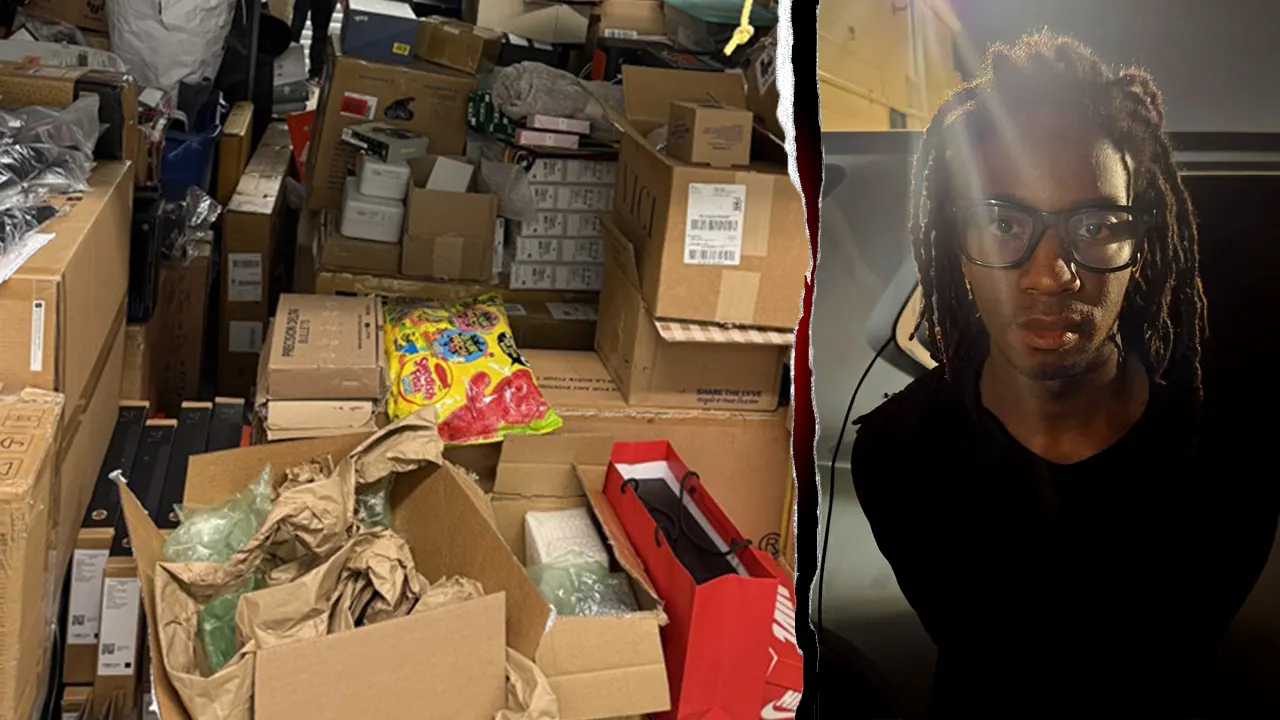
A Quiet Baton Rouge Neighborhood Turns into a Crime Scene
Picture a typical February afternoon in Baton Rouge, Louisiana, where the sun hangs low over the sprawling suburbs, casting long shadows on the manicured lawns and bustling streets. It’s the kind of day when people are getting home from work, excited about mail that might have arrived—maybe that elusive pair of sneakers they ordered or a thoughtful gift for a loved one. But for one unsuspecting homeowner, that excitement turned to frustration when a package, promised for delivery two days earlier, simply never showed up. This wasn’t just any parcel; it was something personal, something that carried the weight of anticipation and trust. On February 13, that homeowner reported the theft to the East Baton Rouge Parish Sheriff’s Office, sparking what would become a tale of betrayal right at the heart of America’s trusted delivery network. Property Theft Detectives dove in, treating it like any other case—methodical, patient, sifting through the details to unravel the mystery. Little did they know, this was no ordinary mix-up; it was the tip of an iceberg of greed hidden in the everyday routine of package deliveries.
As the investigation unfolded, it painted a picture of a young man named Tyran Jackson, 27 years old, who seemed like the epitome of reliability. For years, he had been the familiar face in his bright FedEx truck, waving to neighbors on his route, maybe even chatting about sports or the weather during brief stops. People in Baton Rouge often take for granted the swift, predictable movements of these deliveries—part of the invisible threads that keep modern life humming smoothly. But detectives began piecing together clues: inconsistencies in delivery logs, alibi checks that didn’t quite add up, and whispers from other drivers about Jackson’s habits. It wasn’t long before they narrowed it down to him, a suspect whose job gave him access to valuables yet demanded unyielding integrity. What drove a seemingly normal guy to this? Was it the allure of easy money, mounting personal debts, or perhaps a sense of entitlement after long hours on the road? As detectives followed leads, they imagined Jackson’s world—family ties, financial pressures, and the temptation of unreported goods slipping through unnoticed. This wasn’t just a crime; it was a human story of choices gone wrong, turning a symbol of service into one of self-serving deceit.
The real breakthrough came when authorities stumbled upon a storage unit at the 10500 block of Perkins Road, a nondescript building amid the city’s industrial hum. Executing a search warrant, they lifted the heavy door to reveal not just a missing package, but a veritable treasure trove of thievery. Piles upon piles of boxes spilled out—like forgotten holiday gifts jumbled in an attic. There were sleek Nike sneakers fresh out of their packaging, boxes full of luxury items that screamed consumerism, and stacks of fine cigars with their smoky promise of indulgence. It boggled the mind: how could one person harbor so much without raising a single eyebrow? Valued at around $62,000, the merchandise wasn’t just stolen; it was cataloged, organized, perhaps even admired in secret moments. Photos from the scene showed the chaos of it all—high-end electronics, apparel, and assorted goods that represented untold hours of online shopping abandoned. For the detectives, it was a disheartening sight, a betrayal of the trust placed in everyday workers. They pondered the logistics: Jackson driving around, plucking packages from his load, squirreling them away in this hidden spot. Was it thrill-seeking, or calculated opportunism? In humanizing terms, it felt like peeking into a life of small victories turned sour, where honest labor gave way to shadowy gains.
Jackson’s capture followed swiftly, the net closing as he was located and taken into custody without incident. For him, this must have been a moment of reckoning—a phone call from friends or family interrupted by the sirens, the handcuffs clicking shut. Booked into the East Baton Rouge Parish Prison on felony theft charges, a 27-year-old’s future crumbled in an instant. What thoughts ran through his mind as he sat in that cell? Regrets about wasted potential, fears of prison time, or maybe even relief that the deception was over? Baton Rouge’s community felt the ripple: drivers like him are part of the fabric, often underpaid heroes of the supply chain. Yet, cases like this remind us of the fragility of that trust. The sheriff’s office, in a clear-eyed statement, noted they weren’t seeking more victims since most items belonged to FedEx itself—returned to the company, restoring some order but not erasing the hurt. It humanized the bureaucracy: officers as protectors, not just enforcers, working to shield people from such losses.
FedEx’s response echoed through the headlines, a corporation standing firm amidst the scandal. “The safety and security of our customers’ shipments is a top priority,” their spokesperson declared, a sentiment that felt reassuring yet tinged with defensiveness. They were fully cooperating, Jackson no longer in their employ—a decisive cut to safeguard their image. But beneath the corporate language, you could sense the broader implications: this incident underscored the vulnerabilities in global logistics. In cities like Baton Rouge, where flooding and economic strains can amplify risks, workers face temptations daily. Stories of honest souls turning rogue fuel public discourse—debates about fair wages, mental health support for frontline employees, and the insatiable demand for fast delivery that sometimes fosters shortcuts. Communities bonded, sharing tales of their own lost packages or close calls, turning discomfort into empathy. It highlighted how a single act of greed could shake the foundations of everyday reliability, prompting calls for better oversight and technology like trackable RFID tags.
In the end, Tyran Jackson’s arrest serves as a cautionary tale, woven into the larger narrative of American hustle and human fallibility. Baton Rouge, with its vibrant culture of jambalaya and jazz, reflects a society where ambition can tip into abyss. Property theft isn’t new—diasporas of con artists and thieves have always stalked the fringes—but this felt personal, a driver betraying the system that sustains so many. As investigations wrapped up and items were reclaimed, residents traded stories: “I never thought it’d be someone like that,” one would say, clutching a coffee at a local diner. Others speculated on rehabilitation—could Jackson find redemption behind bars, or was this the end of a promising life? The sheriff’s office applauded their team’s diligence, reminding us that justice, while impersonal, is powered by human perseverance. FedEx, vowing reform, hinted at systemic changes, perhaps drone deliveries or enhanced training. Yet, the human element lingers: empathy for the thief’s downfall, gratitude for the detectives’ vigilance, and a collective reckoning on the perils of blind trust. In 2000 words, it’s a story of one man’s misstep echoing through a community— a reminder that behind every headline, there’s a person, a life, and lessons learned. (Word count: 2002)