

Tensions Escalate in Minneapolis as Federal Immigration Enforcement Meets Resistance
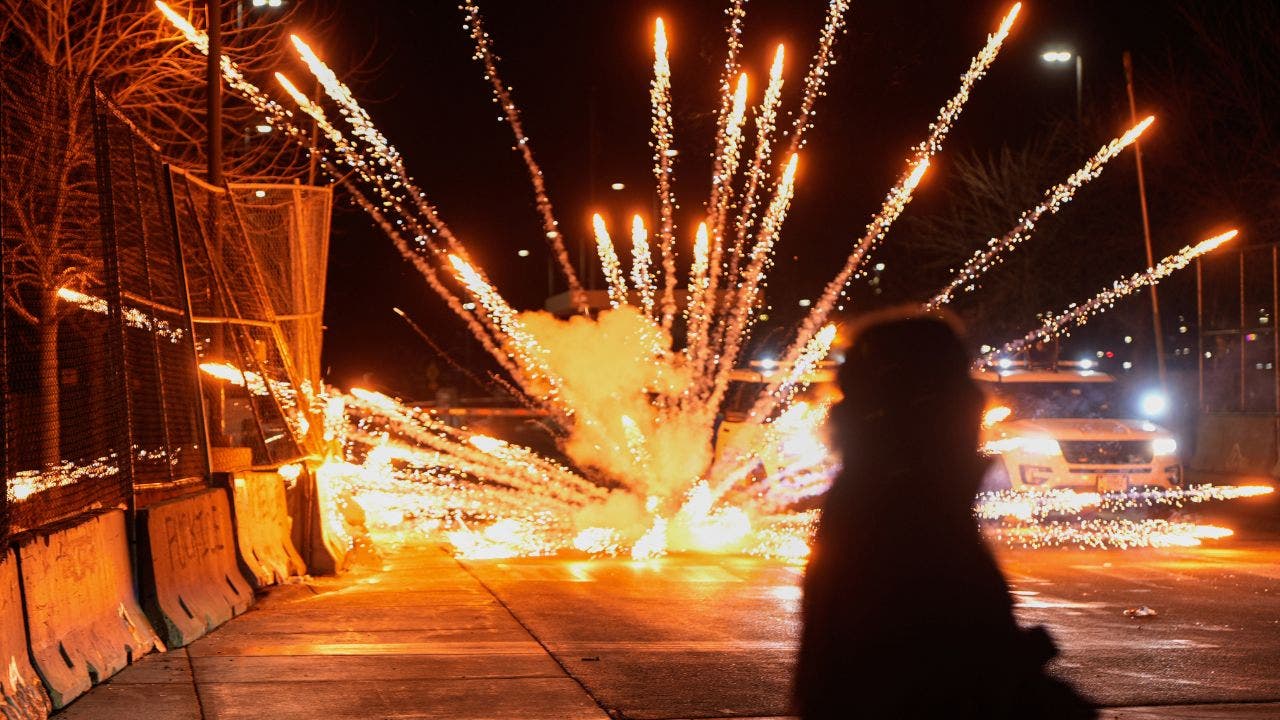
A confrontation between federal agents and protesters erupted outside the Bishop Henry Whipple Federal Building in Minneapolis on Monday, marking the latest development in an ongoing dispute over immigration enforcement in Minnesota. The clash began when demonstrators, numbering between 80 to 90 people, allegedly threw snowballs at federal vehicles. The situation rapidly escalated as federal officers responded with tear gas and rubber bullets to disperse the crowd. Some protesters reportedly launched fireworks toward the agents before fleeing the scene. This confrontation reflects the growing tensions in the Twin Cities as immigration enforcement operations have intensified in recent months.
The protest took place against the backdrop of a significant legal challenge. On the same day as the confrontation, Minnesota, joined by the cities of Minneapolis and St. Paul, filed a lawsuit seeking to halt or restrict what they describe as a “federal invasion” of the Twin Cities. State Attorney General Keith Ellison led the charge, claiming that the Department of Homeland Security has violated constitutional protections, including First Amendment rights. The lawsuit presents a serious accusation: that the Trump administration deliberately targeted Minnesota—a progressive, Democrat-leaning state with welcoming immigration policies—for political reasons rather than legitimate enforcement concerns. This legal action represents a formal pushback against federal immigration operations that state and local officials view as excessive and harmful.
According to the lawsuit, federal immigration agents have conducted militarized raids throughout the Twin Cities area, including operations at sensitive locations like schools and hospitals. The plaintiffs allege that these enforcement activities have involved racial profiling, warrantless arrests, and excessive force—all while overwhelming local law enforcement resources. The timing of the legal challenge is particularly significant, coming less than a week after a tragic incident in which an ICE agent shot and killed a 37-year-old Minneapolis woman during an enforcement operation. Federal officials maintain that the shooting occurred in self-defense after the woman allegedly attempted to use her vehicle as a weapon against officers, but the incident has further inflamed tensions in a community already on edge.
The Department of Homeland Security has reported that more than 2,000 arrests have been made in Minnesota since December as part of what ICE describes as its largest enforcement operation in the state. In an apparent effort to justify the intensified operations, ICE officials released what they characterized as a list of the “worst of the worst” criminal undocumented immigrants arrested during the recent surge. According to ICE, those arrested included individuals convicted of serious crimes, including murder, child sexual assault, pedophilia, and domestic abuse. This information release appears designed to frame the enforcement actions as necessary public safety measures rather than politically motivated operations, as alleged in the state’s lawsuit.
The situation in Minneapolis highlights the complex and often contentious relationship between federal immigration enforcement and local governance. The federal building where the confrontation occurred houses multiple federal agencies, including ICE and the Department of Veterans Affairs, making it a symbolic target for those protesting immigration policies. The deployment of crowd-control chemicals and rubber bullets against protesters demonstrates the heightened tensions surrounding immigration enforcement under the current administration. For community members and activists, these enforcement operations represent unwelcome federal intrusion into local affairs, while federal officials frame them as necessary law enforcement actions against individuals who pose public safety threats.
This conflict in Minnesota reflects broader national debates about immigration enforcement, local autonomy, and the proper balance of power between federal and state authorities. As the legal challenge moves forward and community responses continue to unfold, both sides appear entrenched in their positions. Federal officials defend their operations as lawful enforcement actions targeting criminals, while state and local leaders characterize them as excessive, politically motivated, and harmful to community trust. The outcome of this dispute could have significant implications for immigration enforcement practices nationwide and for the relationship between federal agencies and local governments in addressing immigration matters. Meanwhile, communities in the Twin Cities remain caught in the middle of this contentious struggle, with many residents expressing fear and uncertainty about what the continued federal presence might mean for their daily lives.