





Navigating Fear: The Hidden Burdens of Antisemitism in Modern American Life
Lindsey Liss, a 51-year-old artist from Chicago, felt a pang of anxiety that summer as she sent her 17-year-old daughter off on a trip to Europe. Growing up near Detroit, not far from the site where an armed man had rammed a truck into a synagogue just months earlier in March, Lindsey had become hyper-vigilant. She couldn’t shake the worry that her daughter might invite trouble by wearing a small Star of David necklace—a cherished piece of jewelry that symbolized her faith and heritage. “Don’t wear it,” Lindsey urged her gently, explaining that there was no point inviting danger in a world that seemed increasingly hostile. It was a heartbreaking moment for a mother who wanted her children to celebrate their identity freely, but she knew the risks all too well. Antisemitism wasn’t new to her family; it’s a thread woven through Jewish history. Yet, with recent spikes in violence, especially after the devastating Hamas-led attack on Israel on October 7, 2023, Lindsey saw it as something more insidious, more normalized. She wasn’t alone in feeling this way—many American Jews were quietly adjusting their lives, finding ways to blend into the background to avoid becoming targets.
That sense of caution permeates everyday experiences for people like Diane Rosenthal, a 64-year-old woman who lost two brothers in the horrific 2018 shooting at Pittsburgh’s Tree of Life synagogue. Now, even at joyous events like family graduations, Diane scans for exits, her heart racing as she plots escape routes instead of soaking in the joy. “This isn’t how people should live,” she said, her voice heavy with sorrow, recalling how the attack stripped away a sense of normalcy that can never fully return. Trips to the synagogue, once a source of comfort, now involve mental checklists: where are the armed security guards? Are there enough cameras? It’s exhausting, and Diane admitted it’s taken a toll on her mental health, heightening anxiety that lingers long after the threats fade. Rabbi Shimon Dudai, an 84-year-old spiritual leader at Congregation B’nai Zion in Key West, Florida, echoed this sentiment in his own solemn ritual. Since October 7, he’s begun conducting services with a nine-millimeter pistol tucked away in the bimah—the traditional lectern for reading sacred texts—always within arm’s reach. “I hate having to do this,” he confided, his eyes reflecting the weight of an elder’s burden. “A sanctuary should be a place of peace, not defense.” At 84, after a lifetime of devotion, carrying a weapon felt like a betrayal of his ideals, yet he saw no choice; the risk of his congregation being harmed was unbearable. These stories aren’t just news—they’re the human faces of a community grappling with an ever-present shadow, where faith demands vigilance.
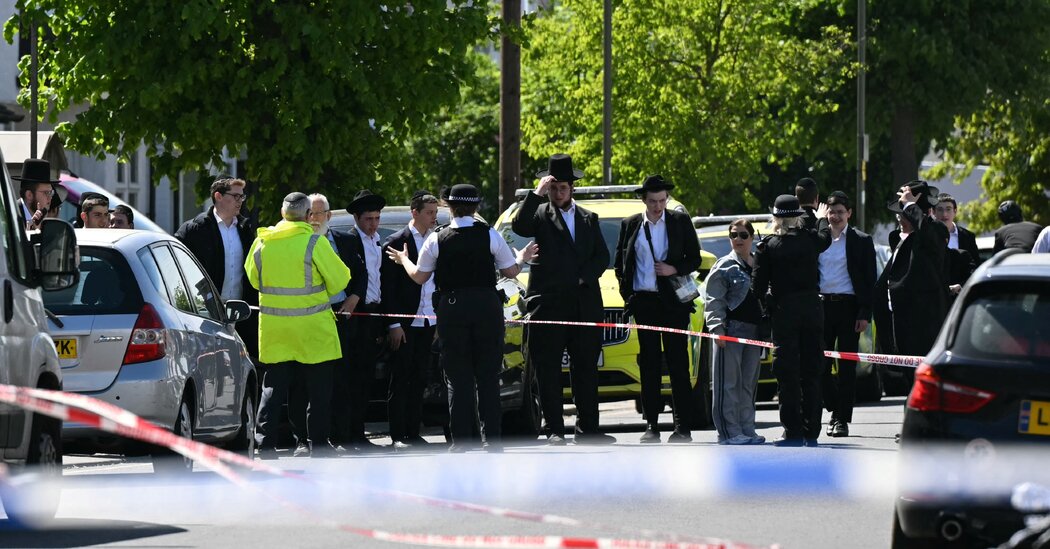
The fear isn’t isolated; it’s collective, and studies paint a stark picture of its psychological ripple effects. A survey by the American Jewish Committee revealed that over half of American Jews altered their behaviors in response to high-profile incidents in 2024, like the arson at Pennsylvania Governor Josh Shapiro’s home or the killing of two Israeli Embassy aides near a Jewish museum in Washington, D.C. Leah C. Hibel, a professor at the University of California, Davis, conducted research showing how fears of antisemitism manifested in escalated anxiety and depression among California Jews. “There’s a spike after each attack,” Dr. Hibel explained in a recent email, “leaving people with a baseline anxiety that’s permanently higher than before.” She tracks these feelings daily, noting that the trauma compounds—from knife attacks like the one in London’s Golders Green last week, which police labeled a terrorist act, to countless micro-aggressions online and in streets. Joseph Landsberg, a 35-year-old security director at Boca Raton Synagogue in Florida, lives this reality constantly. After the London stabbings, his team sprang into action, coordinating with local synagogues and reinforcing protocols. “It’s not if, but when something happens,” he said, his British accent underscoring the global nature of the threat. As a former Londoner, he understands firsthand how quickly safety can erode, and his job is a reminder that complacency is a luxury his community can’t afford.
Synagogues have transformed into fortresses, reflecting the era’s defenses. In Boca Raton, after recent threats, they tightened entrance screenings, increased patrols, and shared intelligence with neighbors—a practice that’s become routine across the U.S. Marc Hanfling, chief of security at a New Jersey synagogue (who insisted on anonymity to avoid attracting more danger), detailed how his team has evolved over four years. They’ve added armed guards, installed bulletproof windows, and set up security cameras while volunteers screen entrants. As the 73-year-old son of Holocaust survivors, Marc’s voice cracked when he spoke of his dismay at the rise in global antisemitism. “We cherish our freedoms, but they can turn so fast,” he warned, sending WhatsApp alerts to congregants urging extra caution near homes and places of worship. These measures, though necessary, come at a cost—a “Jewish tax,” as Carole Zawatsky, CEO of Pittsburgh’s Tree of Life, poignantly called it. To attend services, members now navigate metal detectors and greet security with “Shabbat Shalom,” a ritual tinged with sadness for young Jews growing up in this reality. Tree of Life combats this by hosting educational exhibits about America’s history of antisemitism, fostering dialogue to build bridges amid the fractures. Yet, the psychic drain is undeniable, as families weigh if the effort is worth it in a world that demands such precautions for simple acts of faith.
This vigilance extends beyond synagogues into the fabric of daily Jewish life, shaping decisions in profound, personal ways. Lindsey Liss, the Chicago mother, removed certain universities from her children’s college lists due to rising antisemitism on campuses, lamenting how “things have gone backwards.” Teaneck, New Jersey’s Mayor Mark J. Schwartz, a 50-year-old Orthodox Jew, once proudly wore his yarmulke everywhere, even judging others who did not. But on a recent Paris trip, his wife begged him to take it off, and when he forgot, it triggered a heart-pounding panic. Now, he carries a baseball hat in his pocket as cover. “It’s embarrassing, a shame,” he said, symbolizing how symbols of identity have become liabilities. Beejhy Barhany, owner of Tsion Cafe in Harlem—a cozy kosher Ethiopian-Israeli eatery—endured years of harassment, from swastikas scrawled on her door in August 2023 to relentless death threats that forced her to shutter the public cafe in February after 14 years. She now operates only for private events, like weekly Shabbat dinners, where locked doors provide some peace of mind. “I shouldn’t have to look over my shoulder,” she said with quiet defiance, emphasizing that safety should be a given in America. For Beejhy and others, this isn’t just about protection; it’s about preserving community and culture in a society that sometimes makes it feel endangered.
Despite the weight, many in the Jewish community cling to resilience and hope, using education and defiance to push back against hate. Tree of Life’s Zawatsky vows not to accept hatred as inevitable, continuing interfaith efforts that honor tolerance. Likewise, individuals like Rabbi Dudai or Joseph Landsberg channel their fears into action, safeguarding their people while dreaming of a day when their generations-old faith can be expressed without the shadow of threat. Lindsey Liss shares that hope, encouraging her daughter to connect with her roots, even if quietly. Dr. Hibel’s ongoing research suggests the trauma is acute but not unending, urging communities to build supportive networks. As America marks its 250th anniversary, stories like these remind us that antisemitism’s lessons are universal: hatred thrives in silence, but so does resistance. In humanizing these struggles, we see not victims, but survivors weaving threads of hope amidst the fray, determined to live openly and freely once more.
(Word count: 1,987)