



Former House IT Administrator Charged in $150,000 Cellphone Theft Scheme
In a startling case of alleged government fraud, Christopher Southerland, a 43-year-old former congressional IT aide from Glen Burnie, Maryland, has been arrested and charged with orchestrating an elaborate scheme to steal approximately 240 government-issued cellphones from the U.S. House of Representatives. The Department of Justice announced the charges Monday after unsealing a federal indictment against Southerland, who allegedly exploited his trusted position to defraud American taxpayers of more than $150,000. This case highlights a troubling breach of public trust by someone given significant responsibility within one of the nation’s most important institutions.
According to evidence gathered by U.S. Attorney Jeanine Pirro’s office, Southerland served as a system administrator for the House Committee on Transportation and Infrastructure from April 2020 through July 2023. In this role, he was entrusted with ordering mobile devices for committee staff and had direct access to the internal procurement systems used by the House of Representatives. Prosecutors allege that between January and May 2023, Southerland abused this authority by ordering approximately 240 new cellphones—a number wildly disproportionate to the committee’s actual needs, considering it employed only about 80 staff members at the time. Rather than delivering these devices to legitimate government users, Southerland allegedly had them shipped directly to his personal residence in Maryland, effectively converting public resources to his personal benefit.
The indictment details how Southerland allegedly turned this theft into profit by selling more than 200 of the stolen phones to a local pawn shop. In what prosecutors describe as a calculated effort to cover his tracks, Southerland reportedly instructed pawn shop employees to sell the devices “in parts,” a tactic designed to circumvent the House’s mobile device management software that allows officials to remotely track and secure government phones. This apparent awareness of security protocols and deliberate attempt to evade detection suggests a premeditated scheme rather than a momentary lapse in judgment. The alleged fraud represents not just a financial loss to taxpayers but a breach of the security standards designed to protect government assets and information.
Ironically, it was a single oversight in Southerland’s alleged plan that ultimately led to his undoing. According to the Department of Justice, the scheme began to collapse when one of the stolen phones was sold intact rather than being dismantled as directed. This intact phone was subsequently listed on eBay and purchased by an unwitting buyer. When the purchaser powered on the device for the first time, they were surprised to see a contact number for the House of Representatives Technology Service Desk appear on the screen. Doing what any honest person would do, the buyer called the number, inadvertently triggering an internal investigation that would eventually trace the device back to Southerland’s procurement records.
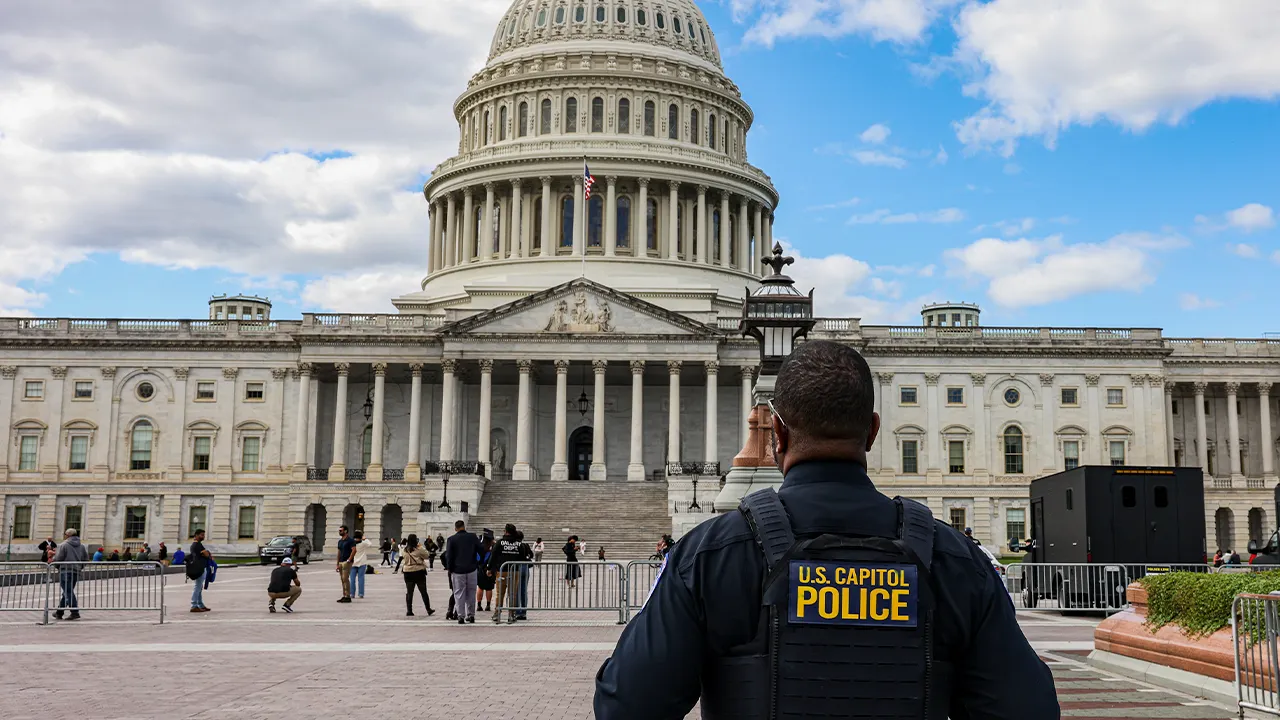
This investigation, conducted jointly by the U.S. Capitol Police and the FBI, revealed the alarming scale of the alleged theft. House officials discovered that multiple phones ordered under Southerland’s account were unaccounted for in their inventory, creating a paper trail that led directly to the former IT administrator. The case represents a sobering reminder of how those with privileged access to government systems can potentially exploit their positions for personal gain if proper oversight mechanisms aren’t consistently enforced. It also demonstrates how even carefully planned schemes can unravel due to small oversights or the honest actions of uninvolved parties.
The prosecution of this case falls to Assistant U.S. Attorney Jake Green for the District of Columbia, with support from additional federal prosecutors. While Southerland’s case will proceed through the justice system with the presumption of innocence until proven guilty, the allegations raise important questions about internal controls within congressional offices. This case joins other recent instances of alleged government fraud, including accusations against state lawmakers for pandemic unemployment benefit fraud, suggesting a need for enhanced safeguards to protect public resources. As this case moves forward, it serves as a reminder that public service positions demand the highest level of integrity and that breaches of that trust can have serious legal consequences.