



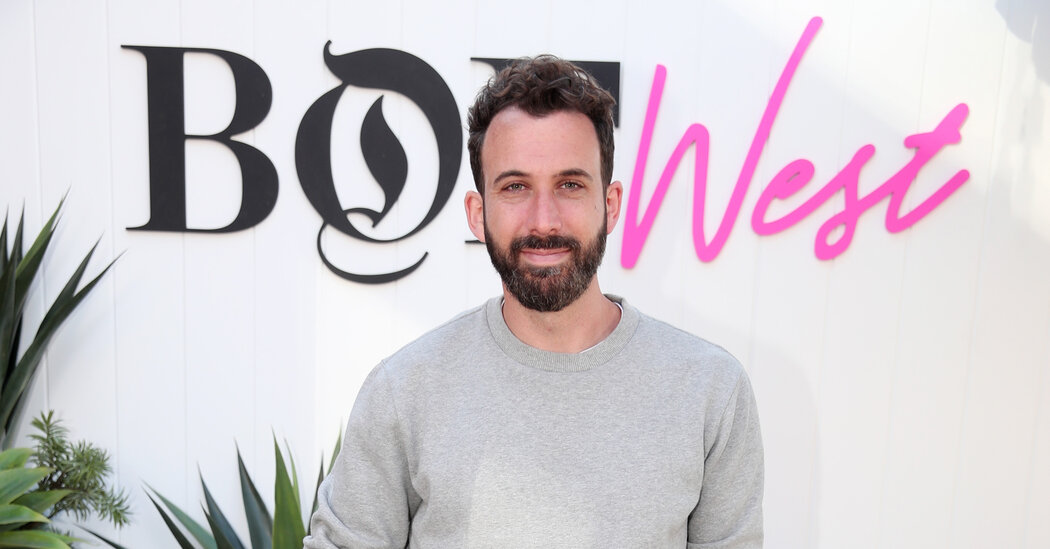
When Michael Preysman, the co-founder of the minimalist apparel brand Everlane, first heard the rumors that his brainchild was being acquired by the ultra-fast-fashion behemoth Shein, the shock was profound enough to make him freeze. For a brand built on the revolutionary gospel of “radical transparency”—demystifying the fashion supply chain by showing consumers the exact cost of buttons, zippers, labor, and transport—to be swallowed up by a giant notorious for its opaque practices and rapid-fire production cycle felt like an existential betrayal. The transaction was orchestrated by L Catterton, a private equity firm backed by the luxury conglomerate LVMH, which held a majority stake in Everlane and decided to quietly offload its investment. To Preysman, who had stepped down as CEO in 2021 after growing disagreements over the brand’s direction, the sale represented the absolute antithesis of everything he had spent a decade building. Standing in stark contrast to his original vision of conscious, enduring fashion, the acquisition served as a cold reminder of what happens when the financial interests of external stakeholders ultimately eclipse a founder’s core moral compass.
Preysman’s grief and frustration are far from unique in the volatile landscape of modern retail; indeed, they represent a painful rite of passage for many visionary founders who eventually lose custody of their creations. According to data from the Exit Planning Institute, a staggering 70 percent of business owners look back on the sale of their companies with deep regret. This phenomenon of “founder’s lament” stretches across industries, echoing the historic heartbreak of Anita Roddick after she sold her natural cosmetics empire, The Body Shop, to L’Oréal, or the public battles of Chip Wilson, who recently waged a fierce campaign against Lululemon’s board for allegedly stripping the athleisure giant of its “soul.” These stories expose a systemic trap: the very venture capital and private equity cash required to scale a disruptive business often carries hidden clauses that slowly dilute its foundational ethics. When growth becomes the only metric of success, the intangible values that originally captured the public’s imagination are frequently treated as expendable liabilities, liquidated at the first sign of a profitable exit.
The path that led Everlane to this crossroads began as a bright, idealistic campaign in 2010, when Preysman and software developer Jesse Farmer sought to disrupt the opaque fashion market. They captivated a generation of conscious consumers by lifting the veil on factory conditions and outlining the true markup of retail shirts and trousers, establishing a cult following of loyal pragmatists. However, the operational realities of the retail landscape proved notoriously unforgiving, culminating in the economic devastation of the 2020 COVID-19 pandemic. Faced with store closures and severe cash flow bottlenecks, Preysman made the agonizing decision to accept a lifeline investment from L Catterton—a choice he now reflects on with a warning that taking institutional money is as permanent and irreversible as having children. While the capital kept the lights on, it fundamentally shifted the balance of power, transferring control to high-stakes investors whose ultimate allegiance was not to the cause of ethical manufacturing, but to securing a profitable return on investment, setting the stage for the eventual sale to Shein.
For Everlane’s dedicated customer base, the transition to Shein’s portfolio is a bitter pill to swallow, given the Chinese-founded, Singapore-based giant’s history of controversies ranging from labor exploitation allegations to intellectual property battles. This ethical dissonance has triggered waves of disappointment online, creating a public relations nightmare for Everlane’s current CEO, Alfred Chang, who has been tasked with managing the fallout. In a somber internal memo, Chang admitted to staff that watching the company’s name dragged through critical media cycles was painful, but insisted that “Everlane remains Everlane” and would continue to operate independently with its green commitments intact. Yet, for many former employees and loyal consumers, these corporate platitudes ring hollow; they argue that no matter how much autonomy the brand is promised, its profits will now ultimately enrich a fast-fashion machine that thrives on the very hyper-consumerism Everlane once explicitly vowed to combat.
Instead of retreating into defeated silence, the sudden news of the Shein deal acted as a powerful catalyst for Preysman, prompting him to sit in a quiet garden and map out a clean break from the traditional corporate machine. Realizing that the fatal flaw of his past endeavor was the reliance on capital that demanded a dramatic exit, he resolved that his next venture would operate under entirely different rules. This week, he launched a teaser website for a new apparel initiative, promising supporters a project that retains the ethical standards of Everlane but with a modern, wiser perspective. Crucially, Preysman has committed to self-funding this new business, actively shunning the lure of venture capital funds and private equity firms to ensure that he never again has to compromise his values for the sake of outside shareholders.
This upcoming venture, which remains intentionally nameless for now, represents a deliberate rejection of the hyper-connected, growth-at-all-costs ethos that dominates the modern startup scene. Preysman envisions a quieter, more intimate brand that completely bypasses the clamor of TikTok algorithms and artificial intelligence, focusing instead on long-term craftsmanship and patient, relationship-driven growth. By exploring alternative governance models such as perpetual trusts, he hopes to construct an unbreakable corporate shield that prevents the business from ever being bought out or commodified. “There’s no exit in this,” Preysman asserts, framing this new chapter not as a race toward an IPO or a multi-million-dollar acquisition, but as a lifetime commitment to creating sustainable goods, proving that the true value of a brand lies not in its ultimate price tag, but in its refusal to be sold.