

DOJ’s Decision Not to Pursue Civil Rights Investigation in Minneapolis ICE Shooting Sparks Controversy
In a decision that marks a significant shift from past administrations, the Department of Justice (DOJ) announced Tuesday it will not pursue a criminal civil rights investigation into the killing of Renee Good by a U.S. Immigration and Customs Enforcement (ICE) officer in Minneapolis. Deputy Attorney General Todd Blanche stated plainly, “There is currently no basis for a criminal civil rights investigation,” though he provided no details on how the DOJ reached this conclusion. This approach stands in contrast to previous administrations, which typically initiated Justice Department civil rights reviews promptly following fatal encounters with law enforcement, even in cases where criminal charges seemed unlikely. Reports indicate that lawyers within the Civil Rights Division were informed last week they would not participate in the investigation at this time, raising questions about the thoroughness of the federal review.
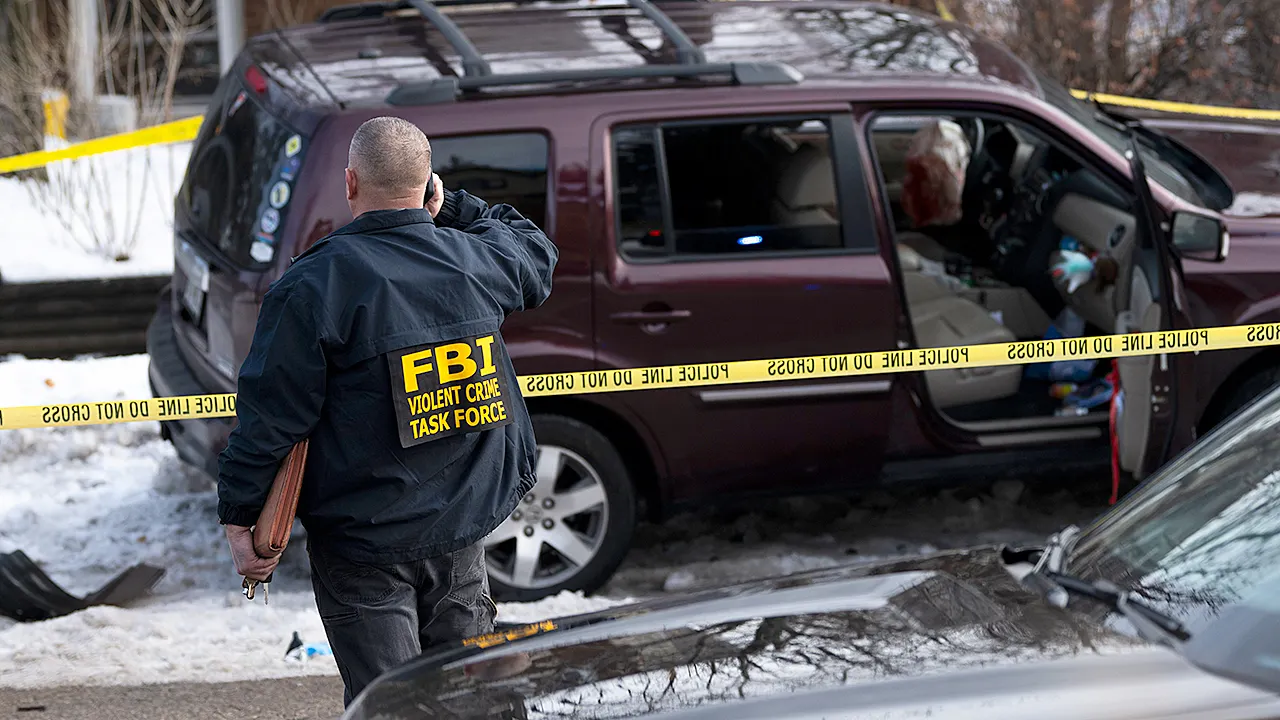
The circumstances surrounding Good’s death have become a flashpoint of controversy, with federal officials characterizing the incident as self-defense after Good allegedly pulled forward toward the ICE officer. Some federal authorities have gone further, describing the driver’s actions as “an act of domestic terrorism.” However, this characterization has been met with skepticism from local officials and community members. Minnesota officials have expressed frustration, claiming federal authorities blocked state investigators from accessing evidence and asserting that the state lacks jurisdiction to independently investigate the killing. A DOJ official explained that “As with any officer-involved shooting, each law enforcement agency has an internal investigation protocol, including DHS. As such, ICE OPR has its own investigation underway. This runs parallel to any FBI investigation.” This procedural explanation has done little to quell concerns about the federal government’s handling of the case.
The DOJ’s decision has apparently triggered significant repercussions within the department itself, with reports of multiple resignations among federal prosecutors involved in the case. According to sources familiar with the situation, approximately half a dozen prosecutors in the Minnesota U.S. attorney’s office have resigned in recent days. Several supervisors in the criminal section of the Justice Department’s Civil Rights Division in Washington have also reportedly stepped down. Among the high-profile departures was First Assistant U.S. Attorney Joseph Thompson, who had been overseeing major fraud prosecutions in Minnesota. These resignations suggest serious internal discord over the handling of this case and potentially other policy directions under the current administration.
Minneapolis Mayor Jacob Frey did not mince words in his criticism of the situation, writing on social media: “These prosecutors are heroes, and the people pushing to prosecute Renee’s widow are monsters. In their pursuit of cruelty, the administration also just set back the work of fighting fraud by pushing out the prosecutors who were working on those cases.” The mayor’s strong language highlights the emotional and political dimensions of this case, which has become emblematic of broader tensions between local and federal authorities, as well as differing approaches to accountability in law enforcement shootings. The mayor’s reference to prosecuting Good’s widow suggests additional controversies surrounding how family members are being treated in the aftermath of the shooting.
These resignations appear to be part of a larger exodus of career Justice Department attorneys amid concerns about political pressure and shifting enforcement priorities under the Trump administration. The pattern of departures raises questions about morale and independence within the DOJ, particularly in politically sensitive cases involving potential civil rights violations. Career attorneys, who typically remain through changes in administration to provide continuity and institutional knowledge, may feel their professional judgment is being overridden by political considerations. This dynamic threatens to undermine the credibility of the Justice Department as an independent institution committed to equal justice under law, regardless of who occupies the White House.
The Justice Department has denied any connection between the resignations and the Minnesota case, claiming the prosecutors had requested to participate in an early retirement program well before the events surrounding the shooting. However, the timing of these departures, coupled with the unusual decision not to involve the Civil Rights Division in a high-profile shooting investigation, has fueled skepticism about this explanation. As the situation continues to develop, it highlights fundamental questions about federal oversight of law enforcement actions, the independence of career prosecutors, and the relationship between federal and local authorities in sensitive cases. The outcome of this case may have lasting implications for how the Justice Department approaches civil rights investigations and police accountability under the current administration.